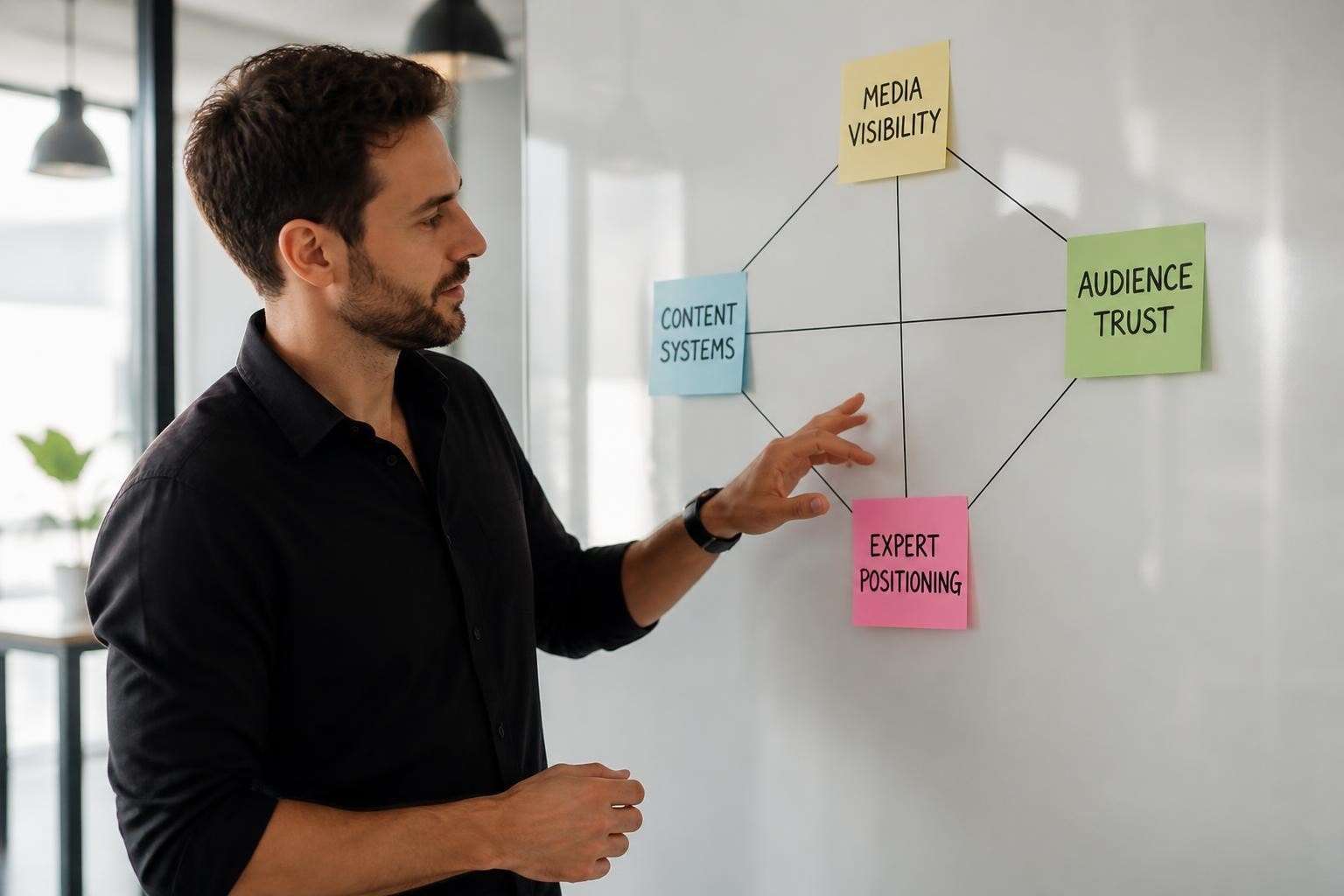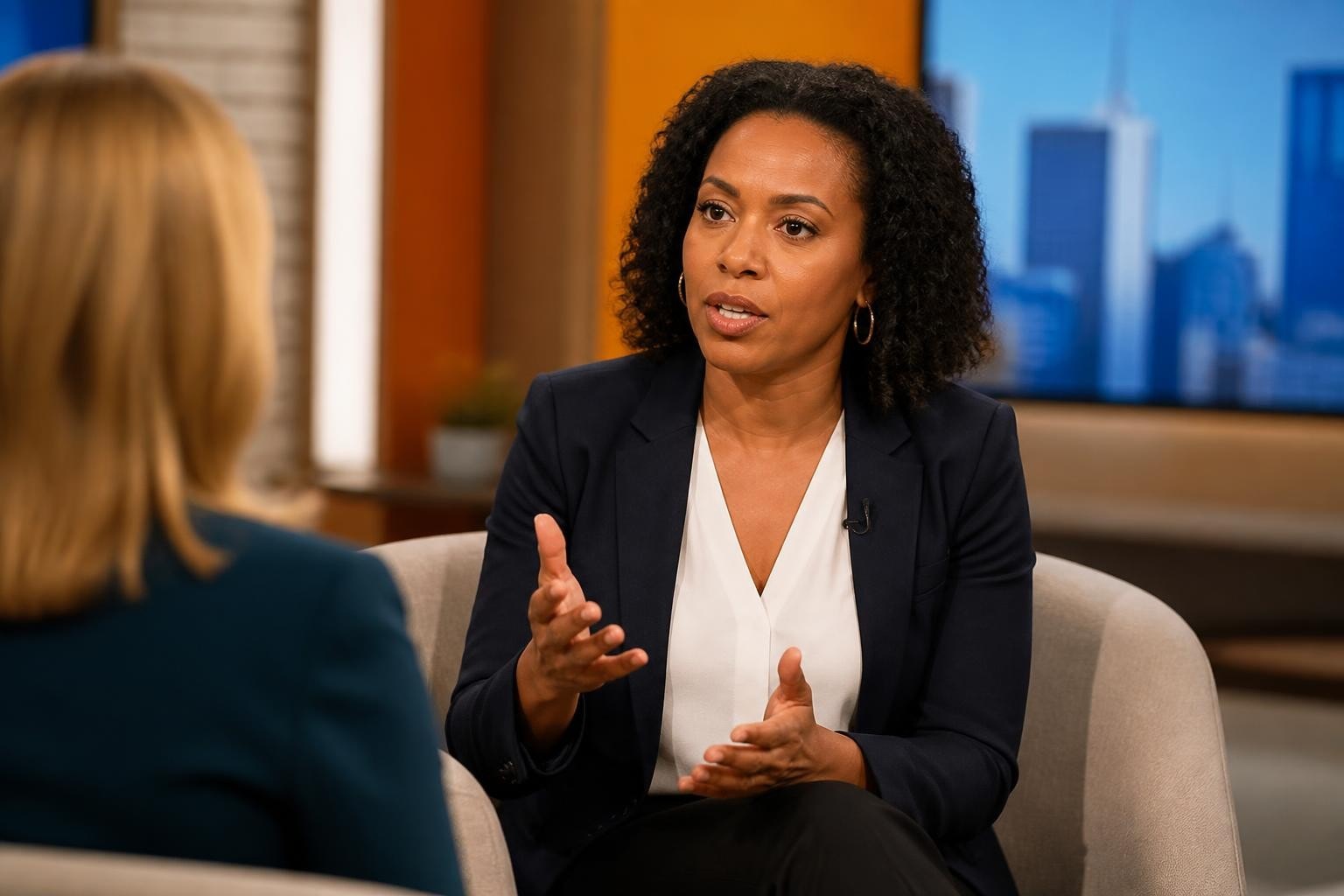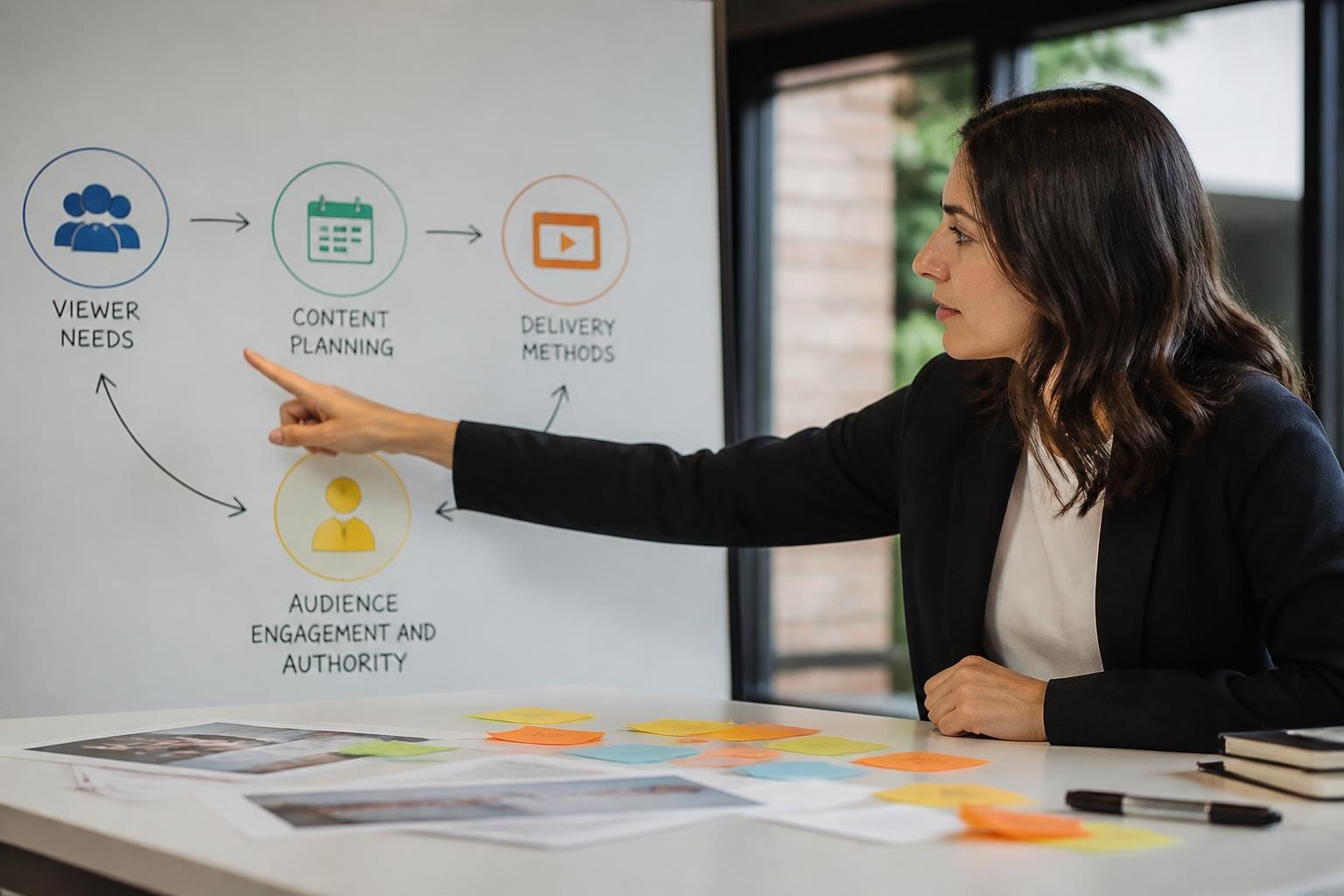
The landscape of television broadcasting continues to evolve at an unprecedented pace, yet tv networks remain one of the most powerful platforms for establishing credibility and authority in any industry. While digital platforms have transformed how audiences consume content, the psychological impact of appearing on established tv networks creates an unmatched halo effect that positions experts, authors, and CEOs as recognized leaders. Understanding how to leverage these platforms strategically separates those who build lasting authority from those who remain invisible in crowded markets.
The Current State of Television Networks
Traditional broadcasting faces significant transformation as viewing habits shift and technology evolves. The industry has experienced substantial changes, with linear TV networks losing 35% of their reach from 2014 to 2024, marking a dramatic shift in how audiences engage with content. This decline doesn't diminish the authority-building power of tv networks but rather emphasizes the importance of strategic positioning for those seeking media visibility.
Despite these industry shifts, tv networks maintain several distinct advantages that digital-only platforms struggle to replicate. The rigorous vetting process required to appear on established networks creates an instant credibility marker. When potential clients or readers see an expert featured on national or regional broadcasts, the network's reputation transfers directly to that individual.
Why TV Networks Still Matter for Authority Building
The psychology of television credibility operates differently than digital media. Audiences inherently trust broadcast placements more than social media posts or self-published content because they understand the screening process involved. This trust translates into tangible business outcomes.
Key benefits of tv network appearances include:
- Immediate credibility transfer from established broadcast brands
- Third-party validation that self-promotion cannot achieve
- Multi-generational audience reach spanning demographics
- Perpetual content repurposing opportunities across platforms
- Premium positioning against competitors who lack media presence
The broadcast selection process itself creates value. Producers evaluate expertise, presentation skills, and content relevance before extending interview opportunities. This curation process signals to audiences that the featured expert has been professionally vetted, creating a credibility gap that competitors without media presence cannot easily bridge.
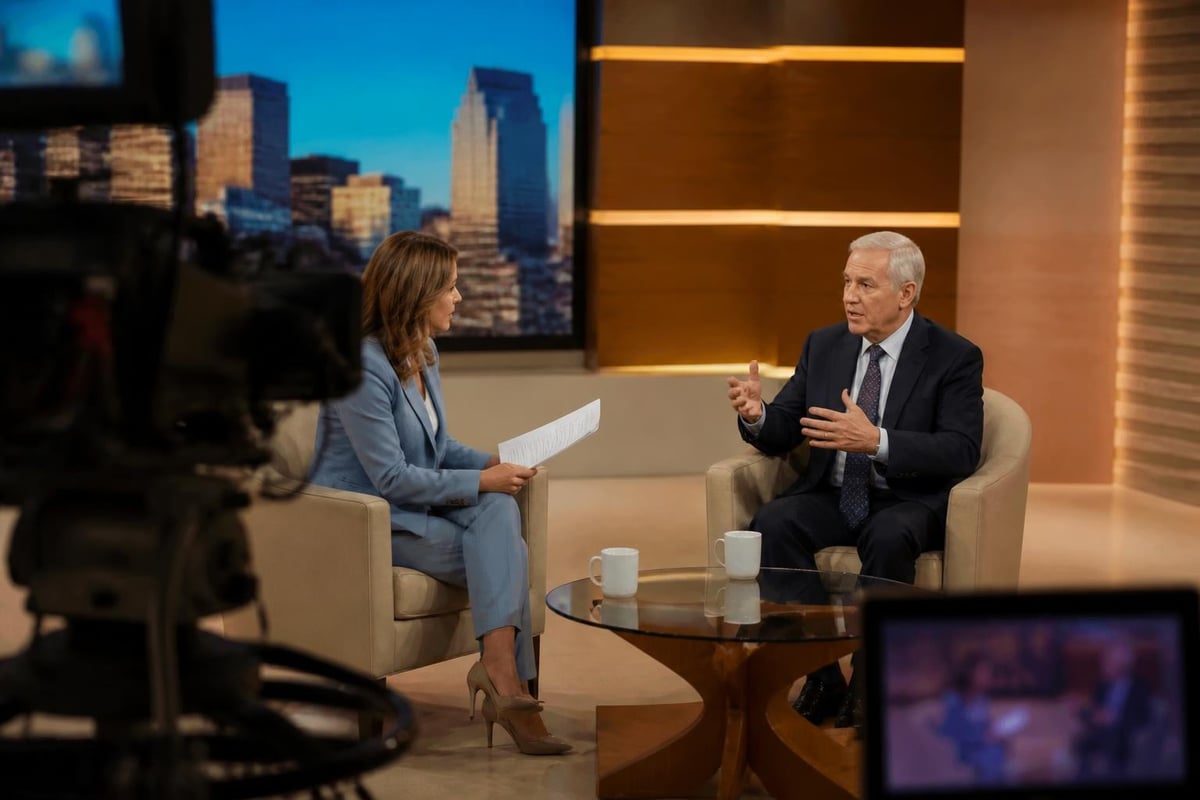
Strategic Positioning for TV Network Success
Securing placements on tv networks requires understanding producer psychology and market positioning. Producers don't seek generic experts; they need authorities who can deliver compelling content their audiences will value. This distinction separates those who receive consistent media opportunities from those who struggle to break through.
Producer-Ready Positioning Framework
Television networks operate under constant deadline pressure, requiring guests who can deliver value without extensive preparation or hand-holding. Experts must demonstrate clear, actionable insights that serve the network's audience rather than promoting their own services.
The positioning framework includes these essential components:
- Specific authority niche – Broad generalists rarely book appearances
- Timely relevance – Connection to current events or trending topics
- Audience benefit – Clear takeaways that serve viewers
- Performance capability – Ability to deliver concise, engaging content on camera
- Professional presentation – Broadcast-quality appearance and communication
| Positioning Element | Weak Example | Strong Example |
|---|---|---|
| Authority Claim | "Business consultant" | "Supply chain crisis specialist" |
| Topic Relevance | "General business tips" | "Three recession-proof revenue strategies" |
| Audience Value | "Why my book matters" | "How to protect retirement savings in volatility" |
| Message Delivery | Rambling explanations | 90-second actionable frameworks |
Building producer-ready positioning requires reverse-engineering what networks need rather than pushing what experts want to share. This audience-first approach dramatically increases booking success rates.
Leveraging Industry Transformation
While pay-TV subscriptions have declined for nine consecutive years, this shift creates opportunities for authorities who understand the changing landscape. Networks face increased pressure to deliver compelling content that retains viewers and attracts premium advertisers, making expert guests with proven value propositions more valuable than ever.
The transformation of tv networks from pure distribution platforms to multi-channel content engines means appearances generate compound value. A single broadcast segment becomes:
- Broadcast content reaching live audiences
- On-demand viewing through network apps and websites
- Social media clips shared across platform channels
- Embedded content on the expert's website and marketing materials
- Authority assets for book proposals, speaking engagements, and client acquisition
This content multiplication effect transforms single appearances into perpetual credibility engines that work continuously in the background of business development efforts.
The Digital-Broadcast Integration Strategy
Modern authority building requires integrating tv network appearances with digital platforms for maximum impact. The credibility earned through broadcast placements amplifies all other marketing efforts.
Strategic integration includes:
- Pre-appearance promotion building anticipation across email and social channels
- Live-event engagement driving audience participation during broadcasts
- Post-appearance repurposing extending content life and reach
- Authority positioning using media credentials in all marketing materials
- Lead generation systems capturing interest from broadcast exposure
Building Sustainable Media Relationships
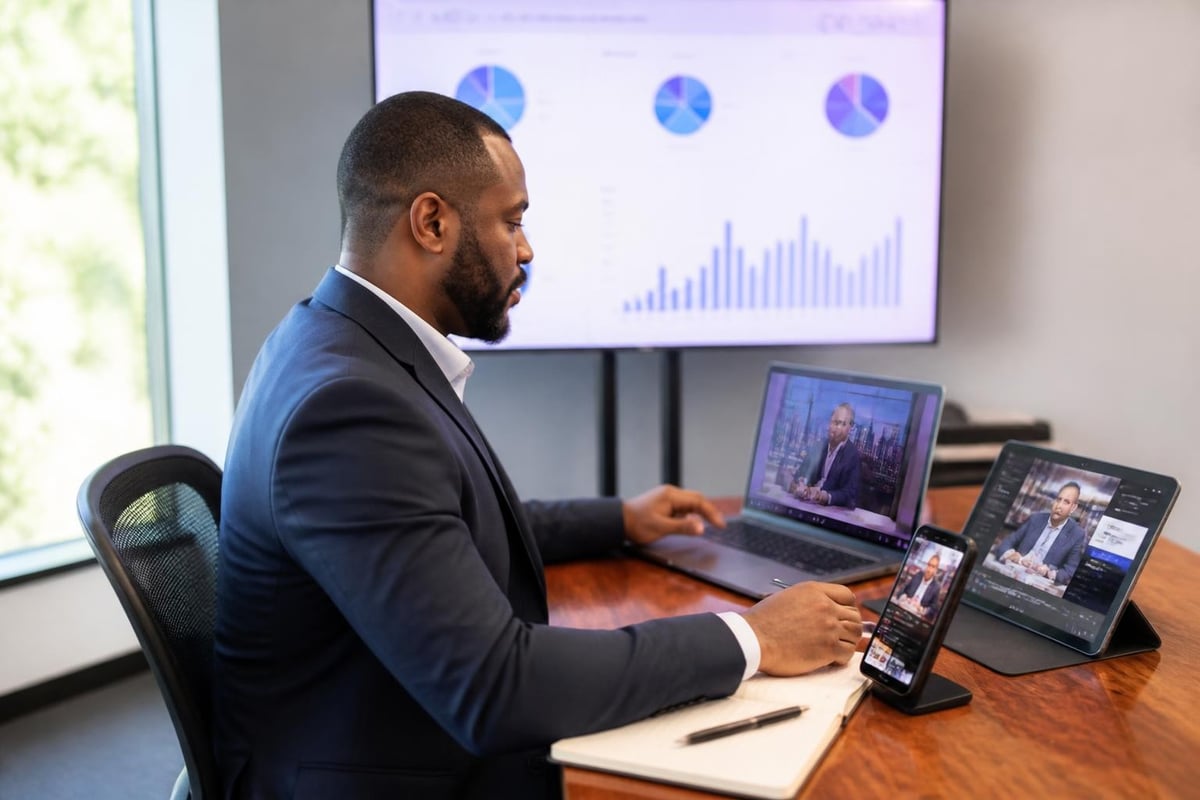
One-time tv network appearances provide value, but sustainable authority requires ongoing media presence. The difference between a single guest spot and recognized expert status lies in relationship building and consistent value delivery.
Producers remember guests who make their jobs easier. Reliable experts who deliver compelling content, arrive prepared, and respect time constraints receive repeat invitations. This reliability transforms into valuable media relationships that generate opportunities without constant pitching.
The Relationship Development Process
Building productive relationships with tv networks follows a predictable pattern that separates those who achieve media regularity from those who struggle for each appearance.
Initial Contact Phase:
- Research specific shows and producer needs
- Demonstrate topic expertise with relevant credentials
- Provide clear, actionable segment ideas
- Show understanding of audience demographics
Value Delivery Phase:
- Exceed expectations on first appearance
- Deliver prepared, concise content
- Make production seamless through professionalism
- Provide follow-up resources when appropriate
Relationship Maintenance Phase:
- Stay visible without being pushy
- Share relevant story ideas proactively
- Celebrate show milestones and achievements
- Connect producers with other quality guests
The cumulative effect of these relationship-building efforts creates a network of media contacts who view the expert as a trusted resource rather than another pitch in their inbox.
Performance Excellence on Camera
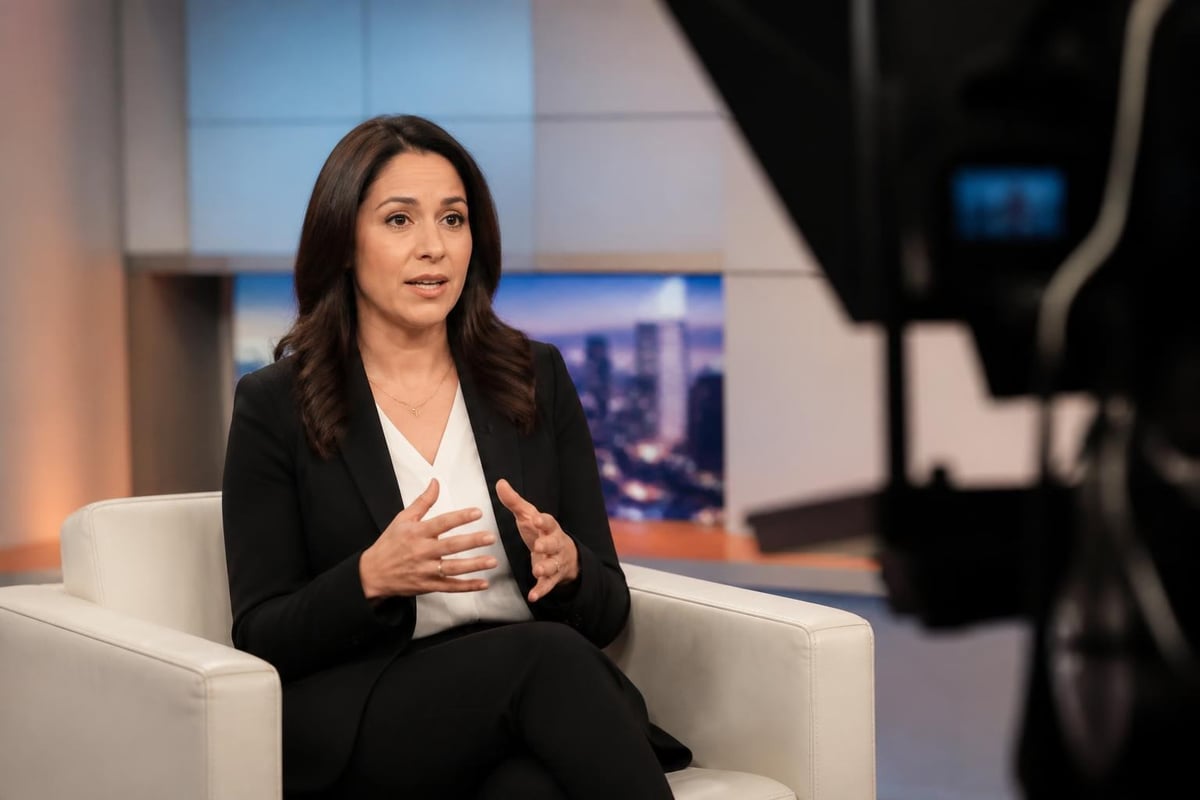
Technical expertise alone doesn't guarantee successful tv network appearances. On-camera performance separates forgettable segments from memorable authority-building moments. Audiences remember how experts make them feel more than specific information shared, making presentation skills as important as content knowledge.
Professional broadcast performance requires specific skill development:
- Energy calibration matching the show's tone and pacing
- Message distillation delivering complex ideas in digestible segments
- Visual engagement maintaining appropriate eye contact and body language
- Conversational delivery avoiding academic or corporate-speak
- Adaptability responding naturally to unexpected questions or direction changes
| Performance Aspect | Amateur Approach | Professional Standard |
|---|---|---|
| Message Length | Detailed explanations | 30-90 second sound bites |
| Body Language | Stiff, uncertain movements | Natural, confident presence |
| Eye Contact | Reading notes, looking down | Engaging host and camera |
| Energy Level | Monotone delivery | Animated, enthusiastic tone |
| Preparation | Winging it | Pre-planned frameworks |
Many experts assume their subject knowledge automatically translates to effective television communication. This assumption leads to missed opportunities and disappointing appearances that fail to generate business results.
Market Differentiation Through Media Visibility
In crowded professional markets, tv network appearances create immediate differentiation. When two experts offer similar services, the one with broadcast credentials wins premium clients more consistently. This credibility gap justifies higher fees and attracts better opportunities.
The authority positioning effect compounds over time. Each appearance reinforces expert status, making subsequent bookings easier to secure. This virtuous cycle separates market leaders from competitors who rely solely on digital marketing or traditional networking.
Measuring Media Impact on Business Growth
Television appearances generate both direct and indirect business impact. Direct conversion happens when viewers contact the expert immediately after seeing them on air. Indirect impact accumulates as media credentials enhance all marketing materials and client interactions.
Measuring this impact requires tracking:
- Immediate response metrics – Website traffic, inquiry volume, social engagement
- Credential utilization – How often media mentions appear in sales conversations
- Premium positioning – Fee increases justified by authority status
- Opportunity quality – Caliber of speaking engagements and partnerships
- Long-term brand equity – Overall market perception and thought leadership status
Research shows that local TV has lost more than half of its share of media spending since 2017, yet individual experts leveraging these platforms for authority building see consistent returns because they're not selling advertising but rather building credibility assets.
Content Strategy for Consistent Bookings
Securing regular appearances on tv networks requires a proactive content strategy rather than reactive pitching. Experts who develop systematic approaches to identifying timely topics and connecting them to producer needs achieve dramatically higher booking rates.
The content development framework includes:
- Trend monitoring tracking industry developments and news cycles
- Authority angles connecting expertise to current events
- Seasonal planning anticipating predictable content needs
- Evergreen frameworks developing timeless content that remains relevant
- Exclusive insights offering perspectives unavailable elsewhere
This strategic approach positions experts as valuable resources rather than self-promotional guests. Producers appreciate authorities who understand their content needs and deliver solutions rather than pitches.
The Pitch-to-Placement Ratio
Understanding realistic expectations prevents frustration and supports consistent effort. Even well-positioned experts face rejection more often than acceptance. Industry standards suggest successful booking rates range from 5% to 15% for cold pitches, improving dramatically with established relationships.
The key to success lies in volume and persistence combined with quality positioning. Rather than sending generic pitches to hundreds of producers, strategic authorities develop targeted approaches to specific shows where audience alignment creates mutual value.
Authority Assets Beyond the Broadcast
Television appearances create assets that extend far beyond the initial broadcast moment. Strategic experts leverage these credentials across all business development channels, maximizing return on the effort invested in securing placements.
High-value authority assets include:
- Professional footage for websites and presentations
- Media mention graphics for social platforms
- Credibility statements in author bios and speaker materials
- Proof points for book proposals and publishing deals
- Differentiation factors in competitive client situations
- Content foundation for podcast episodes and articles
The average streaming services have surpassed traditional television in viewership, but this shift doesn't diminish the authority-building power of tv networks. Instead, it emphasizes the importance of multi-platform content distribution that begins with broadcast credibility.
Long-Term Authority Building Systems
Sustainable media presence requires systematic approaches rather than sporadic efforts. Experts who build predictable systems for generating tv network opportunities create compounding authority that accelerates over time.
The systematic framework includes these operational components:
| System Component | Purpose | Implementation |
|---|---|---|
| Media monitoring | Identify timely opportunities | Daily news tracking, industry alerts |
| Content calendar | Plan strategic pitches | Quarterly topic development |
| Relationship database | Maintain producer connections | CRM with follow-up protocols |
| Performance improvement | Enhance on-camera skills | Regular coaching and feedback |
| Asset management | Organize media mentions | Centralized credential library |
Building these systems requires upfront investment but generates increasing returns as media relationships deepen and authority compounds. The difference between experts with occasional appearances and those with sustained visibility lies in operational consistency.
Understanding how to leverage tv networks strategically transforms them from aspirational goals into practical authority-building tools that drive measurable business growth. The combination of positioning excellence, relationship development, and systematic execution creates sustainable media presence that compounds over time. Mitch Carson, creator of the BookedForTV™ Guaranteed Placement System and host of Amazing Authorities on NBC Las Vegas, specializes in helping CEOs, founders, authors, and experts secure guaranteed TV interviews through producer-ready positioning, on-camera performance training, and strategic media visibility systems that transform broadcast placements into market-leading authority.