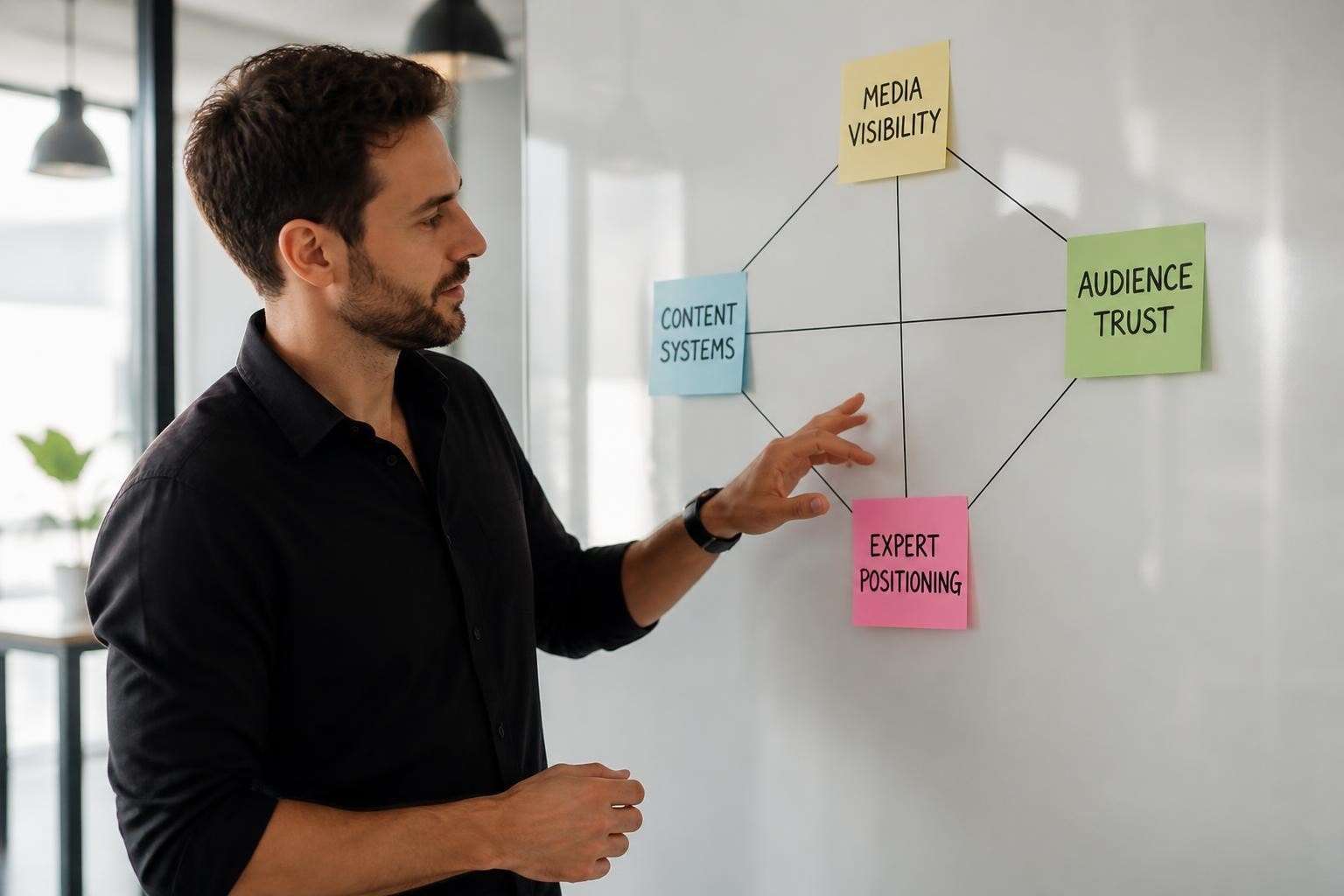
Television appearances represent one of the most powerful credibility-building tools available to today's business leaders. For CEOs seeking to establish themselves as recognized authorities in their industries, mastering the art of television interviews has become essential rather than optional. TV interviews for CEOs offer unparalleled opportunities to reach broader audiences, build trust with potential clients, and position their companies as market leaders in ways that traditional marketing simply cannot match.
Why Television Interviews Matter for CEO Authority
The landscape of business authority has fundamentally shifted. Modern consumers and B2B buyers no longer respond to traditional advertising the way previous generations did. They seek authentic connections with leaders who demonstrate expertise, confidence, and vision through multiple channels.
Television interviews provide CEOs with a unique platform to showcase their thought leadership while benefiting from the credibility transfer that comes with major network affiliations. When a CEO appears on NBC, ABC, or other recognized networks, viewers unconsciously attribute the network's trustworthiness to the executive and their company.
Key benefits of strategic TV appearances include:
- Enhanced market positioning as an industry thought leader
- Increased trust from potential clients and partners
- Expanded reach beyond existing marketing channels
- Improved employee morale and recruitment capabilities
- Stronger investor confidence and stakeholder relations
The compound effect of consistent television visibility creates what authority strategists call "omnipresence"-when your target audience encounters you across multiple platforms, reinforcing your expertise and accelerating the trust-building process.
Preparation Strategies That Separate Amateurs from Authorities
Media training is a CEO’s secret weapon for managing public perception and delivering compelling messages under pressure. The difference between a forgettable interview and one that generates business impact lies entirely in preparation.
Message Architecture Development
Before stepping in front of any camera, successful CEOs develop clear message frameworks. This process involves identifying three to five core messages that align with business objectives and audience needs.
Your message architecture should answer:
- What problem does your company solve uniquely?
- Why should viewers care about this solution now?
- What transformation can clients expect?
- What differentiates your approach from alternatives?
- What specific action should viewers take next?
Many executives make the mistake of trying to cover too much ground. Television operates in soundbites. Your goal is to deliver memorable, quotable statements that viewers can recall and repeat.
Understanding Producer Psychology
Producers select guests based on specific criteria that many CEOs overlook. They need experts who can deliver valuable content that keeps viewers engaged while fitting the show's format and audience expectations.
| Producer Priority | What They're Evaluating | How to Deliver |
|---|---|---|
| Audience Value | Will viewers learn something actionable? | Provide concrete tips and frameworks |
| On-Camera Presence | Can you maintain viewer attention? | Practice conversational delivery |
| Story Quality | Do you have compelling examples? | Prepare 2-3 specific success stories |
| Time Efficiency | Will you respect segment timing? | Practice 30-60 second responses |
The most successful tv interviews for ceos happen when executives understand they're providing value to the show's audience first, promoting their business second. This counterintuitive approach actually generates better business results because it builds genuine authority rather than appearing promotional.
Overcoming Camera Anxiety and Building Performance Confidence
Expert tips to prepare camera-shy CEOs for media engagements reveal that even experienced business leaders often struggle with on-camera performance initially. The camera introduces unique psychological pressures that differ significantly from boardroom presentations or conference speaking.
Technical Performance Elements
Physical presence matters tremendously on television. Small adjustments in posture, eye contact, and energy level create dramatic differences in perceived authority and trustworthiness.
Essential performance techniques include:
- Maintaining consistent eye contact with the interviewer rather than the camera
- Using controlled hand gestures that stay within the frame
- Varying vocal tone to avoid monotone delivery
- Sitting forward slightly to project engagement and energy
- Remembering to breathe naturally to manage nervous tension
Many executives benefit from recording practice sessions to identify unconscious habits like filler words, nervous gestures, or rushed delivery. Similar to public speaking preparation, television performance improves dramatically with deliberate practice and specific feedback.
Managing Difficult Questions and Maintaining Message Control
Every CEO fears the unexpected tough question. Staying in control of the narrative requires specific techniques for redirecting conversations while maintaining credibility and composure.
The bridge technique works exceptionally well during tv interviews for ceos. When asked a question that doesn't serve your message goals, acknowledge it briefly, then bridge to your prepared talking point using transition phrases:
- "That's one aspect, and what's really important to understand is…"
- "Great question. What our clients tell us matters most is…"
- "Here's what's interesting about that…"
Strategic Positioning for Maximum Business Impact
Not all television appearances generate equal business value. Strategic CEOs approach tv interviews for ceos as part of a comprehensive authority-building system rather than isolated opportunities.
Selecting the Right Platforms
Different networks and shows attract different audience demographics and carry varying levels of perceived authority. A CEO targeting enterprise clients should prioritize different appearances than one serving consumers.
Consider these factors when evaluating opportunities:
- Audience alignment: Does the viewership match your ideal client profile?
- Format fit: Does the show format allow you to deliver your message effectively?
- Credibility transfer: Does the network's reputation enhance your positioning?
- Reach potential: Will clips and recordings extend impact beyond live viewing?
- Strategic timing: Does the appearance align with product launches or business initiatives?
Building a Systematic Approach
One-off appearances rarely generate sustainable business results. The executives who build genuine market authority through television develop systems for consistent visibility. This might mean quarterly appearances on specific shows, developing relationships with particular producers, or creating content that naturally generates interview opportunities.
Effective communication with media requires understanding that producers need reliable experts they can call repeatedly. Becoming that go-to authority in your niche creates compound returns far exceeding any single interview.
Content Development and Topic Selection
The substance of your interview matters as much as your delivery. CEOs who consistently secure bookings understand how to identify topics that serve both audience needs and business objectives simultaneously.
Trend-Jacking and Newsjacking Strategies
Successful tv interviews for ceos often connect business expertise to current events or emerging trends. This approach makes your content timely and relevant while demonstrating that you understand the broader landscape affecting your industry.
Monitor industry publications, consumer trends, and cultural conversations for opportunities to position your expertise as the solution to emerging challenges. When a trend breaks, prepared CEOs can pitch themselves as expert commentators who help audiences understand implications and navigate changes.
Case Study Development
Generic advice fails on television. Viewers remember specific examples and transformation stories. Before any interview, prepare three detailed case studies that illustrate your key points with concrete details.
| Case Study Element | Purpose | Example Framework |
|---|---|---|
| Client Challenge | Establish relatability | "A manufacturing CEO faced…" |
| Market Context | Show broader relevance | "This reflected an industry trend where…" |
| Your Solution | Demonstrate expertise | "We implemented a three-phase approach…" |
| Specific Results | Prove effectiveness | "Within 90 days, they achieved…" |
The most compelling tv interviews for ceos balance practical frameworks viewers can implement immediately with transformation stories that inspire action. This combination positions you as both strategically minded and results-focused.
Post-Interview Leverage and Authority Amplification
The interview itself represents just the beginning of its business value. Strategic executives systematically amplify every appearance across multiple channels to extend reach and reinforce authority positioning.
Content Repurposing Frameworks
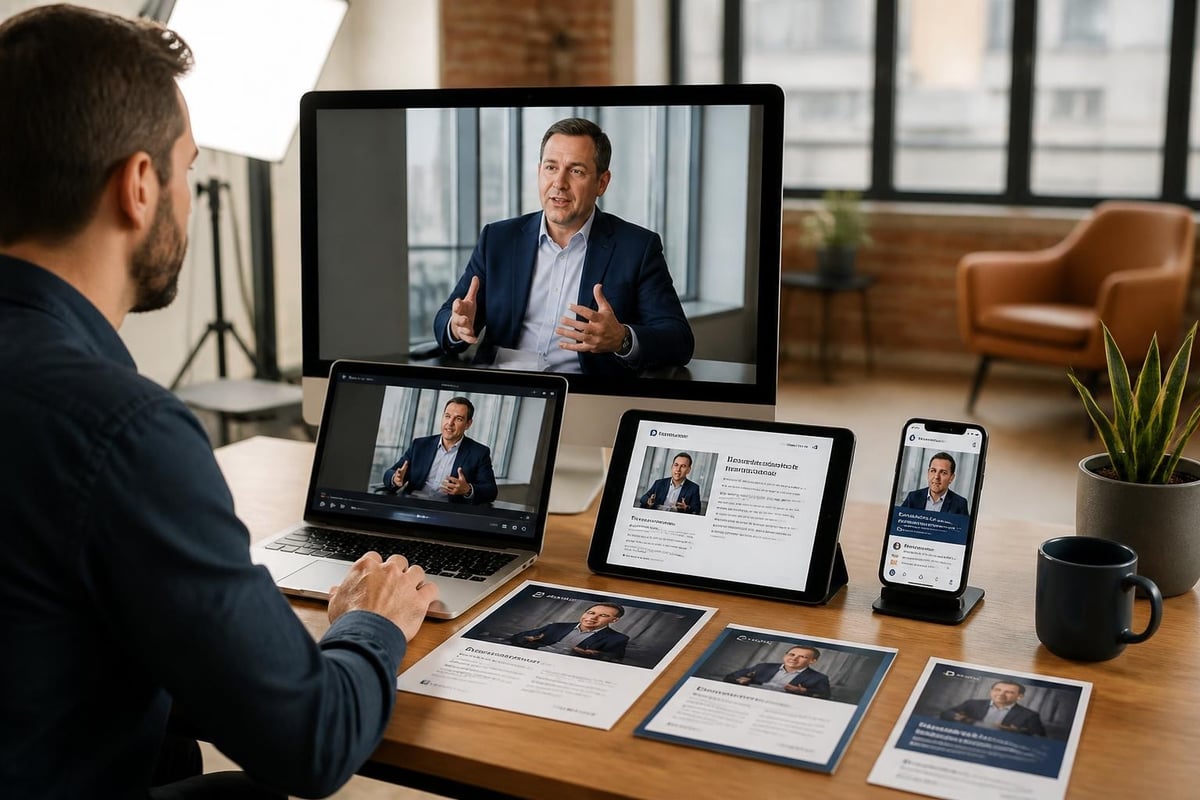
A single television interview can generate content assets for months when approached strategically. Successful CEOs or their marketing teams extract maximum value through systematic repurposing.
Primary repurposing opportunities include:
- Creating short video clips for social media platforms
- Developing blog articles expanding on interview topics
- Generating quote graphics highlighting key soundbites
- Incorporating footage into website authority sections
- Using segments in email marketing campaigns
- Creating case studies from discussed examples
This multiplier effect means tv interviews for ceos deliver returns far exceeding the live audience. Your appearance becomes an evergreen authority asset that continues building credibility for years.
Building Interview Portfolios
As appearances accumulate, they create a portfolio that becomes its own authority signal. Websites featuring "As Seen On" sections with network logos immediately communicate credibility to visitors who might otherwise be unfamiliar with your work.
Common Mistakes That Undermine CEO Television Success
Even experienced executives make predictable errors that diminish interview effectiveness. Media training best practices help identify and correct these issues before they damage your authority positioning.
Over-Promotion and Sales Focus
The fastest way to ensure you're never invited back is treating the interview as a commercial. Producers need to provide value to their audiences, and viewers immediately recognize and reject overtly promotional content.
The paradox of tv interviews for ceos is that those who focus entirely on delivering value without promotion often generate more business than those who constantly push their services. Credibility comes from demonstrated expertise, not sales claims.
Failing to Tell Stories
Abstract concepts don't translate well on television. CEOs accustomed to strategy discussions with other executives often struggle to make their expertise accessible and engaging for general audiences.
Every point should connect to a specific story, example, or scenario. Rather than discussing "optimizing operational efficiency," describe the manufacturing plant that reduced waste by forty percent through a specific process change and what that meant for their employees and customers.
Inadequate Preparation Time
Many busy CEOs underestimate the preparation required for effective television performance. TV interview preparation for CEOs requires dedicated time to develop messages, practice delivery, and anticipate questions.
Successful executives block preparation time weeks before appearances, treating interview prep with the same priority as major presentations to boards or investors. This investment pays dividends through dramatically improved performance and business results.
Building Long-Term Media Relationships
Sustainable television visibility comes from relationships rather than one-time bookings. The executives who appear regularly on major networks understand that producers value reliability, consistency, and professionalism above all else.
Becoming a Producer's Go-To Expert
Producers maintain lists of reliable experts they can call when topics arise. Getting on these lists requires demonstrating several key qualities:
- Responsiveness: Reply to booking inquiries within hours, not days
- Flexibility: Accommodate scheduling changes and last-minute opportunities
- Reliability: Show up prepared and on time consistently
- Value delivery: Provide actionable content that serves audiences
- Professionalism: Make the producer's job easier, not harder
Once established as a trusted resource, you'll receive invitations for future segments without needing to pitch yourself repeatedly. This transforms tv interviews for ceos from a challenging prospecting process into a systematic authority-building channel.
Strategic Follow-Up Practices
After each appearance, thoughtful follow-up strengthens relationships and increases rebooking probability. This doesn't mean aggressive sales outreach but rather professional appreciation and value delivery.
Send a brief thank-you message to the producer acknowledging their professionalism and the opportunity. If appropriate, share how the segment performed on your platforms or positive feedback you received. Offer to serve as a resource for future segments on related topics.
Integration with Comprehensive Authority Systems
Television interviews deliver maximum impact when integrated with other authority-building activities rather than existing in isolation. The most successful CEOs develop comprehensive systems where each element reinforces the others.
Multi-Channel Authority Architecture
Strategic executives coordinate television appearances with content marketing, speaking engagements, and publishing to create authority omnipresence. When prospects encounter you across multiple prestigious platforms, trust accelerates dramatically.
This might mean timing a television interview to coincide with a book launch, using speaking engagements to develop content for future tv interviews for ceos, or leveraging podcast appearances to build relationships with media producers. Just as speechwriting lessons from songwriters can enhance your message delivery, insights from one authority channel often improve performance across others.
Measurement and Optimization
What gets measured gets improved. Track specific metrics around each television appearance to understand which formats, topics, and networks generate the most business value for your specific situation.
Critical metrics include:
- Website traffic spikes following appearances
- Inquiry volume and quality in subsequent weeks
- Social media engagement with appearance content
- Sales conversation references to TV credibility
- Long-term changes in market positioning perception
This data informs future booking decisions and topic selection, creating a continuous improvement cycle that increases return on investment over time.
Advanced Techniques for Maximum Impact
Once you've mastered fundamental interview skills, advanced techniques separate good performances from truly exceptional ones that generate significant business impact and media opportunities.
Soundbite Engineering
Producers love guests who deliver quotable soundbites that encapsulate complex ideas in memorable phrases. These become the clips that get shared and replayed, extending your reach exponentially.
Develop signature phrases that communicate your unique perspective concisely. Think of how successful authors create memorable concepts that spread through business culture. Your television soundbites should achieve similar memorability.
Strategic Controversy and Contrarian Positioning
Playing it safe makes for forgettable television. The executives who generate the most discussion and impact often take positions that challenge conventional wisdom or popular assumptions in their industries.
This doesn't mean being inflammatory for attention but rather having the courage to share genuinely different perspectives backed by evidence and experience. Producers specifically seek guests who can provide fresh angles rather than repeating common talking points.
When executed thoughtfully, contrarian positioning during tv interviews for ceos establishes you as an independent thinker rather than another voice echoing industry consensus. This distinctiveness becomes central to your authority brand.
Developing Your Television Strategy
Creating an effective television presence requires strategic planning rather than opportunistic reactions to random booking possibilities. Successful CEOs develop clear strategies aligned with business objectives before pursuing any appearances.
Define Success Metrics
What specific business outcomes justify the time investment in television appearances? Different executives have different priorities, whether that's premium client acquisition, speaking fee increases, book sales, or industry recognition.
Clear objectives inform every decision from which shows to target, what topics to discuss, how to measure results, and whether television should remain a priority within your authority-building system.
Build Your Topic Portfolio
Rather than claiming generic expertise, develop three to five specific topics where you can deliver exceptional value and differentiation. These become your booking angles that producers can immediately understand and match to programming needs.
Your topics should intersect your genuine expertise with audience interests and current trends. The sweet spot occurs where you have unique insights on subjects people care about right now.
Mastering tv interviews for ceos transforms how markets perceive your expertise and accelerates your company's growth through enhanced credibility and expanded reach. The strategic application of preparation techniques, message frameworks, and systematic leverage creates compound returns far exceeding the initial time investment.
If you're ready to establish yourself as a recognized authority through guaranteed television placements on major networks like NBC, Mitch Carson specializes in helping CEOs secure strategic TV interviews through the BookedForTV™ Guaranteed Placement System. With proven frameworks for producer-ready positioning and on-camera performance, you can transform television from an intimidating unknown into your most powerful authority-building channel.