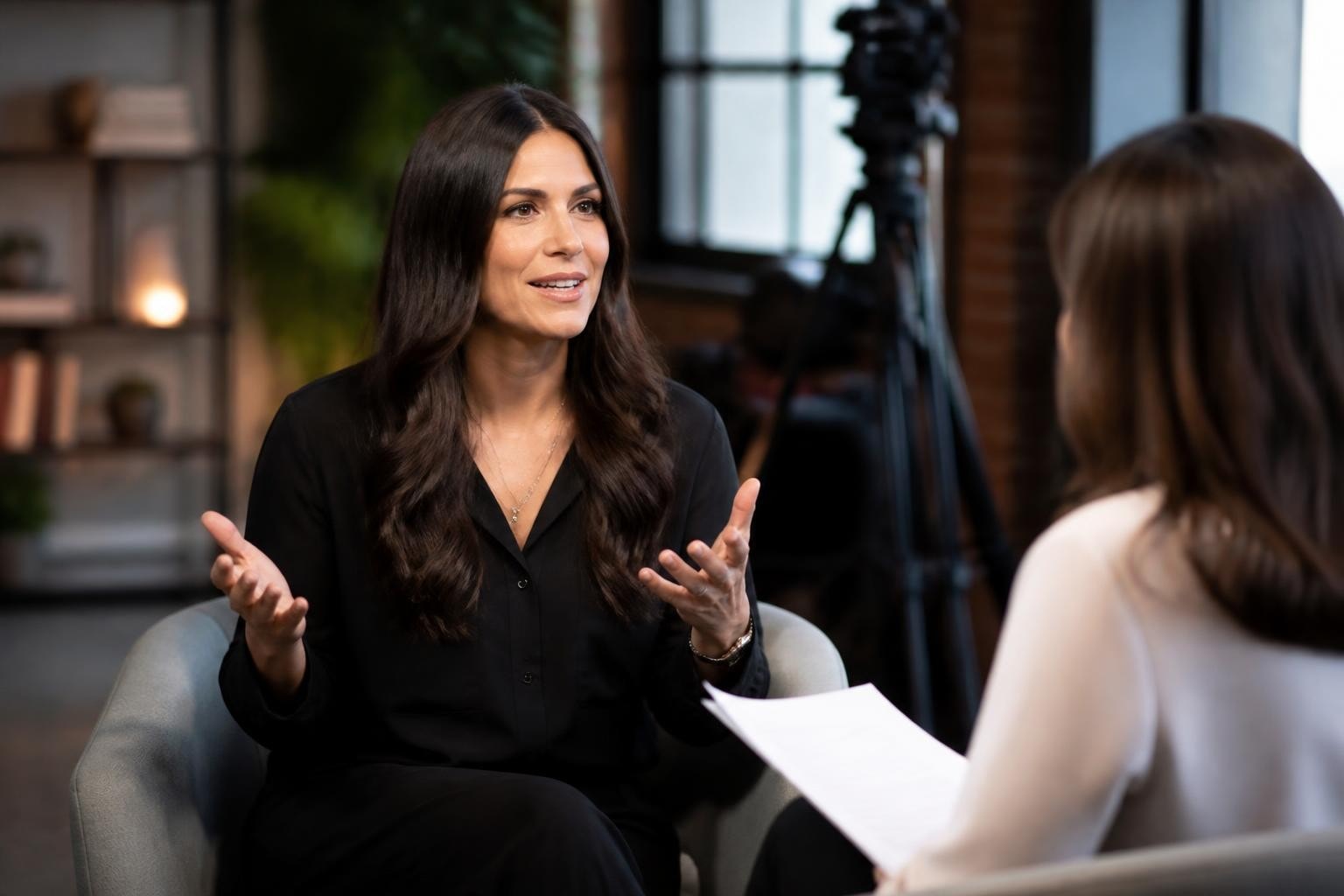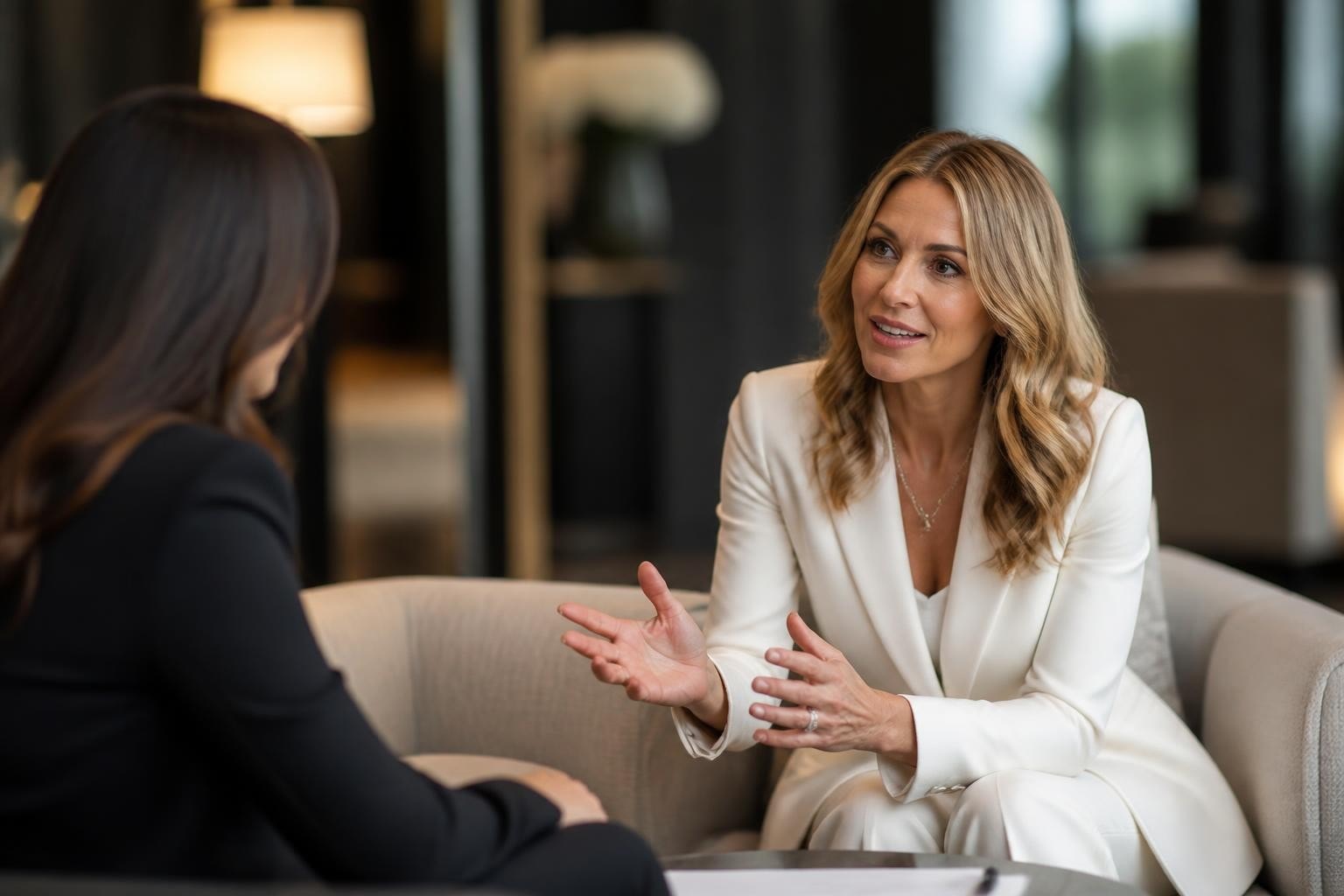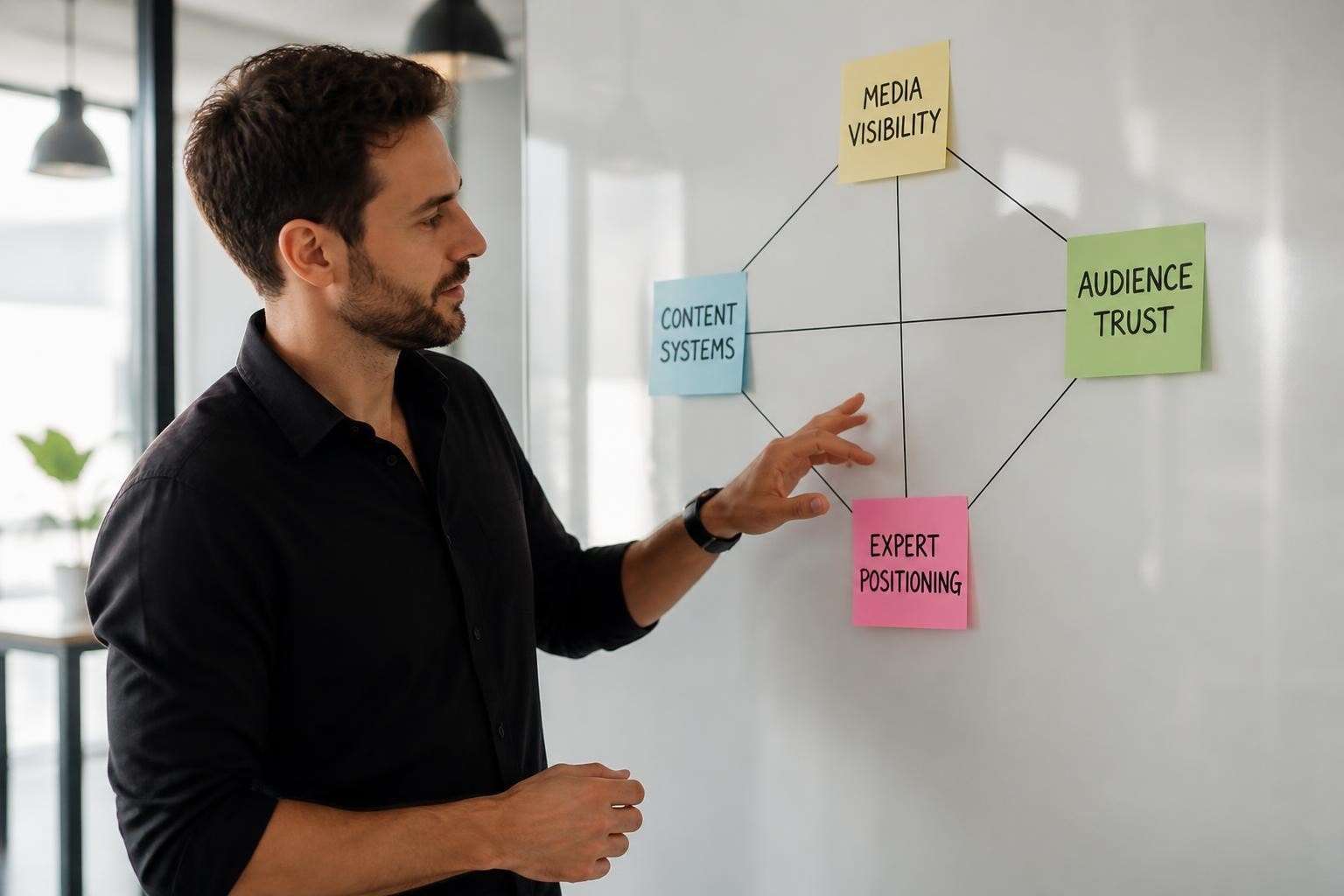
The difference between landing a guaranteed TV booking and being ignored by producers often comes down to a single element: your segment angle. For CEOs, authors, and experts seeking to build market-leading authority, understanding the perfect TV segment angle is not merely helpful-it's essential. Producers receive hundreds of pitches weekly, and only those who present a clear, timely, and audience-focused angle earn airtime. This strategic framework transforms how you position your expertise for maximum media visibility and credibility.
Understanding What Producers Actually Want
Television producers operate under intense deadline pressure while balancing audience expectations, network standards, and advertiser relationships. When evaluating segment ideas, they ask three fundamental questions: Will this resonate with our specific audience? Does this expert bring credible insights? Can we produce this segment within our format constraints?
The perfect TV segment angle answers all three questions immediately. It connects your expertise to current events, seasonal trends, or persistent audience problems that demand solutions. Rather than pitching "leadership tips" or "business advice," successful experts frame their knowledge around specific, timely hooks that producers can visualize on screen.
The Anatomy of a Producer-Ready Angle
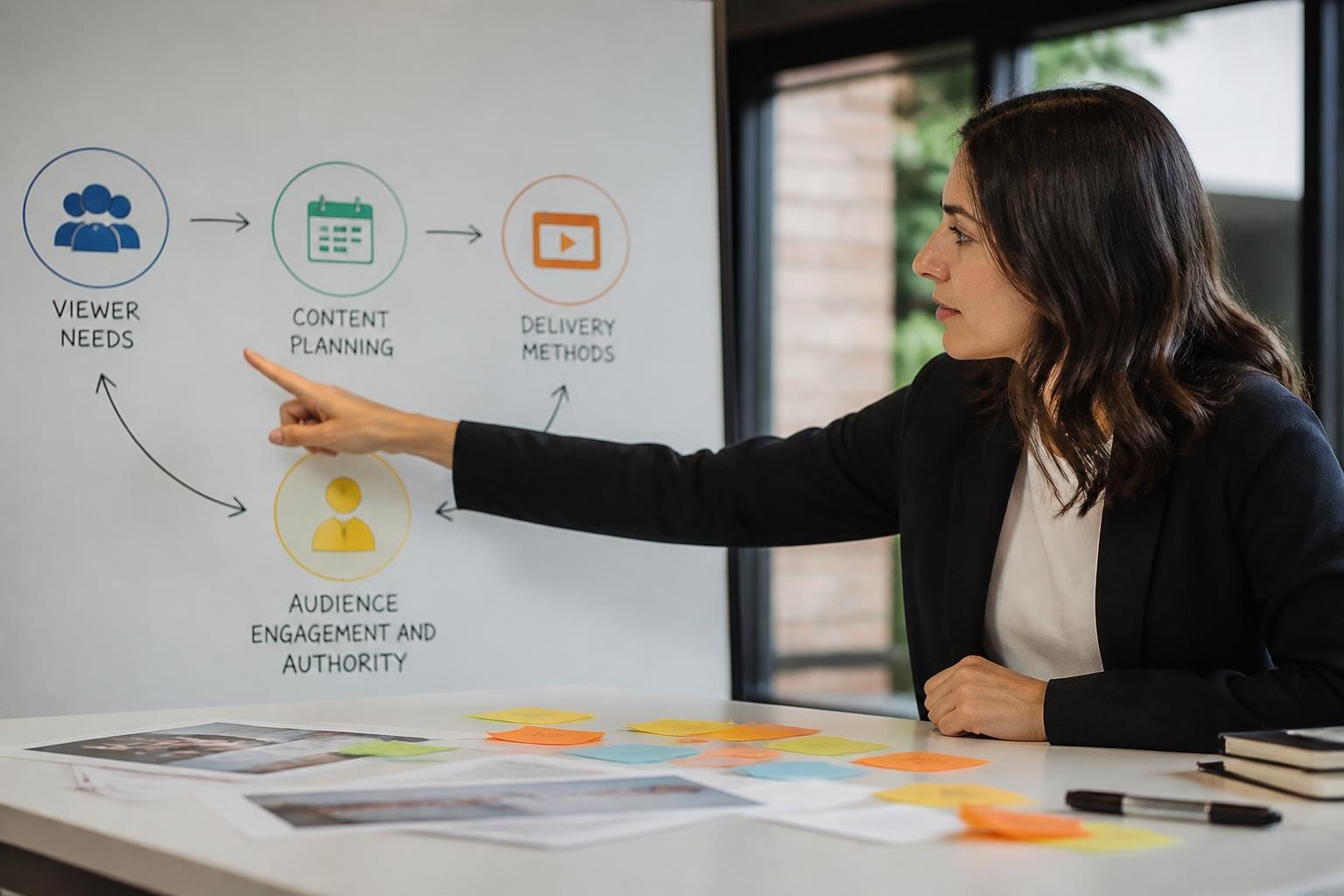
A compelling segment angle contains several critical components working together. First, it identifies a specific audience pain point or curiosity. Second, it connects that problem to a timely news hook or cultural moment. Third, it positions you as the unique authority who can deliver actionable insights within a three-to-seven-minute segment.
Consider how strategic media positioning transforms generic expertise into television gold. A financial advisor pitching "retirement planning" faces steep competition. That same advisor angling "Three Social Security Mistakes Costing Retirees $50,000 in 2026" becomes immediately bookable because the angle is specific, timely, and valuable.

Researching Audience Demographics and Viewing Patterns
Understanding who watches television and how they consume content shapes every successful segment angle. According to Pew Research Center’s analysis of local news consumption, audience preferences vary dramatically by demographic, platform, and time of day. Morning show viewers seek practical, actionable content they can implement immediately. Evening news audiences prefer analysis and context around developing stories.
The perfect TV segment angle aligns your expertise with the specific show's audience profile. National morning shows skew toward employed adults aged 25-54, while daytime programming reaches different demographics entirely. Research the shows where you want to appear, study their segment topics over the past month, and identify patterns in how they frame expert interviews.
Key audience research steps include:
- Analyzing three months of segment topics from target shows
- Identifying recurring themes and angles that perform well
- Noting expert credentials and how producers introduce guests
- Tracking seasonal patterns and annual coverage traditions
- Monitoring social media engagement around specific segments
This research informs how you position your expertise. If a show consistently features "expert roundups" around holiday shopping, tax season, or back-to-school preparation, you can anticipate those angles months in advance and prepare producer-ready pitches.
Connecting Expertise to Current Events
Timeliness separates amateur pitches from professional segment angles. Producers build shows around the news cycle, cultural moments, and calendar events. Your ability to connect your expertise to what's happening now determines whether producers see you as reactive or strategic.
The perfect TV segment angle bridges current events with your specialized knowledge. When major legislation passes, economic data releases, or cultural shifts occur, experts who respond within 24-48 hours position themselves as go-to authorities. This requires maintaining an editorial calendar that anticipates predictable news cycles while staying flexible enough to capitalize on unexpected developments.
| Event Type | Response Window | Angle Approach |
|---|---|---|
| Breaking news | 2-6 hours | Expert analysis, implications, what comes next |
| Trend stories | 1-3 days | Context, data, actionable advice |
| Seasonal topics | 3-6 weeks advance | Planning guides, preparation strategies |
| Annual events | 2-3 months advance | Comprehensive coverage, new angles on familiar topics |
Developing this news sense requires daily monitoring of industry publications, general news outlets, and social media trends. When you spot developing stories that intersect your expertise, immediately draft segment angles that help audiences understand implications and take action.
Crafting the Visual Component
Television is fundamentally a visual medium, yet many experts pitch segment angles without considering how producers will shoot and edit the content. The perfect TV segment angle includes inherent visual opportunities that make a producer's job easier. Reuters Institute’s guidance on video journalism emphasizes audience-first story design, which means thinking beyond talking heads.
When developing your angle, ask: What can viewers see that reinforces my points? Can we demonstrate a technique? Are there props, graphics, or B-roll opportunities that enhance understanding? Segments featuring demonstrations, before-and-after comparisons, or physical examples consistently outperform those relying solely on interview discussion.
Building Demonstration Opportunities
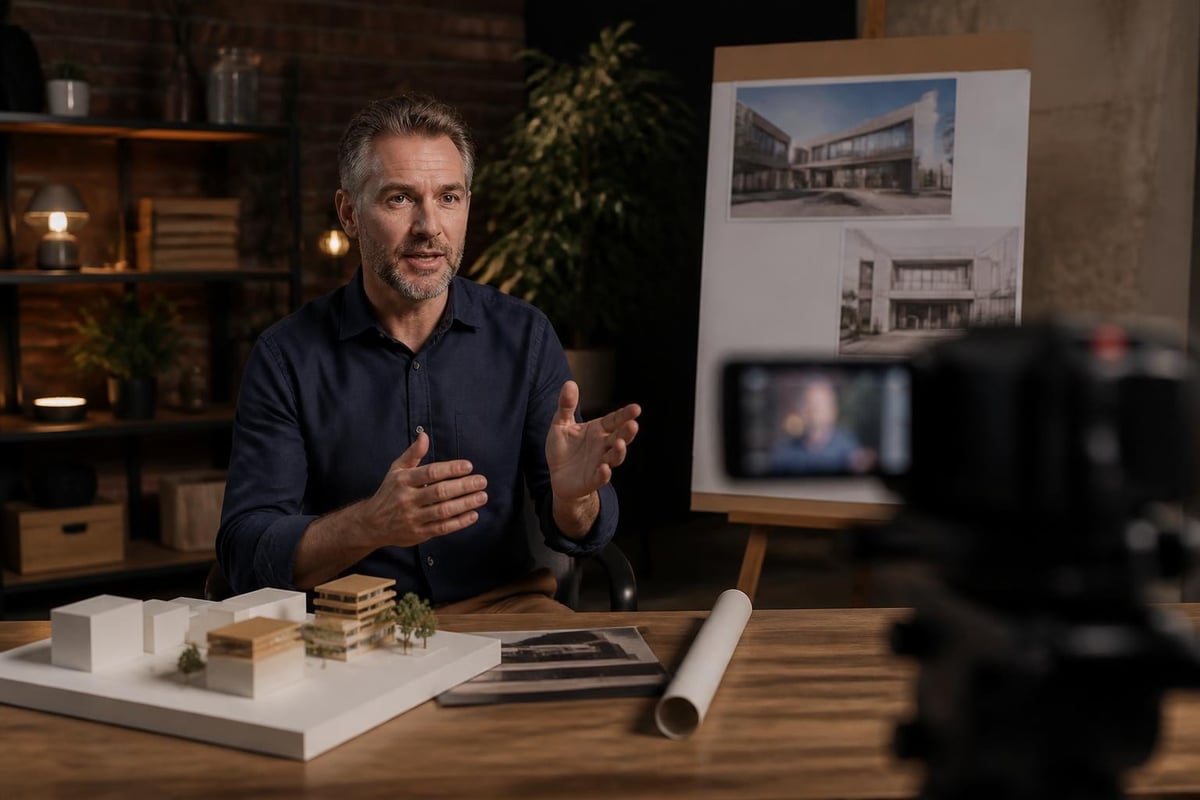
Producers love segments they can visualize quickly. If you're a productivity expert, bring physical examples of organizational systems. If you discuss cybersecurity, prepare simple demonstrations viewers can follow. If your expertise involves processes, create step-by-step visuals that work on camera.
This visual thinking extends to your personal presentation. Your background, wardrobe, and props all communicate authority and professionalism. Understanding presentation fundamentals translates directly to on-camera success, as producers evaluate whether you'll look and sound credible to their audience.
Positioning Against Producer Objections
Every segment pitch faces internal scrutiny before approval. Producers must justify their booking decisions to executive producers, news directors, and show hosts. The perfect TV segment angle preemptively addresses common objections by demonstrating clear value, manageable risk, and production feasibility.
Common producer objections and solutions:
- "We just covered this topic" – Your angle offers a fresh perspective, new data, or different audience application
- "Our audience won't care" – You've researched their demographics and can prove relevance with specific examples
- "This expert isn't credible enough" – Your credentials, media experience, and unique positioning demonstrate authority
- "We can't visualize this" – You've prepared specific demonstration ideas, props, or visual aids
- "This feels like a sales pitch" – Your angle focuses entirely on audience value with actionable, commercial-free advice
Addressing these concerns within your initial pitch demonstrates media sophistication. Rather than forcing producers to identify problems, you've already solved them. This professional approach, combined with building genuine authority, sets you apart from amateur pitches.
Adapting Angles Across Different Show Formats
Morning shows, daytime talk programs, evening news, and cable segments each require different angle approaches. The perfect TV segment angle for one format may need significant adjustment for another. Morning shows favor practical, positive content with immediate application. Evening news prefers analysis, context, and expert interpretation of developing stories.
Understanding these format differences allows you to multiply the value of your core expertise. A single area of knowledge can generate multiple segment angles tailored to different shows. A business strategist might pitch "Three Morning Routine Habits of Successful CEOs" to morning shows while angling "How Economic Uncertainty Changes Leadership Priorities" for evening news analysis.
Format-Specific Angle Characteristics
Morning shows prioritize energy, positivity, and immediate value. Angles should promise specific takeaways viewers can implement today. Demonstration segments, quick tips, and seasonal advice perform exceptionally well. Your delivery needs higher energy and enthusiasm matching the show's pace.
Daytime programs allow deeper exploration of topics with more personal storytelling. Angles can address challenges, transformations, and emotional journeys while still delivering practical solutions. These shows often feature longer segments, permitting more nuanced discussion.
Evening news demands authoritative analysis and context. Your angle should help viewers understand why a story matters and what comes next. Data, research, and predictive insights strengthen your positioning as a serious expert.
Cable news and specialty shows vary widely but generally seek strong perspectives and debate-worthy angles. These segments often involve multiple guests, so your angle must clearly differentiate your viewpoint from others.
Developing Your Signature Angle Framework
The most successful media experts don't pitch random topics hoping something sticks. Instead, they develop signature angle frameworks that position them as the definitive authority in specific niches. This strategic approach, central to building unignorable authority, creates consistent booking opportunities while reinforcing your market position.
Your signature framework connects your unique expertise, methodology, or research to audience needs in a repeatable way. It allows you to respond quickly to breaking news within your domain while maintaining consistent messaging across all media appearances. This framework becomes your professional trademark, making you the obvious expert choice when producers need that specific perspective.
| Framework Element | Purpose | Example |
|---|---|---|
| Unique methodology | Differentiates your approach | "The Three-Circle Decision Framework" |
| Proprietary research | Establishes data authority | "Our annual survey of 10,000 executives reveals…" |
| Signature phrase | Creates memorable positioning | "The Authority Acceleration System" |
| Specific audience focus | Clarifies who you serve | "CEOs navigating digital transformation" |
| Measurable outcomes | Demonstrates real-world impact | "Clients see 300% increase in credibility markers" |
This framework doesn't limit your segment angles-it focuses them. You can still address diverse topics, but everything connects back to your core positioning, reinforcing your authority with every appearance.

Timing Your Pitch for Maximum Impact
Even the perfect TV segment angle fails without proper timing. Producers work on different schedules depending on show format, and understanding these cycles dramatically increases booking success. Morning shows typically book evergreen segments one to three weeks out while maintaining flexibility for breaking news. Magazine-style programs often work six to eight weeks ahead, particularly for seasonal content.
The optimal pitch timing balances advance notice with relevance. Pitch too early, and your angle might get lost in the queue. Pitch too late, and producers have already filled their segments. Understanding the booking process helps you navigate these timing considerations strategically.
Timing strategy by segment type:
- Breaking news reactions: Within 2-6 hours of the story developing
- Trend commentary: 24-48 hours after trend identification
- Seasonal content: 6-8 weeks before the season begins
- Evergreen segments: 2-4 weeks advance, pitched consistently
- Holiday-related angles: 8-12 weeks before major holidays
Beyond calendar timing, consider competitive timing. When major stories break in your industry, dozens of experts rush to pitch. Those who respond fastest with the strongest angle win bookings. Maintaining pitch templates you can quickly customize allows rapid response without sacrificing quality.
Ethical Considerations and Credibility Protection
The perfect TV segment angle balances compelling presentation with absolute integrity. Your media authority depends on consistent credibility, which means never overselling your expertise, fabricating credentials, or misleading audiences about your qualifications. RTDNA’s ethical guidelines provide essential frameworks for framing expertise honestly while still creating compelling segments.
Producers verify credentials before booking, and any discovered misrepresentation permanently damages your media prospects. Instead, honestly acknowledge the boundaries of your expertise while emphasizing your genuine qualifications. If you're an author, lead with that credential. If you've built successful companies, that experience matters more than invented titles.
Your angles should promise only what you can deliver in the segment timeframe. Overpromising creates disappointed audiences and frustrated producers who won't book you again. Better to under-promise and over-deliver, leaving viewers wanting more rather than feeling misled.
Leveraging Multi-Platform Opportunities
Modern television extends far beyond broadcast airtime. The perfect TV segment angle in 2026 considers how content will perform across digital platforms, social media, and streaming services. Nieman Lab’s analysis of local TV’s digital future emphasizes that segments must work for multiple distribution channels simultaneously.
When crafting angles, consider how the content translates to social media clips, podcast discussions, and written articles. Segments with strong visual moments, quotable insights, and standalone tips perform better across platforms. This multi-platform thinking increases the value you bring to producers, as their content reaches broader audiences through various channels.
Your angle should include natural soundbite opportunities-memorable phrases that work in fifteen-second social media clips. It should also contain multiple tips or insights that can be separated into individual posts. This strategic design makes you a more valuable guest because you're helping producers maximize content ROI.
Measuring Angle Effectiveness
Successful experts continuously refine their approach based on performance data. Track which angles generate booking responses, which segments perform well with audiences, and which appearances lead to business opportunities. This measurement discipline, similar to developing speaking confidence through practice, improves your results over time.
Key metrics to track:
- Pitch response rate by angle type
- Booking conversion rate from pitch to appearance
- Audience engagement metrics when available
- Business inquiries following appearances
- Producer requests for return appearances
- Social media performance of segment clips
This data reveals patterns in what works for specific shows, topics, and formats. Perhaps your demonstration-heavy angles consistently outperform interview-only segments. Maybe certain producers respond better to trend-based pitches versus evergreen content. These insights allow strategic optimization of your pitch approach.
Building Producer Relationships Through Consistent Value
The perfect TV segment angle opens doors, but consistent value delivery builds lasting producer relationships. When you exceed expectations-arriving prepared, delivering engaging content, respecting time constraints, and making production easy-producers remember and rebook you. These relationships transform from one-off bookings into ongoing authority-building opportunities.
Following up after appearances with thank-you notes, sharing social media posts that promote the segment, and offering yourself as a resource for future stories all strengthen these relationships. When breaking news hits your industry, producers with whom you've built relationships call you first. This insider status, cultivated through professionalism and value delivery, creates compounding media opportunities.
Understanding how authority compounds through strategic positioning helps you see each segment as part of a larger visibility strategy rather than isolated appearances. Every booking builds your media reel, strengthens your credentials, and positions you for increasingly prominent opportunities.
Adapting to Regulatory and Legal Frameworks
While creativity drives compelling angles, awareness of broadcast regulations ensures your segments meet station requirements. The FCC’s public file requirements mandate certain disclosures and content standards that affect how stations approach commercial content, endorsements, and sponsored segments. Understanding these frameworks prevents angles that create legal complications for producers.
Experts who disclose relationships, avoid prohibited claims, and respect intellectual property boundaries make producers' jobs easier. If your segment mentions products or services, clear communication about any financial relationships maintains both legal compliance and audience trust. These considerations should inform angle development from the beginning rather than creating problems during production.
Advanced Angle Techniques for Competitive Markets
In saturated expert markets, basic angles no longer suffice. Advanced practitioners develop proprietary data, conduct original research, and create unique intellectual property that makes their segments impossible to replicate. This strategic investment in original insights positions you beyond commodity expert status.
Conducting annual surveys, tracking industry trends, or developing predictive models gives you exclusive data to share during segments. Producers value these unique insights because they can't get them elsewhere. This exclusivity strengthens both your initial pitch and your long-term authority positioning.
Similarly, developing signature methodologies, frameworks, or assessment tools creates segment opportunities that showcase your unique approach. Rather than discussing general best practices, you're introducing audiences to your specific system, automatically differentiating you from other experts while building your brand.
Mastering the perfect TV segment angle transforms how producers perceive your expertise and dramatically increases your booking success. By combining audience research, timely positioning, visual thinking, and ethical credibility, you create segment opportunities that build lasting authority and attract premium opportunities. Mitch Carson specializes in helping CEOs, authors, and experts develop producer-ready angles through his BookedForTV™ Guaranteed Placement System, combining strategic positioning with on-camera performance training to secure guaranteed TV interviews on major networks. If you're ready to transform your expertise into compelling television segments that build market-leading authority, Mitch Carson can guide you through the entire process from angle development to on-air success.