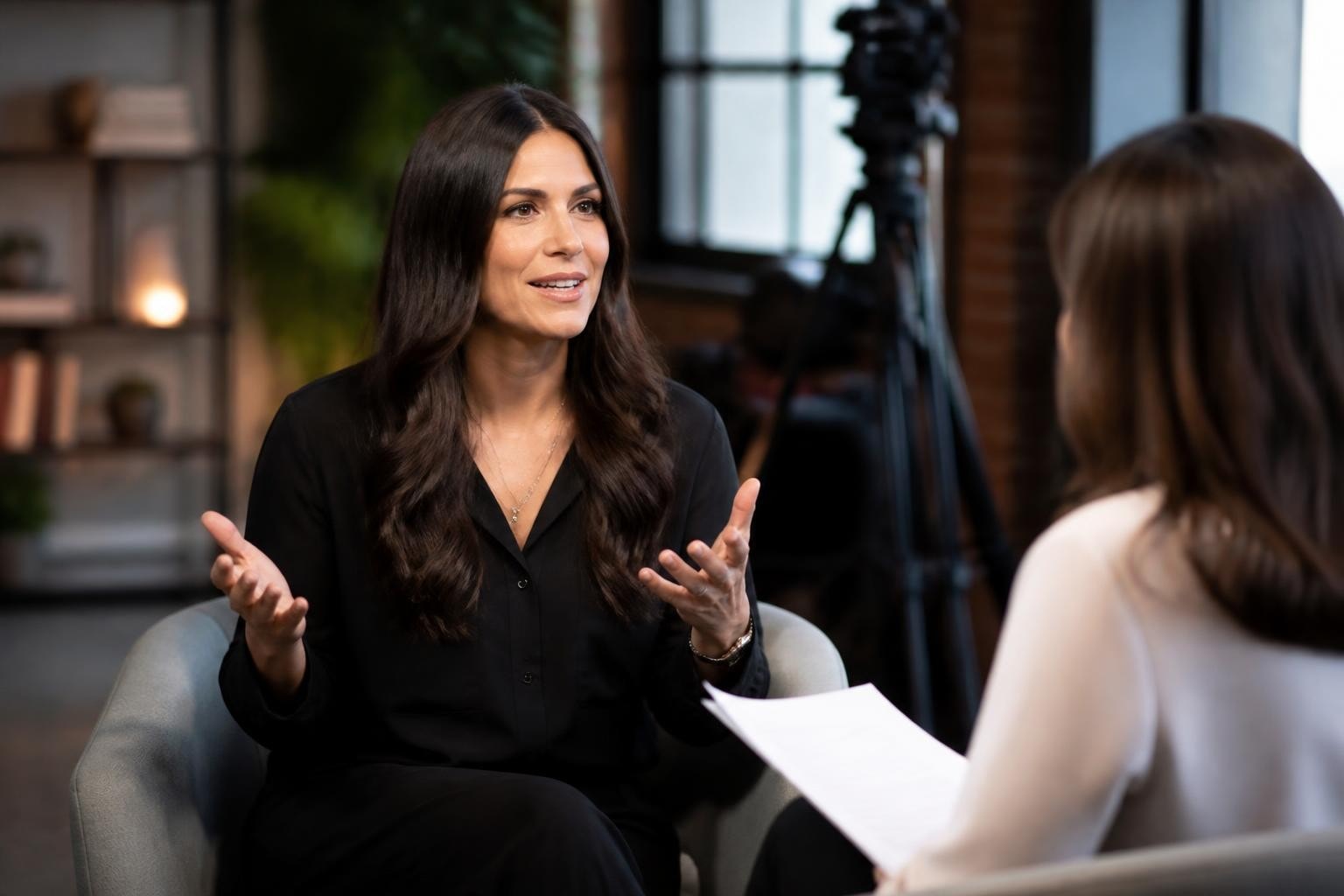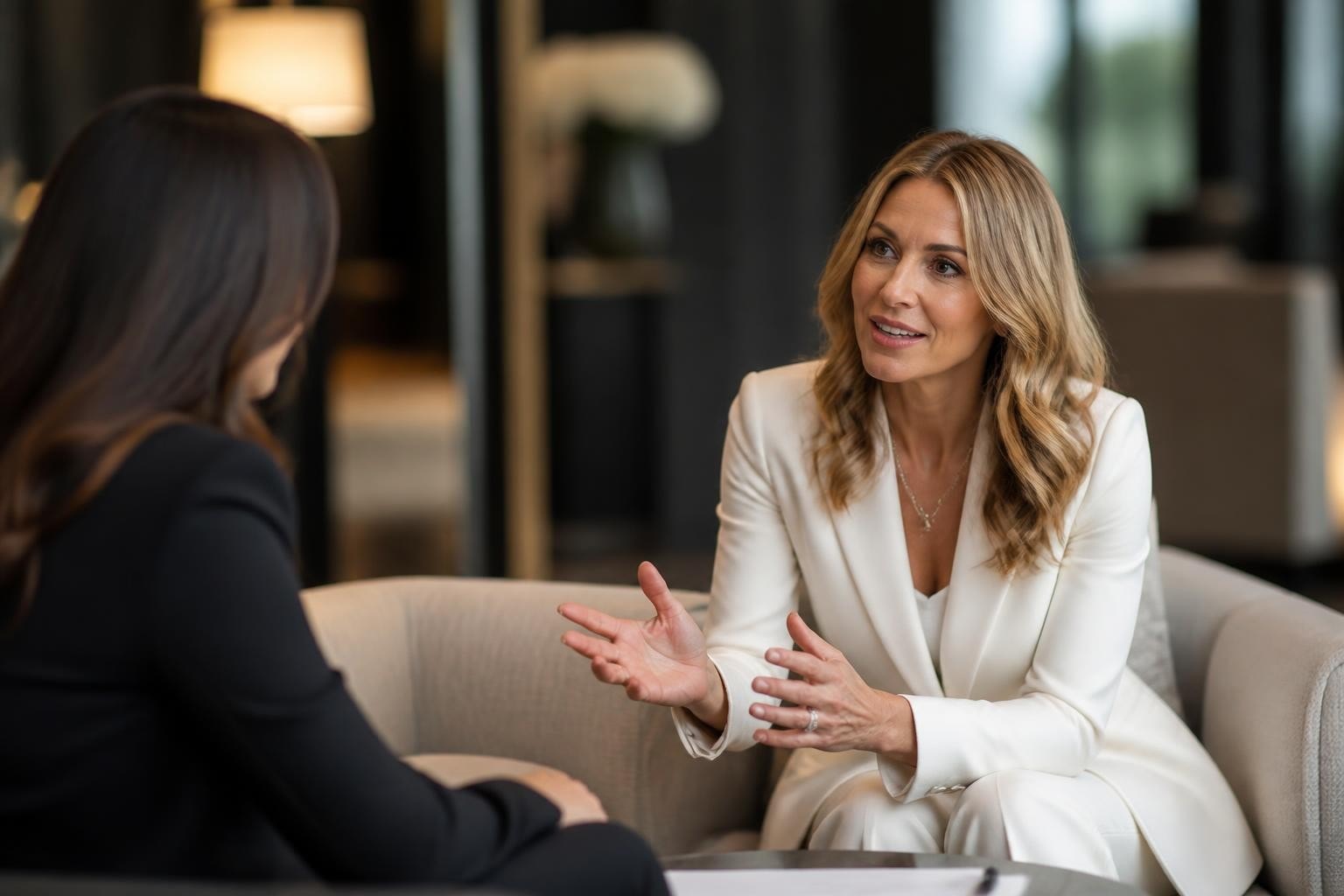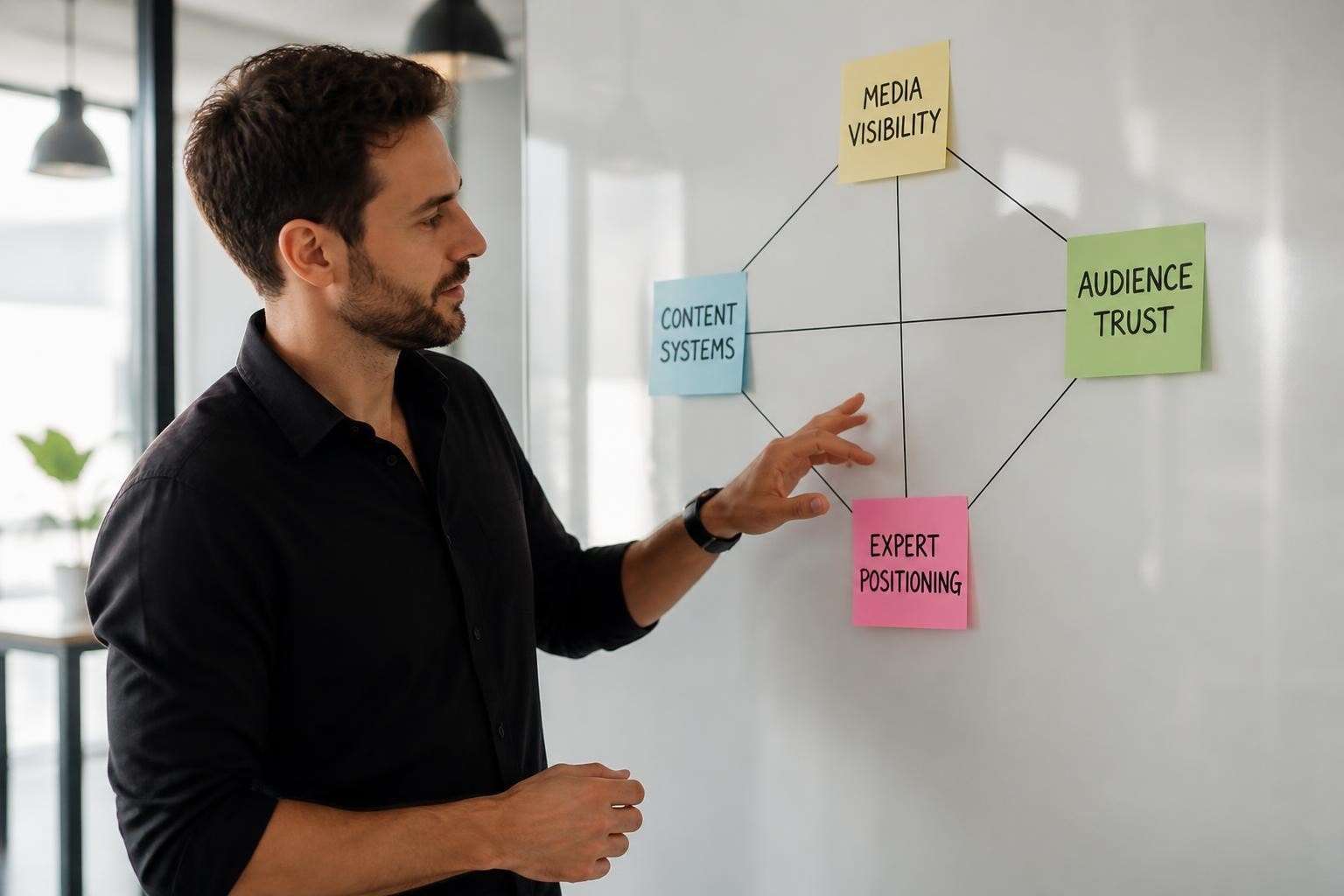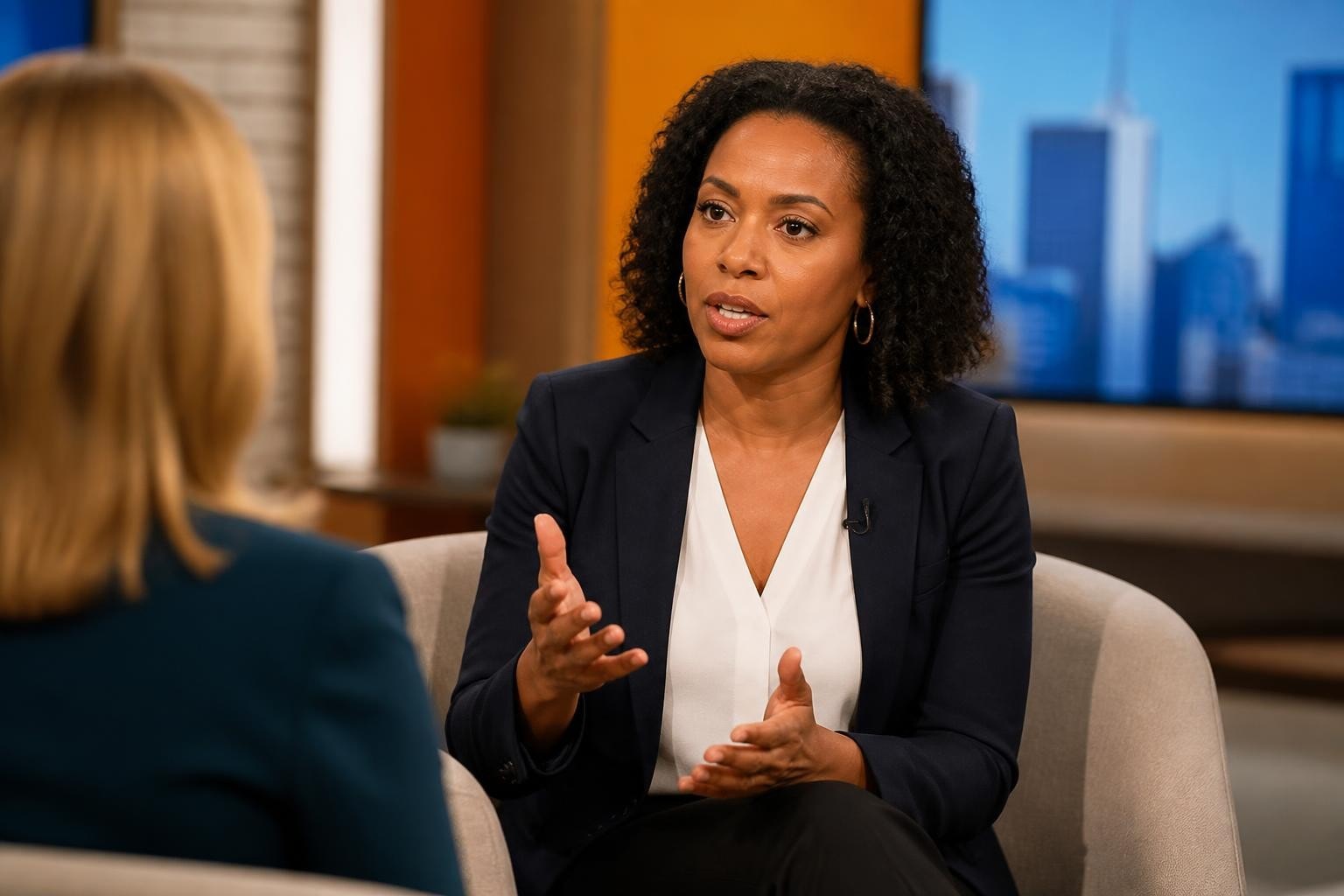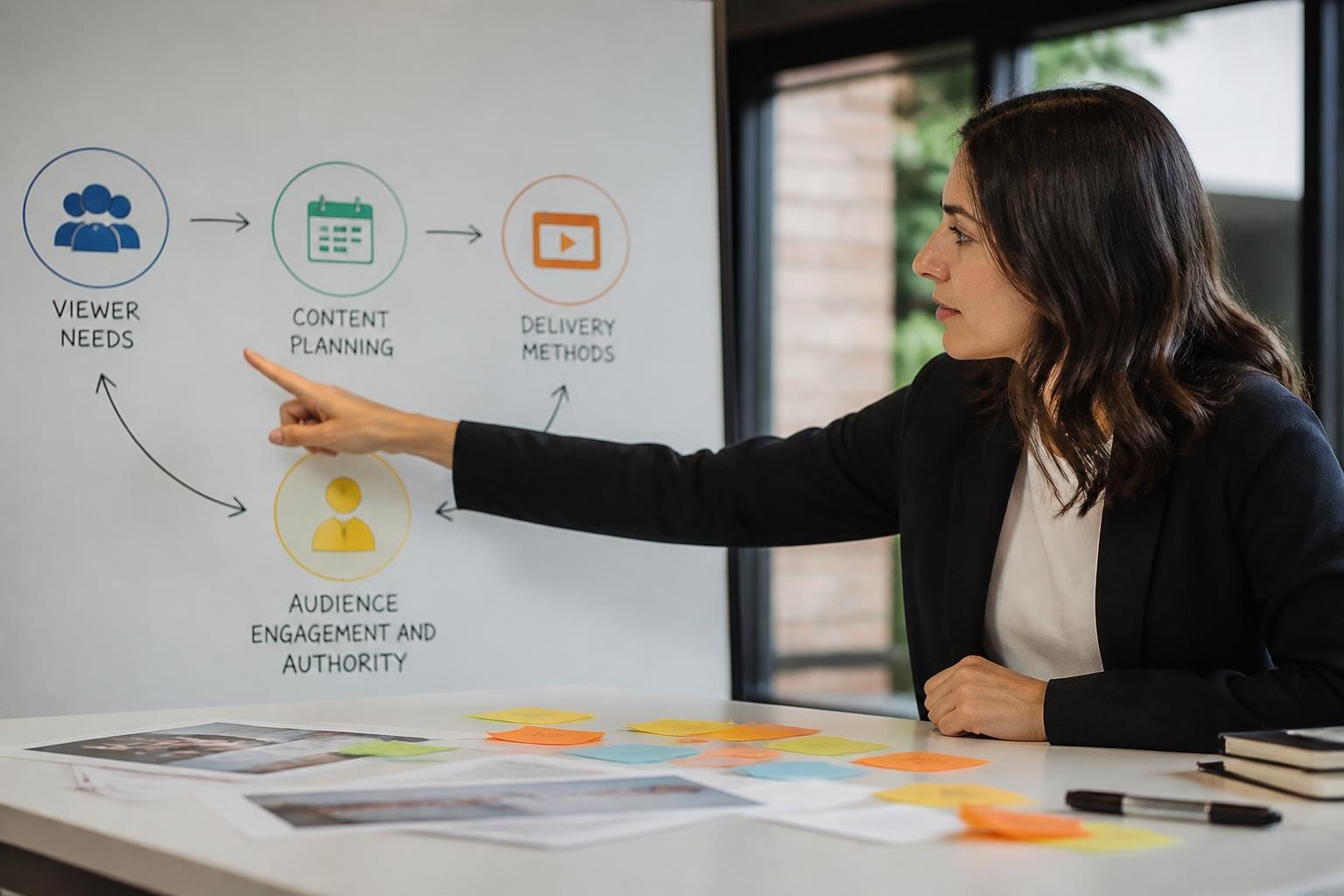
Television audiences make split-second decisions about whether to keep watching or change the channel. When CEOs, authors, and industry experts appear on camera, they have roughly seven seconds to capture viewer attention before the remote control wins. The difference between interviews that build authority and those that fade into background noise comes down to one critical skill: storytelling for tv interviews. Mastering this craft transforms dry expertise into compelling narratives that producers seek out and audiences remember long after the segment ends.
Why Traditional Interview Techniques Fail on Television
Most professionals approach TV interviews the way they handle boardroom presentations or keynote speeches. They prepare bullet points, rehearse key messages, and focus on delivering information accurately. This methodical approach works well in controlled business environments but falls flat under studio lights.
Television operates on emotional connection and narrative momentum. Viewers don't tune in to absorb data sheets or quarterly reports. They connect with human experiences, transformations, and stories that mirror their own challenges. When interview subjects default to corporate speak or industry jargon, they create an instant disconnect that no amount of credentials can overcome.
The Producer's Perspective on Story-Driven Content
Television producers evaluate potential guests through a specific filter: Can this person deliver content that keeps viewers engaged? They're not primarily concerned with how many degrees hang on your wall or which Fortune 500 companies you've consulted. Producers need segments that maintain energy, create emotional resonance, and deliver value in tight timeframes.
Understanding narrative interviewing techniques helps experts shift from information dumps to story-driven responses that producers can actually use. The most bookable experts recognize that every answer needs a beginning, middle, and end, complete with tension and resolution.
The Core Framework for Storytelling for TV Interviews
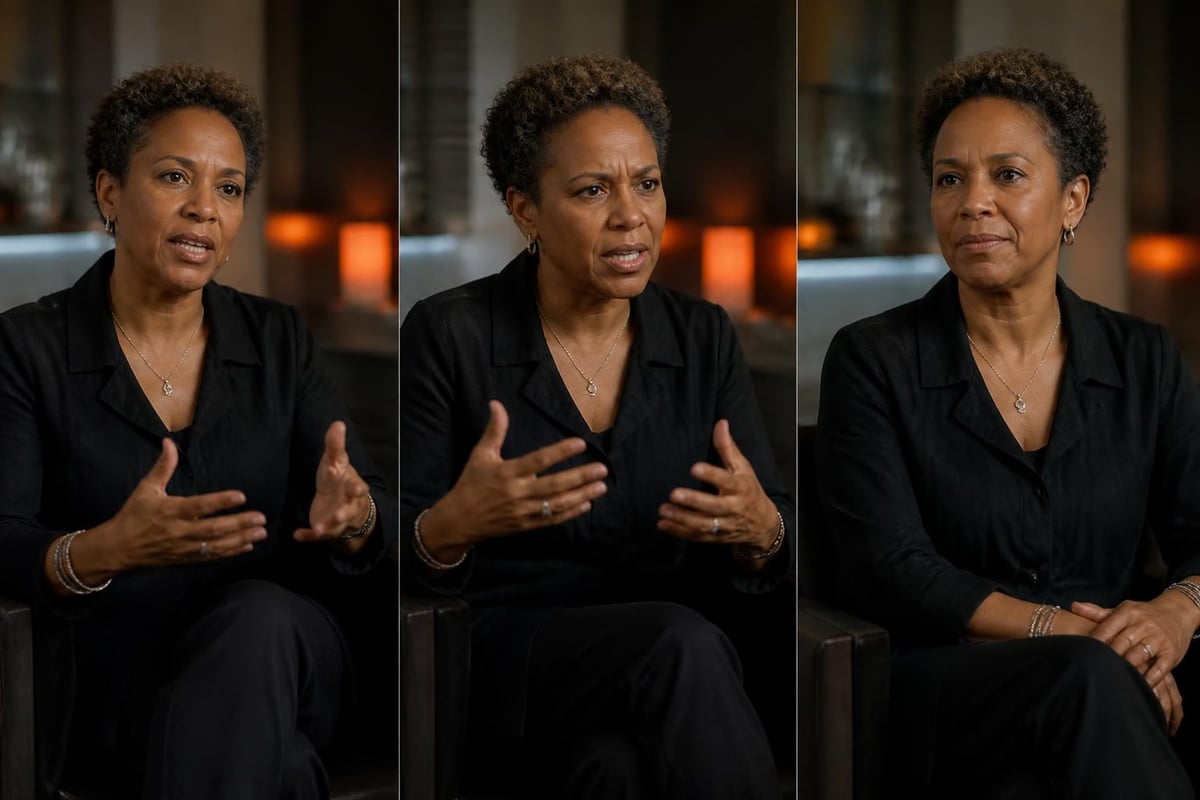
Effective storytelling for tv interviews requires a structured approach that feels natural on camera. The framework consists of three essential components that work together to create memorable, quotable segments.
The Hook grabs attention within the first five seconds. This isn't a throat-clearing introduction or a thank-you to the host. It's an immediate statement that creates curiosity or emotional connection. Consider these opening approaches:
- Start with a surprising statistic that challenges conventional wisdom
- Lead with a provocative question that frames the entire discussion
- Open with a vivid moment from a client transformation story
- Begin with a confession or vulnerable admission that humanizes your expertise
The Journey provides the substance that validates your authority while maintaining narrative momentum. This middle section connects your personal experience or client stories to broader principles that viewers can apply. The key is balancing specificity with universality so the story remains relatable while demonstrating depth of knowledge.
The Takeaway delivers immediate value viewers can implement. Television audiences want actionable insights, not theoretical frameworks. Every story should conclude with a clear lesson, strategy, or mindset shift that feels attainable. This is where storytelling for tv interviews creates tangible business results because viewers remember practical wisdom wrapped in narrative context.
| Framework Element | Time Allocation | Primary Purpose | Common Mistakes |
|---|---|---|---|
| The Hook | 5-10 seconds | Capture attention | Being too polite, burying the lead |
| The Journey | 30-45 seconds | Build credibility through story | Using jargon, losing narrative thread |
| The Takeaway | 10-15 seconds | Deliver actionable value | Being too vague, overselling |
Translating Expertise Into Visual Narratives
The shift from written or verbal expertise to television requires thinking in visual terms. Print interviews allow readers to pause, re-read, and digest complex ideas at their own pace. Radio relies on vocal tonality and extended conversation. Television demands visual storytelling that communicates meaning through multiple channels simultaneously.
When preparing for on-camera work, think about how your stories create mental images for viewers. Instead of saying "we improved operational efficiency," describe the warehouse floor at 3 AM when the breakthrough happened. Rather than discussing "client transformation," paint the picture of the CEO's face when they realized their market position had shifted.
Modern TV newsrooms are adapting storytelling formats for multiple platforms, which means your interview content needs to work across traditional broadcast and digital distribution. Stories with strong visual components and emotional beats travel further across social media, extending your authority beyond the initial airtime.
Building Your Story Bank
Professional authorities maintain a curated collection of stories that demonstrate different facets of their expertise. This story bank becomes your preparation foundation, allowing you to respond naturally to various interview directions while maintaining narrative quality.
Develop at least five signature stories across these categories:
- Origin stories that explain how you discovered your methodology or entered your field
- Client transformation stories that showcase specific results and overcome skepticism
- Failure and recovery stories that build trust through vulnerability and lessons learned
- Industry insight stories that position you as an insider with unique perspective
- Future trend stories that establish thought leadership and forward vision
Each story should clock in at 60-90 seconds when delivered conversationally. Practice condensing them for 30-second response windows without losing narrative structure. The ability to flex story length while maintaining emotional arc separates amateur guests from authority-building professionals.
Mastering the Technical Elements of On-Camera Storytelling
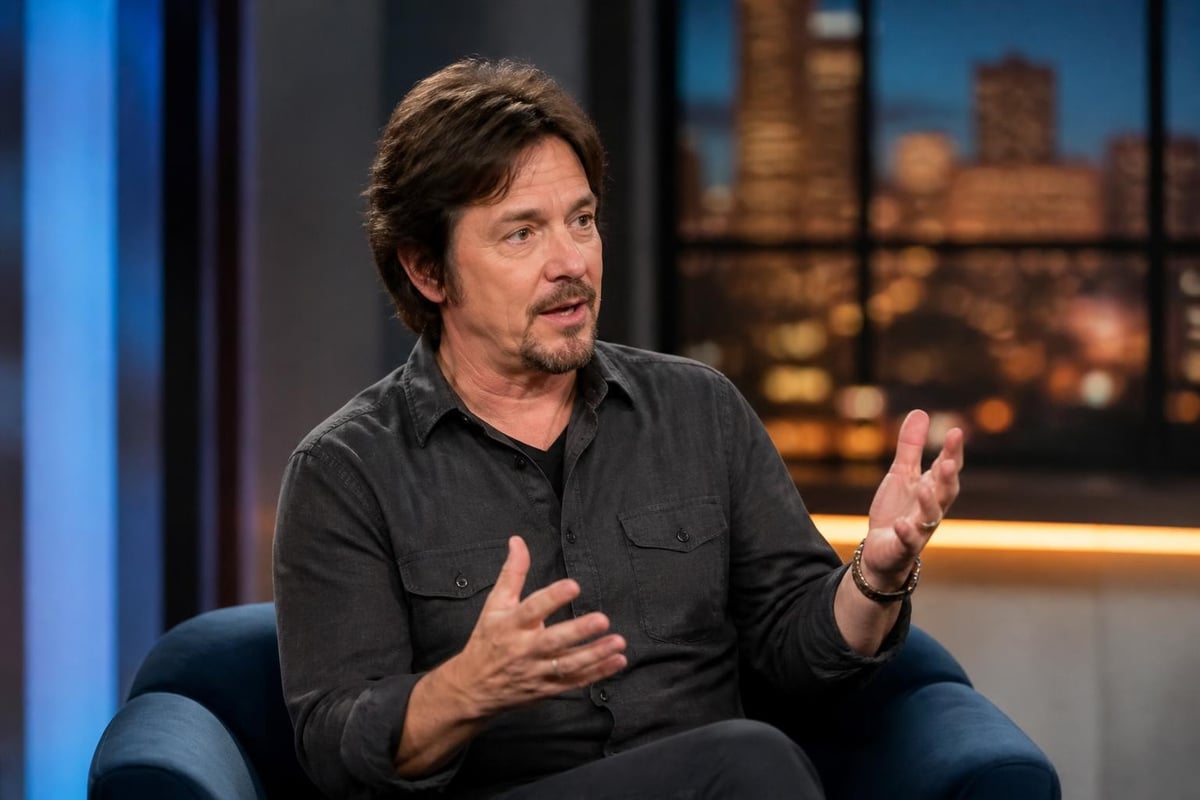
Storytelling for tv interviews extends beyond narrative structure to include technical execution that enhances or undermines your message. Body language, vocal delivery, and eye contact work together to amplify story impact or create distracting noise that dilutes your authority.
Vocal pacing controls narrative tension and viewer engagement. Many experts speak too quickly when nervous, compressing their stories into rushed monologues that blur together. Strategic pausing after key statements allows viewers to process information and creates natural emphasis. Varying your pace between urgent moments and reflective passages maintains audio interest across longer segments.
Physical storytelling uses gesture and posture to reinforce narrative beats. When describing a before state, physical positioning can shift slightly backward or contract. As the story moves toward resolution, opening gestures and forward lean communicate positive momentum. These subtle physical cues register subconsciously with viewers, strengthening story comprehension beyond words alone.
Practical preparation for on-camera interviews includes technical setup that supports storytelling rather than fighting against it. Proper microphone placement ensures audio clarity during dramatic pauses. Appropriate camera angles frame gestures effectively without cutting off visual communication.
Anticipating Questions and Pre-Loading Stories
The most effective storytelling for tv interviews happens when experts anticipate likely questions and prepare story-based responses in advance. This isn't about scripting wooden answers or ignoring the host's actual questions. It's about having relevant narratives readily accessible so you can respond naturally without scrambling for examples mid-interview.
Research the show format, previous guest segments, and host interview style. Identify the five to seven questions most likely to surface based on your expertise area and current market trends. For each anticipated question, select your best story from your prepared bank and practice the conversational delivery.
The Redirect Technique
Sometimes interview questions veer into territory where you lack compelling stories or venture outside your core expertise. The redirect technique allows you to acknowledge the question while steering toward stronger narrative ground.
A simple framework: Bridge and Pivot. Bridge with a brief, honest response to the actual question, then pivot to related territory where your storytelling shines. For example: "That's an interesting angle. What I've found even more impactful in this space is…" followed by your prepared story that addresses the broader topic authentically.
This technique maintains conversational flow without appearing evasive or robotic. It demonstrates media savvy that producers respect while ensuring you deliver your strongest material during limited airtime. Building these skills connects directly to developing public speaking and presentation abilities that translate across multiple authority-building platforms.
Converting Interview Stories Into Authority Assets
The storytelling skills you develop for television create compound value across your authority ecosystem. Stories refined for broadcast consumption adapt beautifully to keynote presentations, podcast appearances, and written thought leadership. This cross-platform leverage multiplies the return on your narrative development investment.
Recording your TV appearances provides raw material for social media clips, training content, and sales enablement tools. A single well-crafted story told during a five-minute segment can generate:
- 15-20 social media clips highlighting different story moments
- Email newsletter content demonstrating your expertise
- Website testimonial material when stories feature client outcomes
- Sales conversation openers that build immediate credibility
- Training examples for your team or community
The most successful authorities view each TV interview as content creation that feeds multiple channels rather than a one-time appearance. This strategic approach justifies the preparation time required to master storytelling for tv interviews and creates measurable business impact beyond brand awareness.
Adapting Stories for Different Interview Formats
Television interviews span multiple formats, each requiring storytelling adjustments while maintaining core narrative principles. Morning show segments favor upbeat, practical stories with clear takeaways viewers can implement immediately. News interviews demand tighter, more focused narratives that connect to current events or trending topics.
Talk show appearances allow longer-form storytelling with more personal detail and emotional range. These formats reward vulnerability and humor mixed with expertise. The relaxed pacing means you can develop characters more fully and include tangential details that add color without derailing the main narrative.
Panel discussions require condensed story versions that make room for multiple voices. Your stories need sharper hooks and faster resolutions to maintain floor time without dominating. The skill here involves reading the room and adjusting story length based on host cues and panel dynamics.
Documentary-style interviews permit the most expansive storytelling, often allowing three to five-minute responses. These segments benefit from layered narratives that explore complexity and nuance. However, they still require structure to remain coherent during the editing process.
| Interview Format | Ideal Story Length | Narrative Style | Key Success Factor |
|---|---|---|---|
| Morning Shows | 30-45 seconds | Energetic, practical | Immediate takeaway value |
| News Segments | 20-30 seconds | Focused, authoritative | Relevance to current events |
| Talk Shows | 60-90 seconds | Conversational, personal | Emotional connection |
| Panels | 20-40 seconds | Concise, respectful | Reading room dynamics |
| Documentaries | 2-5 minutes | Reflective, layered | Depth and nuance |
Common Storytelling Pitfalls That Undermine Authority
Even experienced professionals fall into predictable traps that diminish the impact of their storytelling for tv interviews. Recognizing these patterns allows you to course-correct during preparation rather than discovering weaknesses during live segments.
The Resume Recitation occurs when experts confuse credentials with stories. Listing achievements, degrees, or client names provides information but creates no emotional engagement. Viewers don't care where you went to school; they care about the moment your perspective shifted and changed how you serve clients.
The Endless Setup happens when interview subjects provide so much context that the actual story never arrives. You have 60-90 seconds total. If you spend 45 seconds explaining background before reaching the narrative turning point, you've lost the audience and likely exceeded your time allocation.
The Vague Conclusion fails to deliver the promised value after building narrative tension. After investing viewer attention in your story, you must pay off with a clear insight, strategy, or lesson. Trailing off with "so that was really interesting" or "it's something to think about" wastes the authority-building opportunity.
Resources on listening-focused interviewing reveal how the best storytelling emerges from genuine conversation rather than prepared monologues. Practice active listening during interviews so your stories respond directly to the questions asked rather than feeling like pre-packaged inserts.
Practice Techniques That Build Storytelling Reflexes
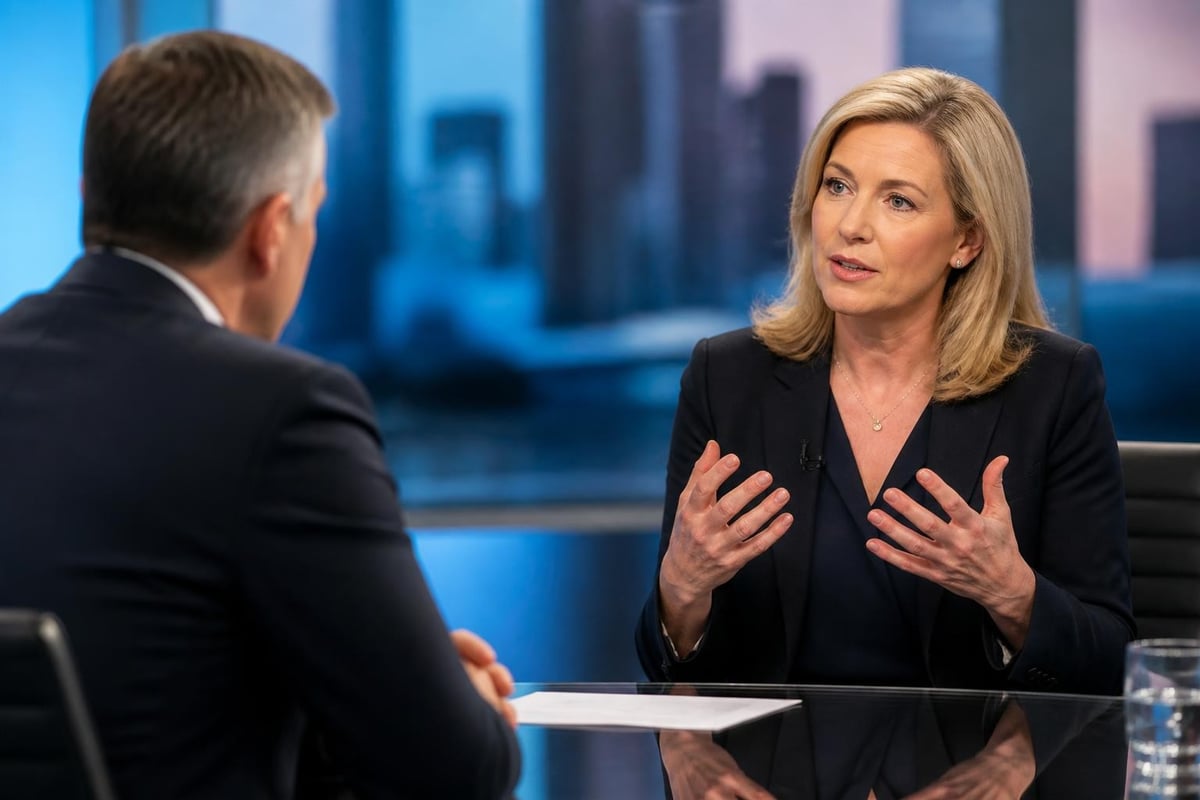
Mastering storytelling for tv interviews requires deliberate practice that simulates actual broadcast conditions. Reading about narrative technique provides intellectual understanding, but embodied skill comes from repetition under realistic constraints.
The 60-Second Story Challenge builds condensation skills essential for television pacing. Set a timer and practice delivering complete stories with hook, journey, and takeaway within one minute. Record yourself and review for filler words, rushed sections, or incomplete conclusions. Repeat until the story feels natural at this compressed length.
The Surprise Question Drill develops adaptability and prevents over-rehearsed delivery. Have a colleague ask unexpected questions related to your expertise. Practice finding story-based responses without defaulting to theoretical answers or bullet-point lists. This drill strengthens your ability to access your story bank spontaneously.
The Visual Description Exercise enhances your ability to create mental images for viewers. Take one of your standard stories and rewrite it focusing exclusively on sensory details: what you saw, heard, felt during key moments. Then practice weaving these visual elements into your verbal delivery without overloading the narrative.
For those who feel public speaking is a weakness, these structured exercises provide concrete improvement pathways. The skills transfer directly to other speaking opportunities beyond television, building comprehensive communication authority.
Preparing for Interview Day: The Final Checklist
The days immediately before a TV interview determine whether your storytelling preparation translates to on-camera performance. Video shoot preparation guidelines emphasize logistical details that support rather than sabotage your narrative delivery.
Review your story bank the night before, but avoid over-rehearsing individual stories word-for-word. Over-preparation creates robotic delivery that signals discomfort rather than authority. Instead, rehearse the emotional journey and key plot points, allowing spontaneous word choice during the actual interview.
Physical preparation matters more than most experts realize. Adequate sleep, hydration, and avoiding heavy meals before filming prevent energy crashes mid-interview. Your storytelling sparkle disappears when your body fights fatigue or digestive discomfort.
Wardrobe decisions should support rather than distract from your stories. Solid colors work better than busy patterns on camera. Avoid jewelry that creates audio interference or clothing that requires constant adjustment. The goal is invisible professionalism that keeps focus on your narrative content.
Arrive early enough to acclimate to the studio environment without rushing. Familiarity with the physical space reduces anxiety that can fragment your storytelling flow. Use the extra time to center yourself mentally and review your core message rather than cramming additional content.
Measuring Storytelling Impact Beyond Airtime
The true test of effective storytelling for tv interviews appears in measurable business outcomes, not just successful segment completion. Track specific metrics that connect television appearances to authority-building results and client acquisition.
Inbound inquiry tracking reveals whether your stories resonated with the right audience. Monitor the volume and quality of business inquiries in the 72 hours following an interview. Note which specific stories or topics prospects mention when reaching out, indicating which narratives created the strongest connection.
Social media engagement patterns show how your interview stories travel beyond the initial broadcast. Pay attention to which moments get clipped, shared, and commented on across platforms. High engagement on specific story segments indicates narrative power that you should replicate in future appearances.
Speaking and media invitation increases signal growing recognition of your storytelling ability. Producers talk to other producers. When you deliver compelling stories that make their jobs easier and their segments more engaging, you become the expert they recommend to colleagues seeking similar content.
Professional authorities understand that media appearances and podcast interviews compound over time. Each appearance refines your storytelling technique while expanding your visibility to new audience segments. The combination creates momentum that separates occasional guests from recognized industry authorities.
Advanced Storytelling Techniques for Seasoned Experts
Once you've mastered foundational storytelling for tv interviews, advanced techniques separate good television guests from exceptional authority builders who command premium positioning and appearance fees.
The Nested Story Technique layers a personal anecdote inside a client case study inside a broader industry trend. This structure demonstrates expertise across multiple dimensions while maintaining narrative flow. The key is clear signposting so viewers can follow the embedded structure without confusion.
The Callback Method references an earlier story or statement later in the interview, creating continuity and sophisticated narrative architecture. When a host asks a follow-up question 10 minutes into a segment, connecting back to your opening story demonstrates media savvy and creates satisfying narrative closure.
Strategic Vulnerability builds trust through careful disclosure of failures, doubts, or learning curves in your professional journey. The distinction between strategic and oversharing lies in maintaining focus on lessons learned and outcomes achieved rather than dwelling on the struggle itself.
Scriptwriting techniques for audio and video provide frameworks for turning raw interview material into polished narrative segments. Understanding these production perspectives helps you deliver content that requires minimal editing while maintaining story integrity.
Building Long-Term Media Relationships Through Consistent Storytelling
The ultimate goal of mastering storytelling for tv interviews extends beyond individual appearances to establishing recurring expert status across multiple shows and networks. This elevation requires consistency in both story quality and professional reliability.
Producer memory banks catalog which experts deliver usable content versus which require extensive editing or create on-set challenges. When you consistently provide tight, compelling stories that fit segment parameters and resonate with audiences, you become a go-to resource for breaking news, seasonal topics, or ongoing series.
Audience recognition builds gradually as viewers encounter your stories across multiple appearances and platforms. The compound effect of consistent storytelling creates familiarity that translates to trust. New viewers perceive you as an established authority because they've absorbed your narrative approach even if they can't recall specific previous segments.
NPR’s approach to conversational interviews demonstrates how story-driven dialogue creates compelling content that keeps audiences engaged. Studying successful broadcast formats reveals patterns you can adapt to your expertise area and interview style.
The relationship between storytelling excellence and business outcomes becomes clearer as your media presence matures. Clients seeking premium expertise gravitate toward authorities who communicate through compelling narratives rather than dry technical explanations. Your television storytelling ability serves as proof of your capacity to translate complex concepts into accessible wisdom that creates tangible value.
Integrating Television Stories Across Your Authority Platform
The stories you refine for television interviews should permeate your entire authority-building ecosystem. This integration creates consistency that reinforces your expert positioning across every touchpoint where prospects encounter your brand.
Keynote presentations benefit directly from story structures developed for broadcast. The same narratives that capture television viewers in seven seconds command conference audience attention from the opening moments. The skills transfer seamlessly with minor adjustments for live audience interaction versus camera delivery.
Written content gains immediacy and emotional resonance when you translate your verbal stories into article format. Blog posts, books, and thought leadership pieces often suffer from academic tone that television training naturally corrects. Your broadcast storytelling voice translates to more engaging written material that readers actually finish.
Sales conversations become consultative rather than transactional when you deploy the same story framework that works on camera. Client calls where you share relevant transformation stories create connection that positions you as trusted advisor rather than vendor. The authority built through television appearances provides instant credibility that makes prospects receptive to your narrative approach.
This cross-platform consistency accelerates authority building because prospects encounter the same compelling stories whether they discover you through media coverage, conference presentations, or written content. The repetition across contexts reinforces your expert positioning without feeling redundant because each platform adds unique context.
Mastering storytelling for tv interviews transforms how audiences, producers, and potential clients perceive your expertise, creating measurable business impact that extends far beyond individual segment airtime. The narrative frameworks, technical skills, and strategic approaches outlined here provide the foundation for becoming the authority that television bookers seek out and viewers remember.
If you're ready to leverage television interviews as a strategic authority-building platform, Mitch Carson specializes in helping CEOs, authors, and industry experts secure guaranteed TV placements while developing the on-camera storytelling skills that convert appearances into client acquisition and market leadership. Through the BookedForTV™ Guaranteed Placement System, you'll gain producer-ready positioning and the narrative techniques that make you an irresistible guest for shows seeking compelling, story-driven content.