Understanding the Strategic Value of Television Appearances
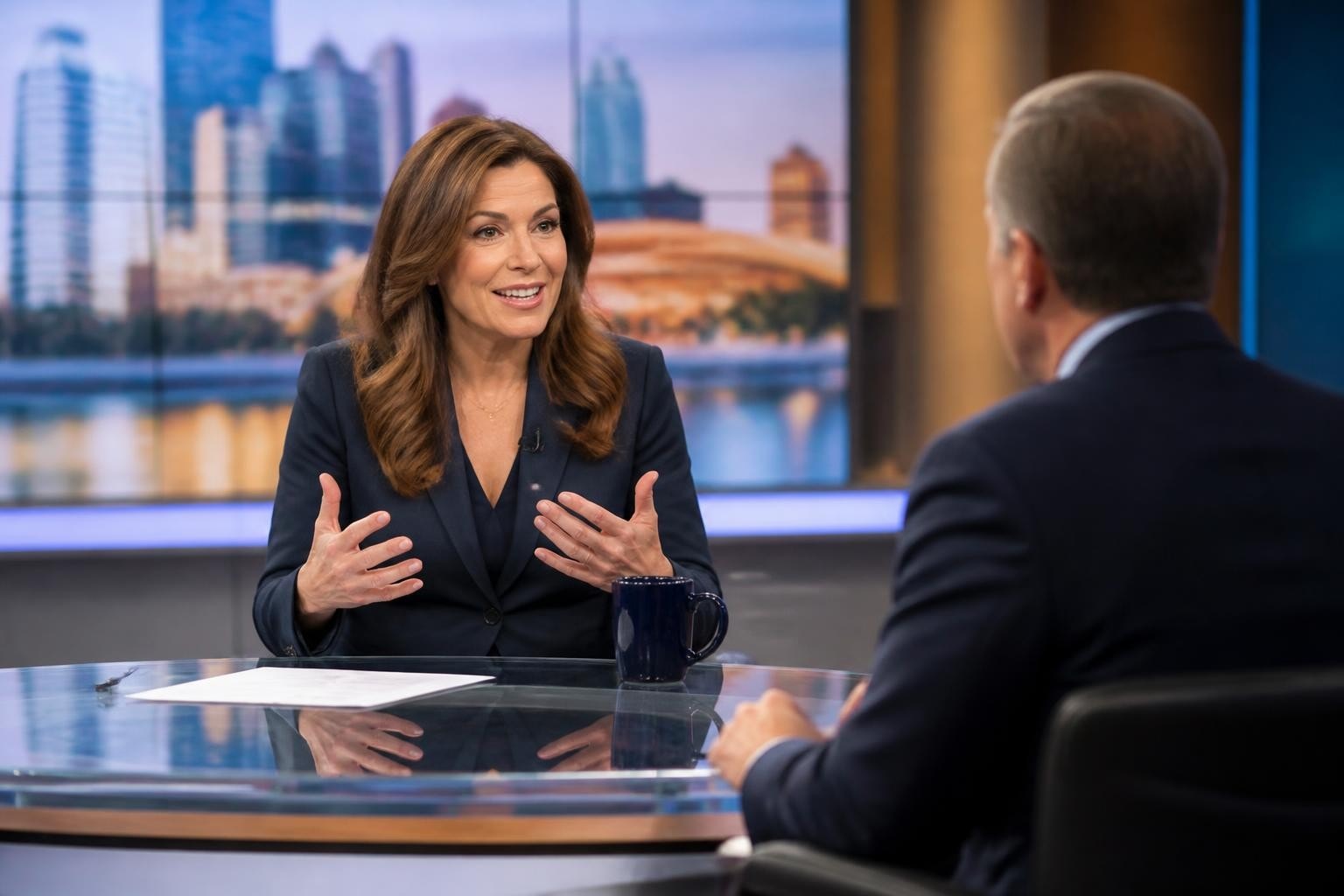
Television interviews deliver credibility that no amount of social media content can match. When viewers see you on their screens, you inherit the authority of the network itself. This borrowed credibility opens doors to premium clients, speaking opportunities, and strategic partnerships that remain closed to experts who only exist online.
The compound effect of television visibility includes:
- Immediate positioning as an industry leader among prospects and competitors
- Enhanced perceived expertise that commands premium pricing
- Content assets for marketing across multiple platforms
- Network relationships that lead to repeat bookings and referrals
- Search engine optimization benefits from media mentions and backlinks
Beyond immediate visibility, strategic media interview preparation creates long-term assets. A single strong TV appearance becomes promotional content for years, supporting book launches, course sales, and client acquisition. The key lies in treating each interview as both a performance and a strategic business initiative.

Pre-Interview Preparation That Separates Experts from Amateurs
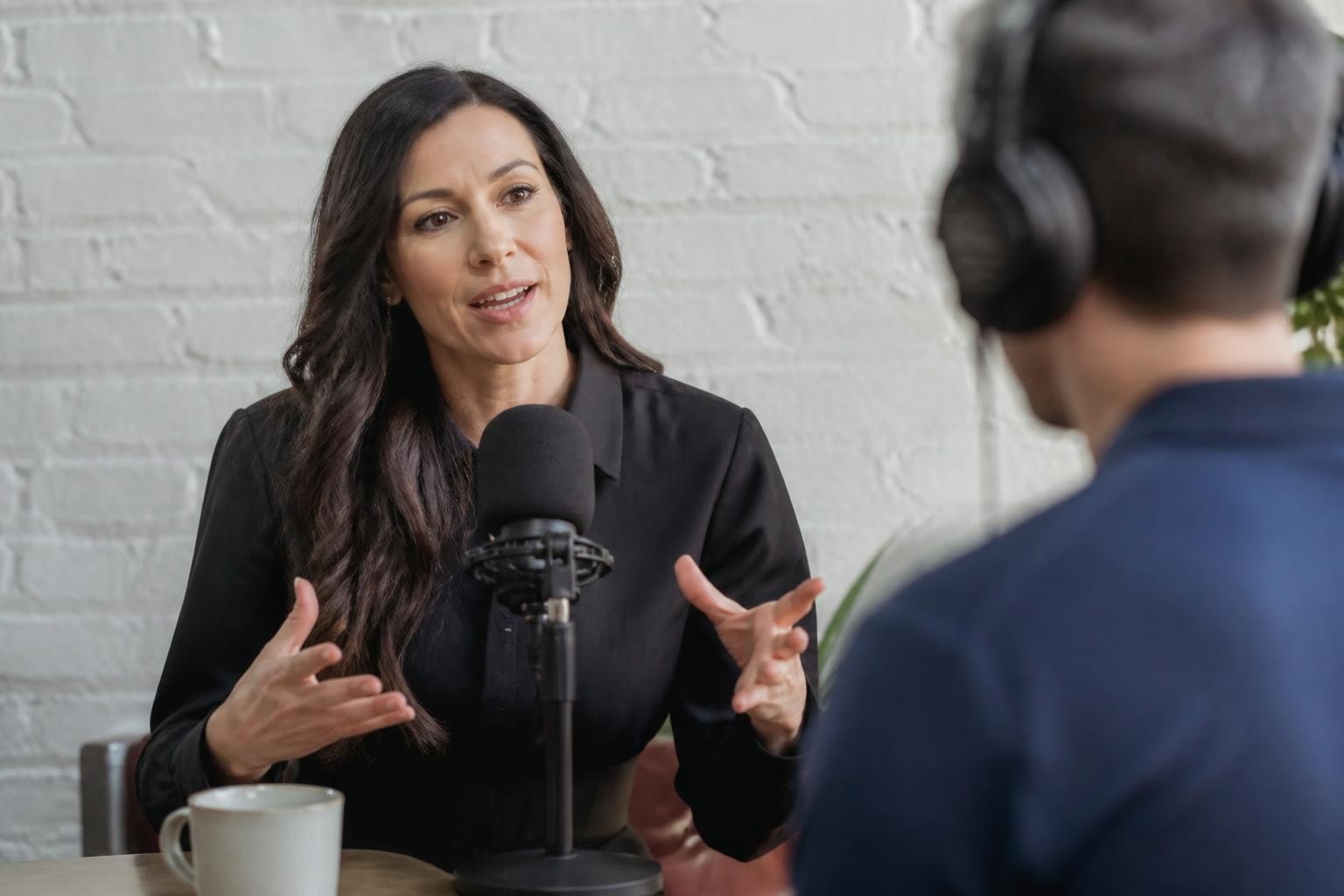
Effective media training for tv interview preparation begins weeks before you step in front of cameras. Professional preparation involves three distinct phases: message architecture, logistical coordination, and technical rehearsal. Each phase builds confidence while reducing the cognitive load during the actual interview.
Developing Your Core Message Framework
Your television message must be dramatically different from how you communicate in long-form content or consulting engagements. Television demands compression, clarity, and conversational energy. Start by identifying the three key points you want viewers to remember 24 hours after watching.
These points should align with your authority positioning while addressing viewer problems directly. Avoid industry jargon, complex frameworks, or abstract concepts. Instead, focus on tangible outcomes, surprising insights, and memorable analogies that make your expertise accessible.
| Message Element | Purpose | Example |
|---|---|---|
| Hook Statement | Capture attention in 10 seconds | “Most companies waste 70% of their marketing budget on strategies that worked in 2020” |
| Core Insight | Demonstrate unique perspective | “The shift from interruption to invitation changed everything” |
| Action Step | Give viewers something to do | “Audit your content for conversation versus conversion ratio” |
Practice delivering each message point in 30 seconds or less. This constraint forces clarity and prevents rambling, which kills on-camera energy. Record yourself and ruthlessly edit anything that doesn’t serve your positioning or help viewers.
Technical and Logistical Coordination
Understanding the interview format, duration, and context shapes every aspect of your preparation. A three-minute morning show segment requires completely different preparation than a 20-minute industry panel. Confirm these details early and adjust your strategy accordingly.
Request background information about the host, recent episodes, and typical viewer demographics. This research reveals what producers want and how to position your expertise as the perfect fit for their audience. Never assume you know what the show needs without asking specific questions.
Mastering On-Camera Performance Techniques
Physical presence and delivery technique matter more on television than in any other medium. Viewers make credibility judgments within seconds based on factors you might consider superficial. Media training for tv interview excellence addresses these visual and vocal elements systematically.
Body Language and Visual Communication
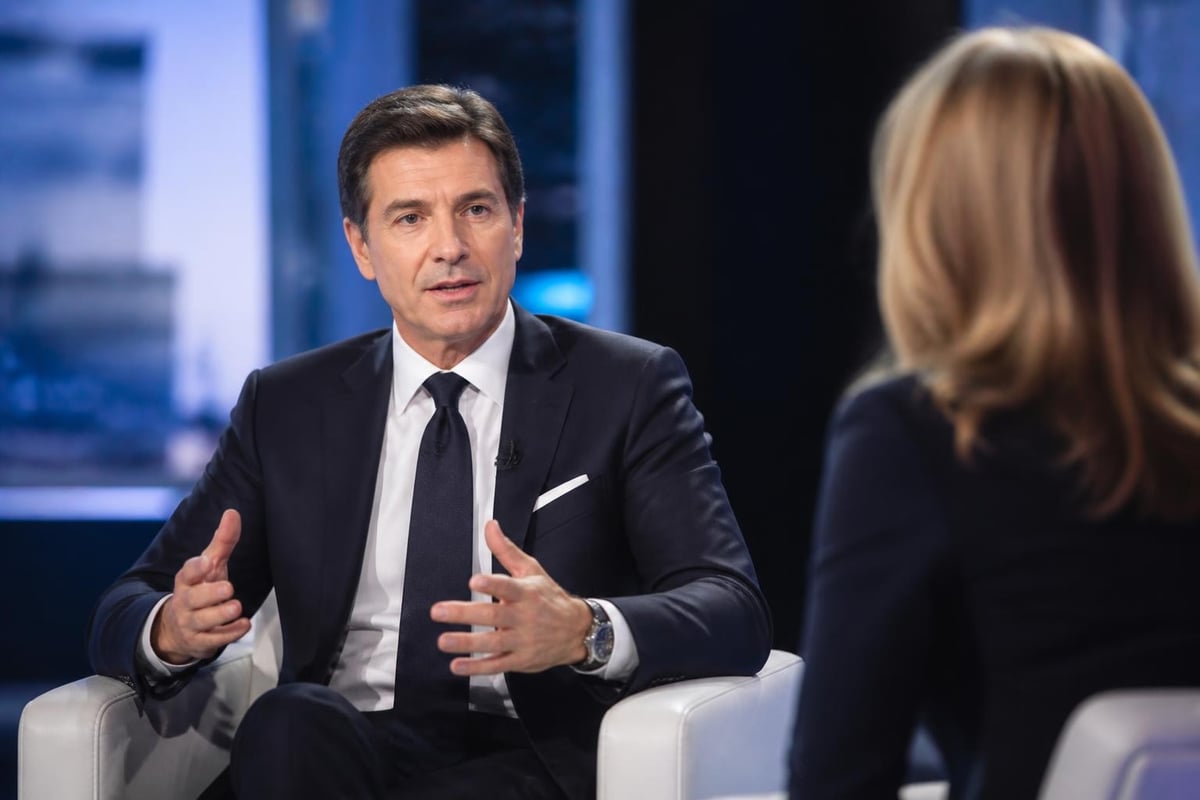
Your body communicates before you speak a single word. Posture, gestures, facial expressions, and eye contact either reinforce or undermine your message. Professional media trainers emphasize that maintaining appropriate eye contact with the interviewer creates connection with viewers at home.
Sit forward slightly to project engagement and energy. Keep shoulders back and down to appear confident without seeming arrogant. Use hand gestures to emphasize points, but keep movements controlled and within the frame. Avoid touching your face, adjusting clothing, or fidgeting with objects.
Critical on-camera behaviors include:
- Maintaining steady eye contact with the interviewer, not the camera
- Smiling naturally when appropriate to project warmth
- Nodding occasionally to show active listening
- Keeping hands visible and gestures purposeful
- Managing nervous habits like leg bouncing or pen clicking
Practice these techniques until they become automatic. The goal is to appear natural and conversational while controlling the physical signals that communicate authority and credibility.
Vocal Delivery and Pacing
Your voice carries as much information as your words. Monotone delivery, regardless of content quality, fails to hold viewer attention. Vary your pitch, pace, and volume to create vocal interest. Speed up slightly when building to a key point, then slow down to emphasize the insight itself.
Project energy that matches or slightly exceeds the show’s typical tone. Morning shows demand brighter energy than evening news programs. Listen to previous episodes to calibrate appropriately. Remember that television compresses energy, so what feels like 120% enthusiasm in person translates to appropriate engagement on screen.
Eliminate filler words like “um,” “uh,” and “you know” through deliberate practice. These verbal tics undermine perceived expertise and distract viewers from your message. Brief pauses create more authority than filled silences. When you need a moment to think, simply pause rather than filling the space with sounds.
Navigating Different Interview Formats and Scenarios
Television interviews vary dramatically in structure, expectations, and pressure levels. Media training for tv interview success prepares you for multiple scenarios so you can adapt confidently regardless of what you encounter.
Live Versus Recorded Interviews
Live interviews eliminate the safety net of editing but offer authenticity that resonates powerfully with viewers. Mistakes cannot be corrected, so preparation becomes critical. However, the spontaneity of live television often creates memorable moments that edited segments lack.
Approach live interviews with extra emphasis on message discipline. Know your three key points cold. If you stumble, acknowledge it briefly with humor if appropriate, then move forward. Producers and viewers appreciate authenticity more than perfection.
Recorded interviews provide opportunities for multiple takes and editing, but this can create a different trap. Don’t rely on editing to fix problems. Deliver each answer as if it’s live, maintaining energy and precision throughout. Understanding these format differences helps you calibrate your approach appropriately.
Handling Difficult Questions and Pivoting Effectively
Even friendly interviews sometimes include challenging questions. Effective pivoting allows you to acknowledge the question while transitioning to your prepared messages. The bridge technique works reliably: validate the question, provide a brief response, then connect to your key point.
Example pivot structure:
- “That’s an important consideration…”
- [Brief acknowledgment of the question]
- “What’s even more significant is…”
- [Transition to your core message]
Never say “no comment” or appear defensive. These responses create suspicion even when you’ve done nothing wrong. Instead, reframe questions toward areas where you have expertise and authority. This maintains control while respecting the interviewer’s role.
Advanced Techniques for Maximum Impact
Once you master fundamentals, advanced techniques separate good interviews from exceptional ones that generate business results and repeat bookings. These strategies require practice but create disproportionate returns.
Creating Soundbite-Worthy Moments
Producers love guests who deliver memorable soundbites because these clips extend reach through social media and promotional materials. Craft specific phrases designed for sharing. Use the “power of three” structure, unexpected statistics, or vivid metaphors that stick in memory.
| Technique | Application | Result |
|---|---|---|
| Contrast Statement | “The old approach was X, the new reality is Y” | Clear before/after positioning |
| Surprising Statistic | “87% of executives are doing the opposite of what works” | Attention and credibility |
| Memorable Metaphor | “Building authority without media is like fishing in a bathtub” | Visual and shareable |
Practice delivering these moments with natural energy. Soundbites that feel forced or rehearsed lose impact. The best ones emerge from genuine conviction about your message while being strategically constructed.
Building Rapport with Hosts and Producers
The interview begins long before cameras roll. How you interact with producers, crew members, and hosts during setup influences the interview atmosphere. Professional preparation includes arriving early, being friendly but professional, and making the host’s job easier.
Provide producers with suggested questions, background materials, and clear talking points. This isn’t controlling the interview but making their preparation more efficient. Hosts appreciate guests who understand the show’s format and audience, allowing them to focus on conversation rather than basic setup.
Thank crew members, maintain positive energy during technical delays, and treat everyone with respect. Television studios talk, and guests who create pleasant experiences get invited back. Your goal extends beyond a single interview to building relationships that generate ongoing opportunities.
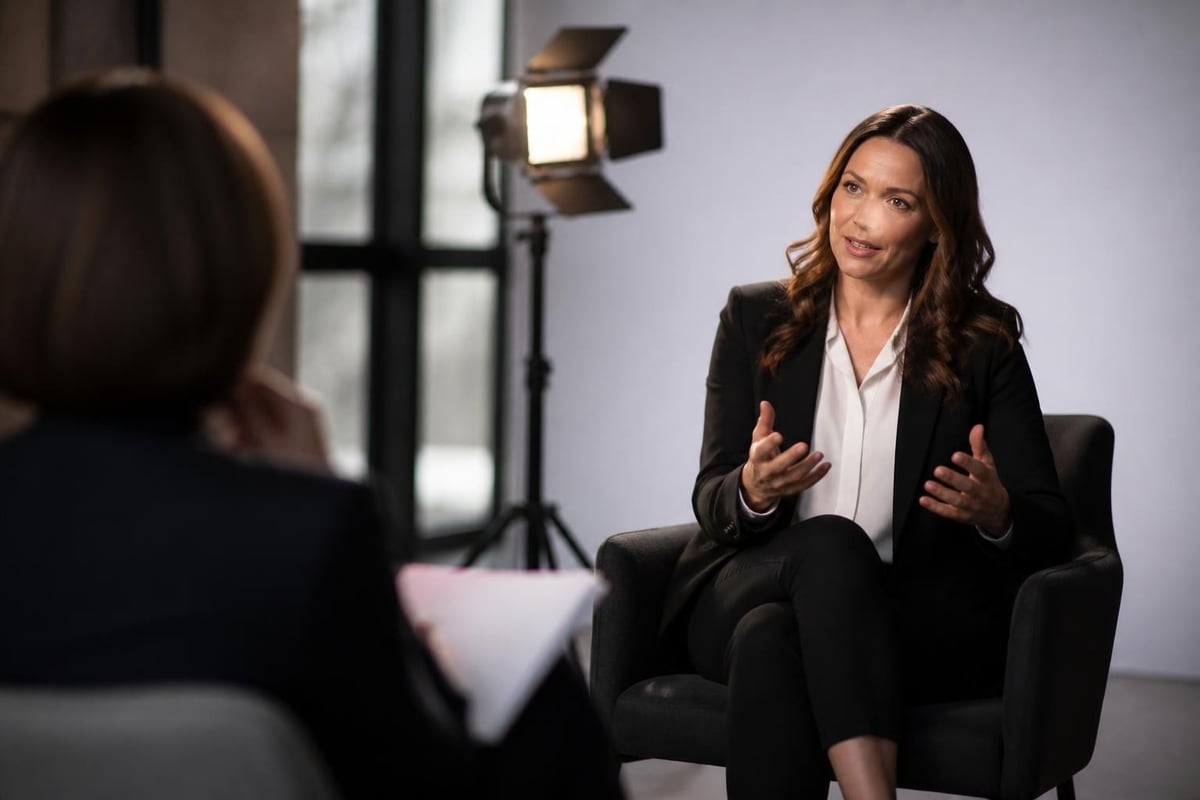
Appearance and Presentation Essentials
Visual presentation decisions impact perceived credibility significantly. What you wear, how you’re styled, and your overall polish level send immediate signals to viewers about your professionalism and authority.
Wardrobe Selection for Television
Solid colors in medium tones work best for most television formats. Avoid pure white, black, or busy patterns that create visual noise on camera. Blues, grays, and earth tones photograph well while projecting authority. Your clothing should be one step more formal than the show’s typical guest to signal that you take the opportunity seriously.
Television wardrobe guidelines:
- Choose solid colors that complement your skin tone
- Avoid busy patterns, thin stripes, or small checks
- Ensure clothing fits properly without pulling or bunching
- Remove distracting jewelry that might catch lights or make noise
- Keep makeup professional but natural for both men and women
Test your wardrobe on camera before the actual interview. What looks professional in person sometimes photographs differently under studio lights. Make adjustments based on how you appear on screen rather than in the mirror.
Grooming and Final Preparations
Professional grooming demonstrates respect for the opportunity and audience. Get a haircut several days before the interview, not the day of, so it looks natural. Address appearance details like lint removal, shoe polish, and wrinkle-free clothing as part of your pre-interview checklist.
Studios often provide makeup artists, but arrive with a basic understanding of what you need. Men typically require powder to reduce shine. Women should wear slightly more makeup than daily wear to avoid washing out under lights. Keep the look polished but natural, supporting rather than distracting from your message.
Practicing Until Performance Becomes Natural
Media training for tv interview mastery requires repetition under realistic conditions. Reading tips provides knowledge, but only practice builds performance capability. Create practice sessions that simulate actual interview pressure and technical constraints.
Structured Practice Methodologies
Record yourself answering common industry questions using your phone or webcam. Watch the recordings with sound off first to evaluate body language and visual presence. Then watch with sound to assess message clarity and vocal delivery. This two-pass approach reveals issues you might miss when evaluating everything simultaneously.
Schedule mock interviews with colleagues or professional trainers who can provide objective feedback. Real preparation includes practicing with actual cameras, lights, and time constraints similar to what you’ll face. This reduces the cognitive shock when you enter the real studio environment.
Effective practice session structure:
- Warm up with breathing exercises and vocal preparation
- Practice delivering each key message in 30-second segments
- Record full-length mock interviews with realistic questions
- Review recordings and identify specific improvements
- Repeat until techniques become automatic behaviors
Aim for at least five full practice sessions before your first television appearance. Subsequent interviews require less preparation, but never walk into a studio without recent practice. Skills degrade quickly without maintenance.
Getting Comfortable with Technical Elements
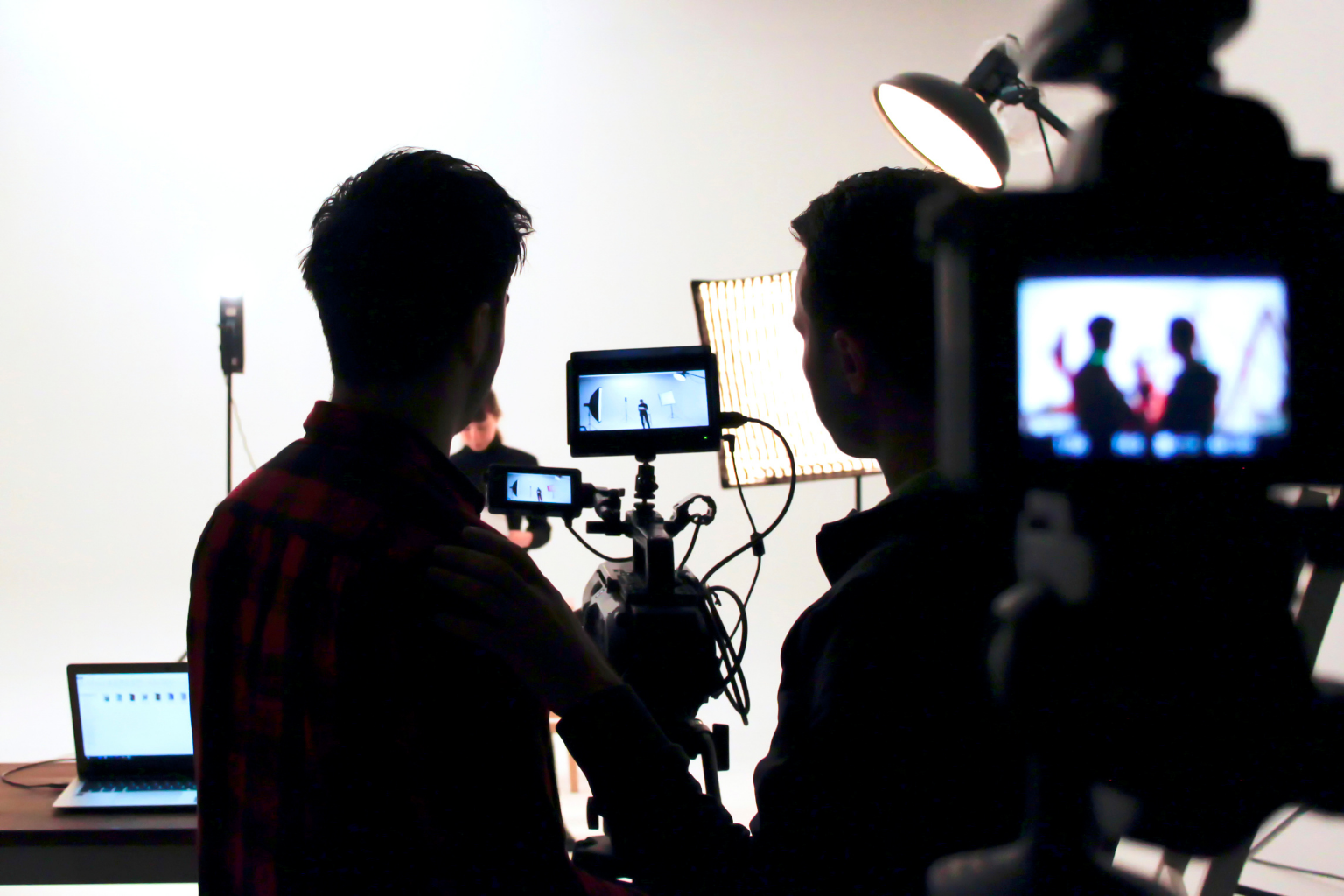
Television studios contain distracting technical elements: bright lights, multiple cameras, crew members moving around, and the host wearing an earpiece receiving producer instructions. Familiarity with these elements prevents them from disrupting your performance.
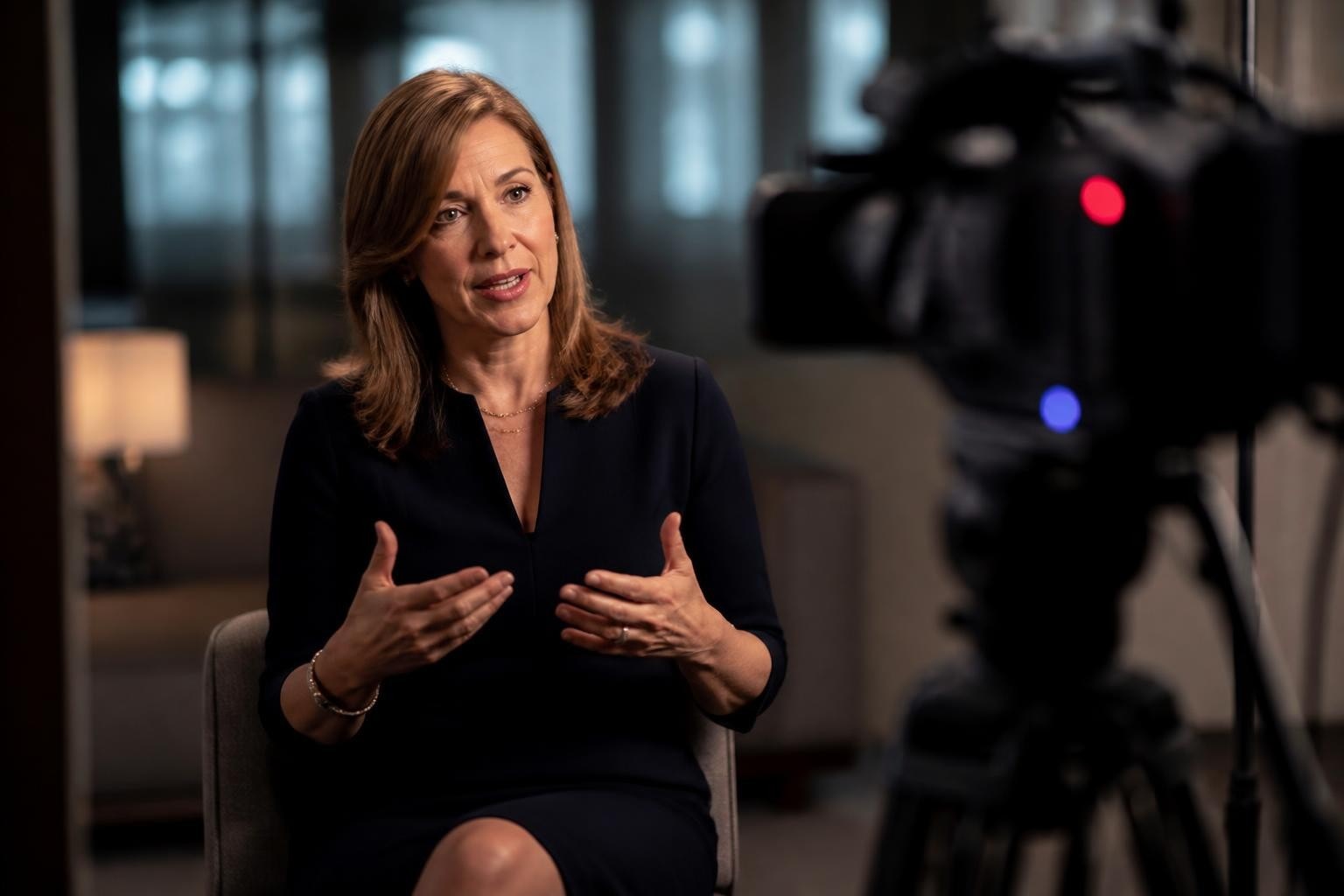
Visit studios before interview days when possible, or watch behind-the-scenes content to understand typical setups. Know that red lights on cameras indicate which one is recording. Understand that you’ll likely wear a lavalier microphone clipped to your clothing. Practice ignoring technical distractions while maintaining focus on the conversation.
Post-Interview Leverage and Relationship Building
The interview itself represents just one phase of the complete media training for tv interview system. What you do after the appearance determines whether it becomes a one-time event or the foundation for ongoing authority building.
Maximizing Content Distribution
Request the video file immediately after the interview airs. Most stations provide this upon request. Use this footage across multiple platforms: website testimonials, social media content, email marketing, and sales presentations. A single strong television appearance can fuel months of marketing activity.
Create multiple content pieces from each interview: pull quotes for graphics, key moments for short video clips, transcripts for blog posts, and soundbites for podcast intros. This multiplication strategy amplifies the return on your preparation investment.
| Distribution Channel | Content Format | Strategic Purpose |
|---|---|---|
| 60-second highlight clip | Professional credibility building | |
| Website | Full interview embed | Authority demonstration for prospects |
| Email Signature | “As Seen On” badge with link | Ongoing credibility signaling |
| Sales Presentations | Key moment clips | Overcoming objections with third-party validation |
Tag the network, host, and producers when sharing clips on social media. This maintains visibility with the team and increases likelihood of future bookings. Express genuine appreciation for the opportunity while demonstrating that you’re actively promoting the content.
Nurturing Producer Relationships
Send thank-you notes to producers within 24 hours of the interview. Reference specific moments from the conversation and express willingness to return when relevant topics arise. Provide your contact information and expertise areas for future reference.
Share the interview across your platforms and mention the positive experience. Producers track how guests promote appearances, and those who actively share content become preferred contacts for future opportunities. Position yourself as someone who makes their job easier while delivering value to viewers.
Monitor upcoming show topics and proactively suggest your expertise when relevant. Don’t pitch constantly, but strategic outreach demonstrating that you understand their audience needs keeps you top of mind for appropriate opportunities.
Mastering media training for tv interview success requires systematic preparation across message development, technical performance, and relationship building. The expertise you’ve built in your field deserves presentation that matches its value. Mitch Carson specializes in helping CEOs and authors develop the producer-ready positioning and on-camera performance that leads to guaranteed TV placements and lasting authority. Through his BookedForTV™ Guaranteed Placement System, Mitch has helped hundreds of experts secure the television visibility that attracts premium clients and establishes market-leading credibility. Ready to transform your expertise into television opportunities? Mitch Carson can help you become the authority producers call first.