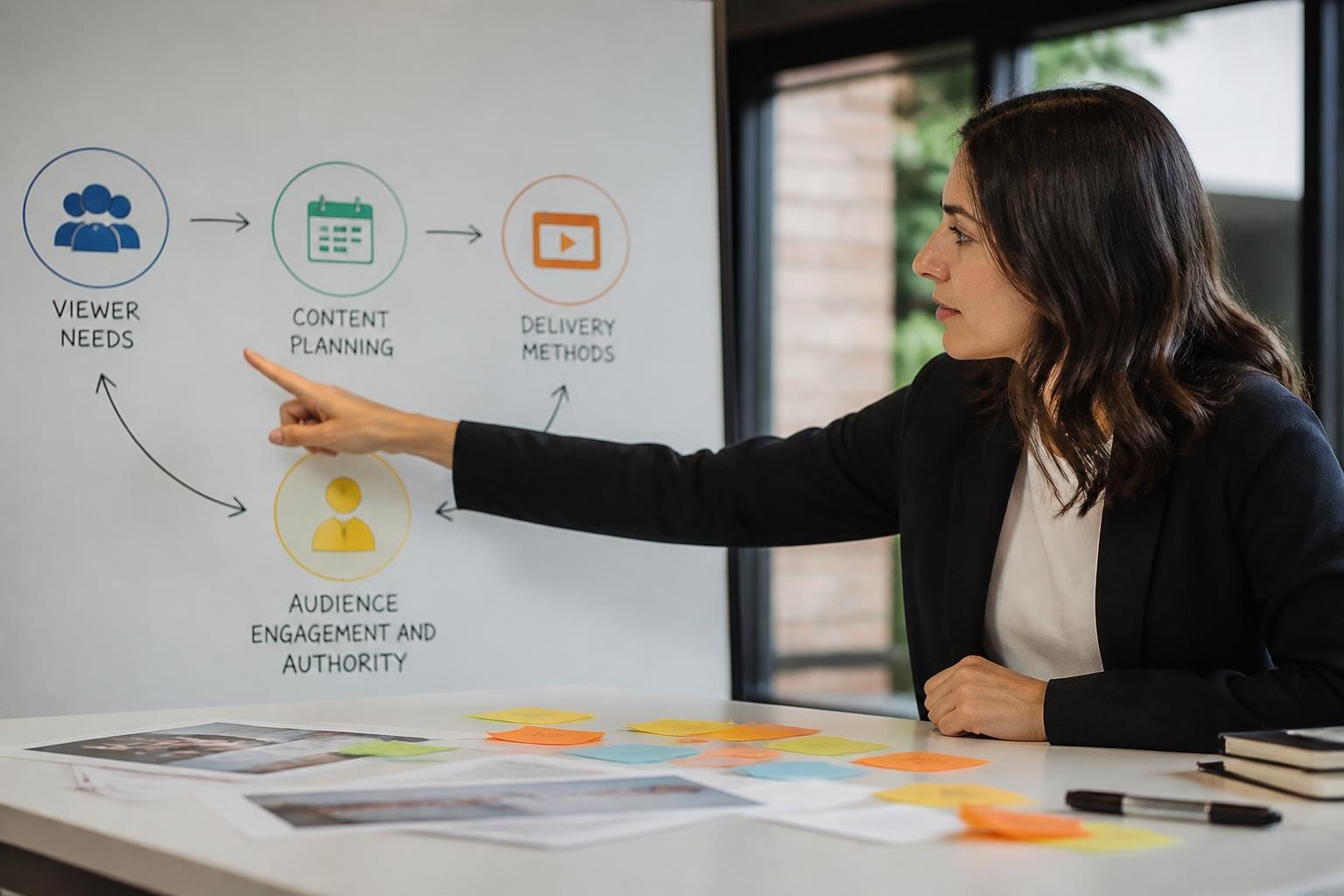
Securing a television interview represents a significant milestone for CEOs, authors, and thought leaders seeking to establish market authority. However, the opportunity means little without proper preparation. Understanding how to prepare for a TV interview transforms nervous anticipation into confident delivery, ensuring your expertise resonates with audiences and positions you as the recognized authority in your field. Whether appearing on local news, national broadcasts, or specialized business programs, systematic preparation separates memorable experts from forgettable guests.
Understanding the Television Interview Format
Television operates under unique constraints that shape every aspect of your interview experience. Producers work within strict time limits, requiring guests to deliver value in compressed segments ranging from two to seven minutes. This reality demands precision in messaging and economy of language.
Live interviews differ fundamentally from recorded segments. Live appearances offer no second chances but provide authenticity that audiences value. Recorded interviews allow producers to edit your responses, meaning your strongest points may be condensed or resequenced. Remote interviews via satellite or video conferencing introduce technical variables while maintaining the same performance standards as in-studio appearances.
The Producer's Perspective
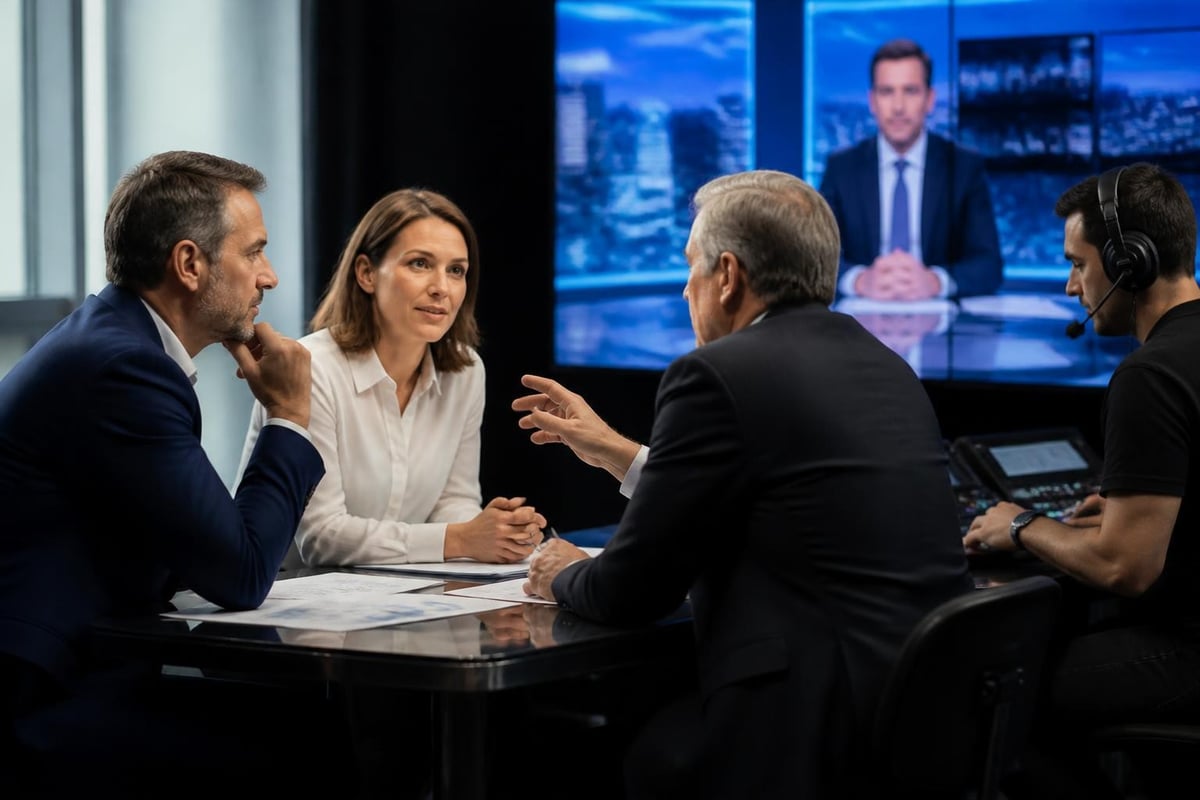
Understanding producer psychology proves essential when learning how to prepare for a TV interview effectively. Producers seek guests who deliver clear, actionable insights without requiring excessive prompting. They value spokespeople who respect time constraints, stay on message, and provide visual energy that translates through the camera.
According to media training best practices from Ragan Communications, producers prioritize guests who understand the show's audience and tailor content accordingly. Your preparation should account for the specific program format, audience demographics, and editorial focus. Research previous episodes to identify question patterns, segment length, and the host's interview style.
Developing Your Core Message Framework
Effective television communication requires distilling complex expertise into memorable, quotable insights. Message mapping provides the architectural foundation for how to prepare for a TV interview with clarity and impact.
Start by identifying three core messages you want every viewer to remember. These messages should:
- Address specific pain points your target audience faces
- Demonstrate your unique methodology or framework
- Provide actionable takeaways viewers can implement immediately
- Differentiate your approach from generic industry advice
Each core message needs supporting evidence. Prepare specific examples, case studies, or statistics that validate your points without overwhelming viewers with data. Television audiences retain stories and metaphors more effectively than abstract concepts.
Crafting Quotable Soundbites
Producers and editors seek compelling soundbites that encapsulate your expertise in fifteen to twenty seconds. These verbal capsules become the promotional clips that drive social media engagement and extend your interview's reach beyond the original broadcast.
Develop five to seven quotable phrases that communicate your methodology, philosophy, or key insights. Test these soundbites by recording yourself delivering them naturally within conversational context. The strongest soundbites balance specificity with universal application, allowing viewers to immediately grasp relevance to their situations.
| Message Element | Weak Example | Strong Example |
|---|---|---|
| Opening Hook | "I help businesses grow" | "We've helped 47 CEOs double their media authority in 90 days" |
| Problem Statement | "Marketing is challenging" | "Most experts remain invisible because they lack producer-ready positioning" |
| Solution Framework | "We use proven strategies" | "The BookedForTV™ System guarantees placement by aligning expert value with producer needs" |
| Call to Action | "Contact us for help" | "Identify your authority blind spots before your next media opportunity" |
Technical Preparation and Logistics
The technical aspects of how to prepare for a TV interview significantly impact your on-camera presence. Different interview formats require specific preparation approaches, from in-studio appearances to remote satellite connections.
Wardrobe and Visual Presentation
Your clothing choices directly affect how cameras render your image. Avoid patterns that create moiré effects on screen, including fine stripes, small checks, or herringbone textures. Solid colors in jewel tones photograph well, while pure white or black can create exposure challenges for camera operators.
Professional wardrobe guidelines include:
- Choose colors that complement your skin tone while providing camera-friendly contrast
- Avoid distracting jewelry, logos, or accessories that draw attention from your face
- Ensure clothing fits properly when seated, as most interviews occur in chair positions
- Remove items from pockets that create bulges or lines visible on camera
- Consider how your outfit reinforces your authority positioning and industry standards
Remote interviews from home offices demand attention to background composition. Position yourself against neutral, uncluttered backgrounds that suggest professionalism without distraction. Ensure adequate lighting from multiple angles eliminates shadows and creates even facial illumination.
Equipment and Connectivity Testing
For remote television appearances, technical failures undermine credibility regardless of message quality. Test your equipment forty-eight hours before the interview and again two hours prior to airtime.
Verify internet bandwidth exceeds minimum requirements for high-definition video transmission. Hardwired ethernet connections provide superior stability compared to WiFi. Position your camera at eye level to maintain natural sight lines with hosts and viewers.
Professional external microphones dramatically improve audio quality over built-in computer microphones. Lavalier microphones or USB condenser microphones ensure clear vocal transmission without ambient noise interference.
Conducting Mock Interview Sessions
Rehearsal distinguishes confident television appearances from awkward, forgettable segments. Understanding how to prepare for a TV interview includes systematic practice that builds muscle memory for common question patterns and challenging scenarios.
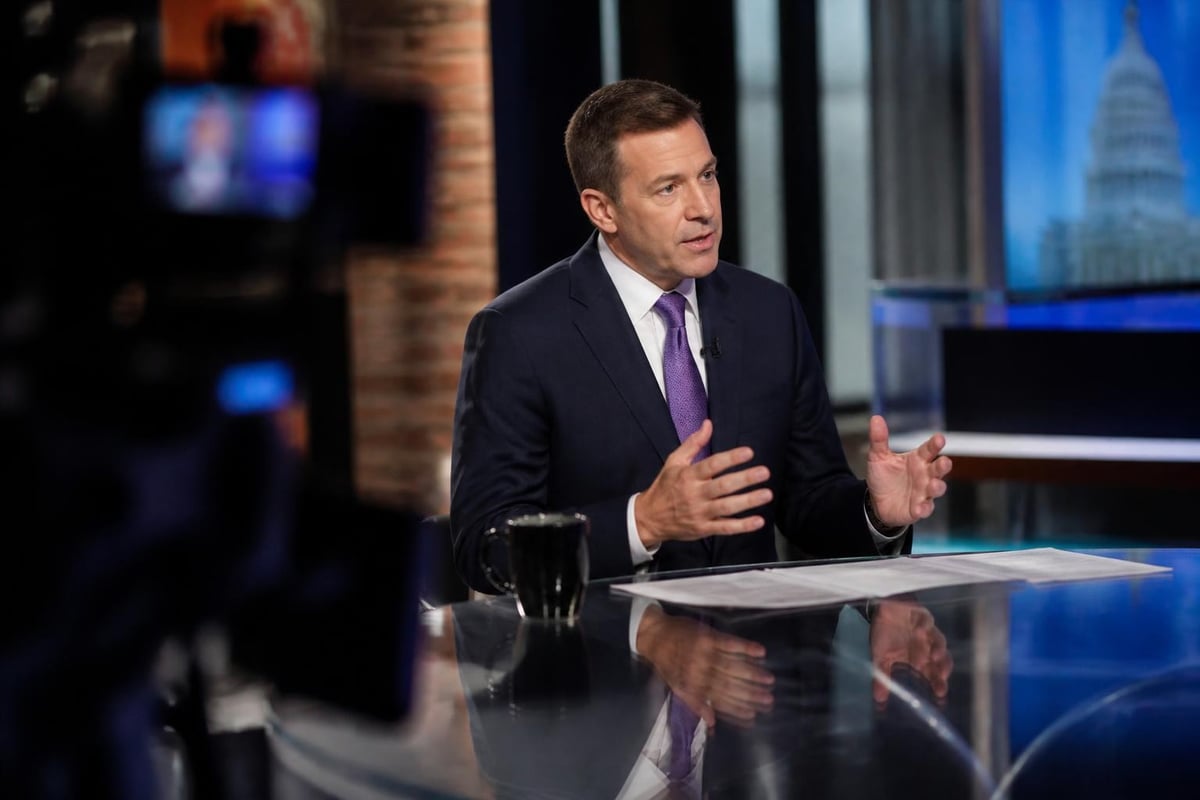
The spokesperson training approach outlined by media professionals emphasizes mock interview sessions that simulate actual broadcast conditions. Record these practice sessions to identify verbal tics, physical distractions, and message clarity issues before appearing on live television.
Simulating Real Interview Conditions
Schedule mock interviews with colleagues or media training specialists who understand broadcast journalism standards. Provide your practice interviewer with background information about your expertise, then allow them to develop questions independently. This approach reveals how interviewers may interpret your positioning and identifies knowledge gaps in your preparation.
Set time constraints matching your actual interview format. Practice delivering complete answers within sixty to ninety seconds, the typical response window for television segments. Recording these sessions allows objective review of pacing, clarity, and visual presentation.
Analyze recorded practice sessions for:
- Filler words and verbal pauses that dilute authority
- Eye contact patterns and camera awareness
- Hand gestures that enhance or distract from messages
- Energy levels and vocal variation throughout responses
- Message discipline and ability to bridge back to core points
Handling Difficult Questions
Every television interview includes unexpected questions or challenging redirects. Preparation for these moments separates polished experts from defensive amateurs. Develop bridging techniques that acknowledge questions while redirecting to your core messages.
The bridging formula follows this structure: brief acknowledgment + transition phrase + return to message. For example, when asked about industry criticism, respond with measured acknowledgment before transitioning: "That perspective represents one approach. What we've found working with hundreds of CEOs is…" This technique maintains credibility while controlling the conversation direction.
Prepare specific responses for predictable challenging questions about competitors, pricing, failures, or controversial industry topics. Your goal involves providing honest, thoughtful answers that reinforce rather than undermine your authority positioning.
Mastering On-Camera Presence and Delivery
Physical presence and vocal delivery determine how audiences receive your messages. Understanding how to prepare for a TV interview extends beyond content preparation to encompass performance elements that build viewer trust and engagement.
Body Language and Physical Positioning
Television cameras amplify subtle physical behaviors invisible in normal conversation. Maintain an upright posture that conveys confidence without appearing rigid. Lean slightly forward to demonstrate engagement with the conversation, but avoid excessive movement that appears nervous or unfocused.
Eye contact varies by interview format. In studio interviews with present hosts, maintain natural eye contact with your interviewer rather than looking at cameras. For remote interviews, look directly at your camera lens to simulate eye contact with viewers, creating connection despite physical distance.
Hand gestures should complement your verbal messages without becoming distracting. Keep gestures within the camera frame, typically at chest level or below. Avoid repetitive movements that become visual tics viewers remember instead of your actual content.
Vocal Dynamics and Pacing
Your voice carries authority signals that influence how audiences assess your credibility. Speak at a measured pace that allows clear articulation while maintaining conversational energy. Rushing through responses suggests nervousness, while speaking too slowly can appear condescending or unprepared.
Vocal variety maintains viewer attention throughout multi-minute segments. Vary pitch, volume, and pacing to emphasize key points and create natural rhythm in your delivery. Strategic pauses before important statements allow these moments to land with appropriate weight.
Building confidence in your speaking delivery connects directly with how effectively you've developed core communication skills that translate across multiple formats and platforms.
| Delivery Element | What to Avoid | Best Practice |
|---|---|---|
| Pacing | Rushing through responses | Measured delivery with strategic pauses |
| Volume | Monotone or inconsistent levels | Controlled variation emphasizing key points |
| Filler Words | Excessive "um," "uh," "like" | Clean articulation with brief pauses |
| Energy | Low energy or artificial enthusiasm | Authentic passion matched to content |
Pre-Interview Research and Preparation Protocol
Thorough research transforms generic interview responses into tailored insights that resonate with specific audiences. Allocating time to understand the show, host, and viewer demographics proves essential when learning how to prepare for a TV interview that achieves strategic objectives.
Analyzing the Show and Audience
Watch multiple recent episodes of the program hosting your interview. Note the interview style, typical question patterns, and how hosts interact with different guest types. Some hosts prefer conversational dialogue while others employ more confrontational questioning designed to create compelling television.
Identify the show's core audience demographics and psychographics. Business programs targeting entrepreneurs require different message framing than consumer-focused lifestyle shows. Understanding audience composition allows you to select examples and language that creates immediate relevance and connection.
Research the host's background, previous interviews, and areas of particular interest. Journalism training resources emphasize how understanding reporter perspectives improves interview preparation. Hosts appreciate guests who reference their work or connect insights to previous show themes, demonstrating respect and preparation.
Coordinating with Producers
Pre-interview conversations with producers provide critical intelligence for final preparation. Clarify expected topics, specific angles the segment will explore, and any particular questions planned for discussion. While producers may not share complete question lists, most offer general guidance about conversation direction.
Confirm logistical details including:
- Exact interview duration and segment format
- Whether the interview is live or recorded
- Technical requirements for remote appearances
- Arrival time for in-studio interviews
- Green room protocols and pre-interview briefings
Day-of Interview Execution Strategies
The hours immediately preceding your television appearance require specific preparation routines that optimize performance. Understanding how to prepare for a TV interview includes managing physiological stress responses and maintaining mental clarity under pressure.
Physical and Mental Preparation
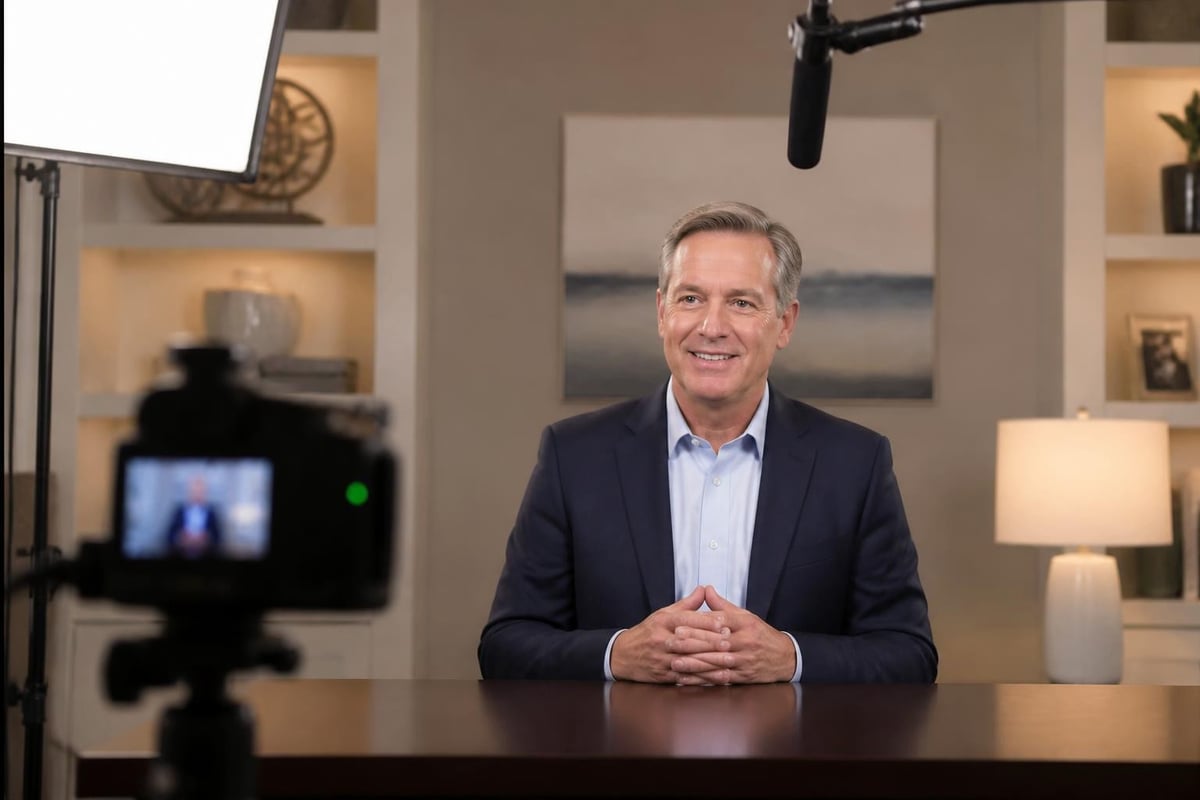
Arrive at studios sixty to ninety minutes early for in-studio interviews, allowing time for parking, check-in, makeup application, and technical setup without rushing. This buffer reduces stress and provides opportunity to acclimate to the environment before cameras activate.
For remote interviews, complete technical checks thirty minutes prior to scheduled airtime. Test camera, audio, lighting, and connectivity with production teams. Address any issues with adequate time remaining for troubleshooting.
Pre-interview preparation checklist:
- Review core messages and key talking points one final time
- Perform vocal warm-up exercises to ensure clear articulation
- Practice breathing techniques that manage nervous energy
- Limit caffeine intake that may increase visible nervousness
- Avoid heavy meals that reduce alertness or create discomfort
- Silence all mobile devices and eliminate potential interruptions
Managing Interview Momentum
Strong openings establish authority immediately. Prepare a compelling introduction that answers "who are you and why should viewers listen" in fifteen seconds. This opening frames subsequent discussion and positions you as the expert rather than a generic guest.
Listen actively to each question before responding. Brief pauses demonstrate thoughtfulness rather than indicating uncertainty. This practice also prevents interrupting hosts or responding to questions not actually asked.
Maintain message discipline throughout the interview. Each response should connect to your core messages while directly addressing the specific question. The bridging techniques emphasized in professional media training allow you to acknowledge unexpected topics while returning conversation to your strategic objectives.
Leveraging Your Television Appearance
The interview itself represents only the beginning of extracting value from television exposure. Strategic promotion and content repurposing extend reach and reinforce your authority positioning long after the original broadcast concludes.
Promotional Strategy
Coordinate with the show's production team to obtain broadcast clips, full episode files, or promotional snippets. Most programs provide guests with content files for personal use, though licensing terms vary by network and show. Clarify usage rights before promoting content across your platforms.
Create a promotional timeline that builds anticipation before the interview airs and maintains momentum afterward:
- Announce the upcoming appearance forty-eight hours in advance across social channels
- Share behind-the-scenes preparation content leading up to the broadcast
- Post the interview clip immediately after airing with key takeaways highlighted
- Repurpose interview segments into multiple content pieces over following weeks
- Reference the television appearance in email signatures, website bios, and marketing materials
Professional TV booking services often include post-interview promotion strategies that maximize authority benefits from each media appearance, ensuring your investment in preparation generates sustained business results.
Content Repurposing Framework
Transform your television interview into multiple content assets that extend value across channels. Extract audio for podcast episodes, transcribe content for blog articles, create short video clips for social media, and develop graphics highlighting quotable moments.
Each repurposed asset should link back to the full interview while serving specific platform requirements and audience preferences. LinkedIn audiences may prefer professional insights from your interview, while Instagram followers engage with shorter, more visually dynamic clips.
Building authority through consistent media visibility, as demonstrated through proven client results, requires systematic preparation and strategic content leverage that compounds credibility over time.
Mastering how to prepare for a TV interview transforms media opportunities into authority-building assets that differentiate you in competitive markets. From message development through technical preparation and confident delivery, systematic preparation ensures your expertise resonates with audiences and positions you as the recognized leader in your field. Mitch Carson specializes in helping CEOs, authors, and experts secure guaranteed television placements while developing the producer-ready positioning and on-camera performance that creates lasting market authority.