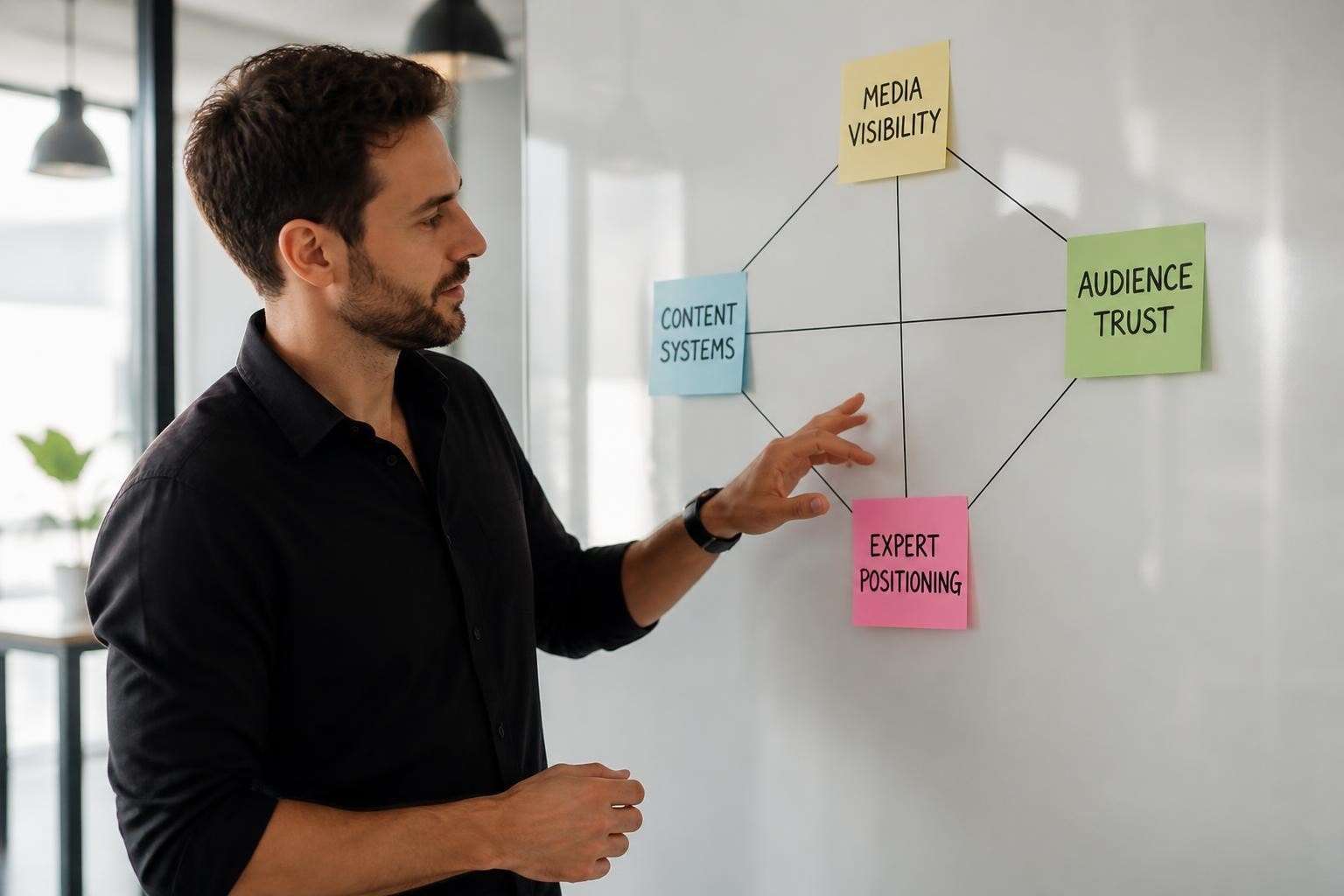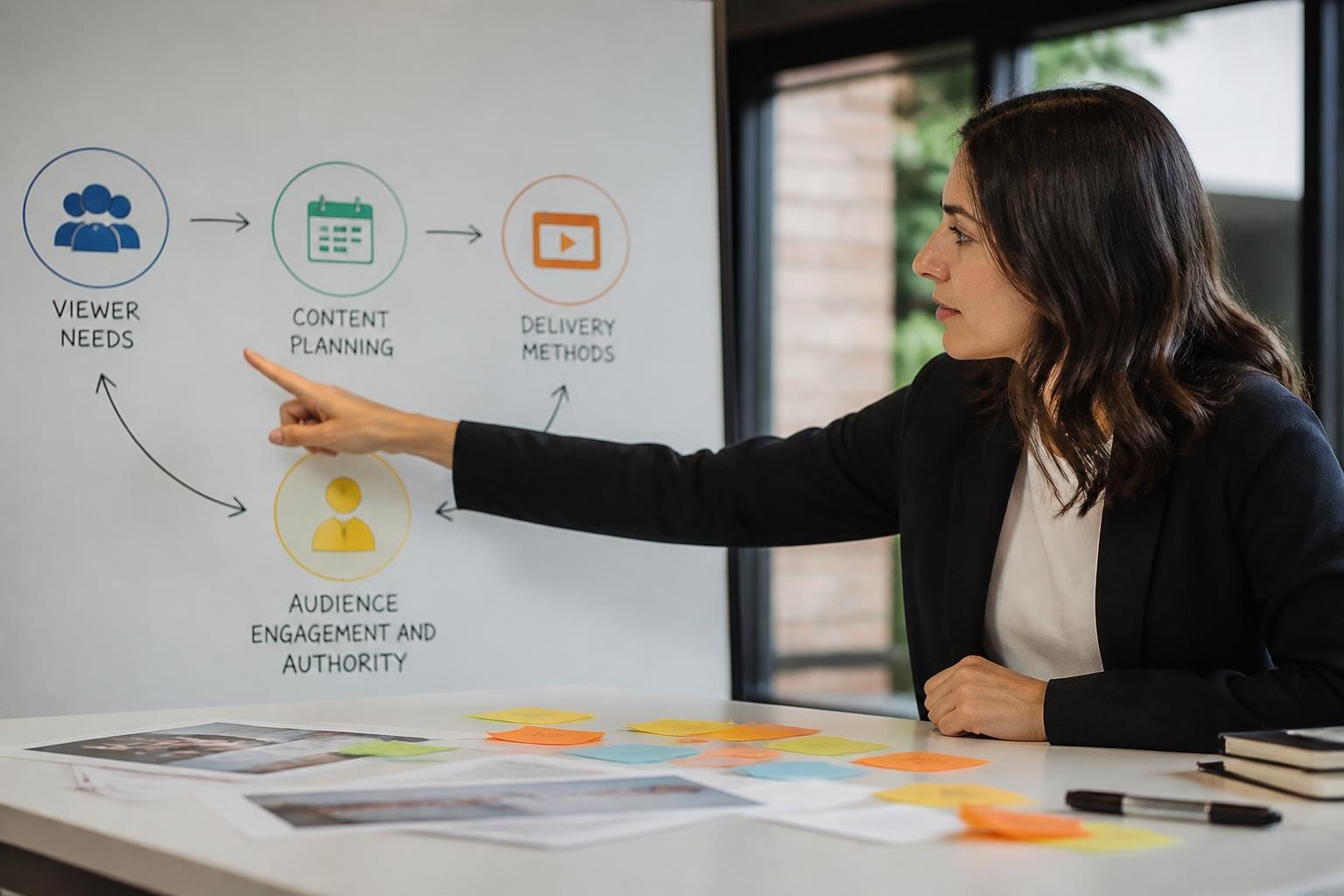
Creating compelling television content requires more than polished delivery and interesting topics. The most successful segments place viewers at the center of every creative decision, designing each element to serve their needs, interests, and challenges. Understanding how to create a viewer-focused segment transforms ordinary appearances into authority-building opportunities that resonate long after the cameras stop rolling.
Understanding Viewer-Centered Segment Design
Viewer-focused segments begin with a fundamental shift in perspective. Instead of asking "What do I want to say?" the question becomes "What does my audience need to hear?"
This distinction separates memorable segments from forgettable ones. Nielsen’s advanced audience insights demonstrate that successful media strategies in 2026 depend on precise audience understanding and data-driven content design. Producers and hosts who master this approach consistently deliver segments that drive engagement, conversation, and action.
The Psychology Behind Viewer Engagement
Television audiences make split-second decisions about whether content deserves their attention. Research shows viewers decide within the first seven seconds whether a segment is relevant to their lives.
Key psychological triggers that capture viewer attention:
- Immediate relevance to current challenges or aspirations
- Relatable scenarios that mirror their daily experiences
- Clear value propositions promising actionable takeaways
- Emotional resonance connecting to hopes, fears, or goals
- Authority indicators signaling credible, trustworthy information
When you learn how to create a viewer-focused segment, these psychological principles become your design framework. Every word, example, and transition serves the viewer's journey from curiosity to comprehension to action.

Researching Your Target Viewer Profile
Effective segment design starts with precise audience definition. Generic "everyone" targeting produces diluted messaging that resonates with no one.
Building Detailed Viewer Personas
Professional media strategists develop comprehensive viewer profiles before scripting a single word. This research-driven approach ensures every segment element aligns with audience needs.
| Profile Element | Research Questions | Application to Segment |
|---|---|---|
| Demographics | Age, location, profession, income level | Language choice, reference points, timing |
| Pain Points | What challenges keep them awake at night? | Problem framing, solution positioning |
| Aspirations | What outcomes do they seek? | Benefit articulation, success stories |
| Media Habits | Where do they consume content? | Format decisions, platform optimization |
| Knowledge Level | How familiar are they with this topic? | Depth of explanation, jargon usage |
The Columbia Journalism Review’s analysis on audience engagement reveals that segments designed around specific viewer profiles generate significantly higher engagement than broad-appeal approaches. This framework applies equally whether you're appearing on morning news, business programs, or specialized industry broadcasts.
Leveraging Audience Data and Feedback
Modern media provides unprecedented access to viewer behavior data. Smart segment creators mine these insights to refine their approach continuously.
Monitor social media comments, email responses, and platform analytics to identify patterns in viewer questions and interests. The RTDNA research hub offers valuable industry findings on audience behaviors that inform smarter storytelling practices for broadcast segments.
When developing podcast content or preparing for TV appearances, review which topics generate the most listener questions or engagement. These patterns reveal the subjects your audience genuinely cares about, not just what you assume interests them.
Structuring Content Around Viewer Benefits
Learning how to create a viewer-focused segment requires ruthless prioritization of audience value over personal agenda. Every segment component should answer the viewer's implicit question: "Why should I care?"
The Benefit-First Framework
Traditional segment structures often bury valuable insights beneath credentials and background. Viewer-focused segments invert this hierarchy.
Optimal segment structure for viewer engagement:
- Hook with immediate value (first 15 seconds)
- State the viewer benefit clearly (next 30 seconds)
- Deliver actionable insights (main content)
- Provide specific next steps (closing)
- Reinforce key takeaway (final 15 seconds)
Notice how credibility establishment happens through demonstrated expertise, not lengthy introductions. When you solve a pressing viewer problem in the opening minute, you've earned their attention for deeper exploration.
Translating Expertise into Accessible Insights
Subject matter experts often struggle with the curse of knowledge-the inability to remember what it's like not to know something. Viewer-focused segments bridge this gap through strategic translation.
Replace industry jargon with everyday language. Instead of "leverage synergistic methodologies," say "combine these two simple approaches." This accessibility doesn't diminish your authority; it amplifies your impact.
Consider how Think with Google’s creator content trends emphasize short-form, viewer-first storytelling techniques. These insights prove that simplicity and directness outperform complexity in capturing modern audiences.

Crafting Compelling Viewer-Centric Narratives
Stories create emotional connections that pure information cannot match. The most effective segments weave data and advice into narratives that viewers remember and retell.
Story Selection Criteria
Not every story serves a viewer-focused segment equally well. Strategic story selection amplifies your message while maintaining audience relevance.
Choose stories that feature protagonists similar to your target viewers. When audiences see themselves in your examples, they lean in. A CEO preparing for media appearances connects more deeply with stories about other executives navigating similar challenges than with generic success tales.
Essential elements of viewer-focused storytelling:
- Relatable protagonist facing a familiar challenge
- Specific details that add authenticity and texture
- Clear cause-and-effect progression viewers can follow
- Obstacles that mirror audience concerns
- Resolution demonstrating actionable principles
- Takeaway viewers can apply immediately
Balancing Data and Human Connection
Numbers establish credibility; stories create memorability. Understanding how to create a viewer-focused segment means orchestrating both elements strategically.
Present statistics that validate viewer experiences rather than overwhelming them. When discussing authority building strategies, one powerful statistic paired with a compelling example outperforms ten statistics without context.
The Poynter commentary on living room conversations illustrates how audience listening and community-led segment ideas increase relevance and trust. This approach recognizes that viewers want to feel heard, not just spoken to.
Optimizing Delivery for Maximum Impact
Content quality matters little if delivery fails to engage. Viewer-focused segments require intentional performance choices that prioritize audience comprehension and connection.
Pacing and Energy Management
Television is a compressed medium. Every second counts, making pacing critical to viewer retention.
Vary your rhythm intentionally. Short, punchy sentences create urgency and clarity. Longer, more detailed explanations provide depth when the groundwork supports them. This variation maintains engagement while preventing monotony.
Energy level should match content importance and viewer state. Morning show segments require higher energy to capture viewers preparing for their day. Evening business programs allow more measured, analytical tones.
Visual and Vocal Techniques
How you say something often matters more than what you say when creating viewer-focused segments.
| Technique | Purpose | Implementation |
|---|---|---|
| Direct eye contact | Builds trust and connection | Look at camera lens, not monitor |
| Strategic pausing | Emphasizes key points | Hold silence for 2-3 seconds after important statements |
| Vocal variety | Maintains attention | Modulate pitch, pace, and volume throughout |
| Open body language | Signals confidence and approachability | Uncross arms, lean slightly forward |
| Purposeful gestures | Reinforces verbal messages | Match hand movements to content meaning |
Professionals who understand public speaking and presentation skills recognize these techniques as fundamental to audience connection. The same principles apply whether addressing a live audience or television camera.
Incorporating Actionable Takeaways
Viewer-focused segments deliver value viewers can implement immediately. Vague inspiration without concrete direction leaves audiences frustrated rather than empowered.
The Specificity Principle
Generic advice sounds impressive but provides little practical value. Specific, detailed guidance transforms viewers into active participants in their own success.
Instead of "improve your networking," offer "send three personalized connection messages on LinkedIn every Tuesday morning to industry leaders who recently posted about topics relevant to your expertise." The second version gives viewers a complete action plan.
Framework for creating actionable takeaways:
- Identify the desired viewer outcome
- Break it into smallest possible first step
- Provide specific timing or frequency
- Include success indicators
- Anticipate common obstacles
- Offer troubleshooting guidance
This approach demonstrates mastery when speaking with confidence because it proves you understand real-world implementation challenges, not just theoretical concepts.
Creating Implementation Roadmaps
The best segments extend value beyond the broadcast through downloadable resources, reference guides, or follow-up content. When you learn how to create a viewer-focused segment, you recognize that the television appearance is one touchpoint in an ongoing relationship.
Mention where viewers can access additional resources without turning your segment into an advertisement. A subtle reference to expanded frameworks or worksheets positions you as generous expert rather than salesperson.
Adapting Segments Across Platforms
Today's media landscape requires content that works across multiple distribution channels. A single television segment often lives on broadcast, streaming services, social media clips, and podcast discussions.
Platform-Specific Optimization
While core content remains consistent, presentation adjusts to platform norms and viewer expectations. Understanding how to create a viewer-focused segment means recognizing these contextual differences.
Broadcast television segments typically run three to seven minutes, requiring tight focus and rapid value delivery. Podcast episodes allow fifteen to forty-five minutes for deeper exploration. Social media clips demand hook-driven content that captures attention within three seconds.
Design segments with modular structure allowing easy extraction of platform-appropriate segments. A five-minute television segment should contain at least three standalone sixty-second moments perfect for social distribution.
Maintaining Consistency Across Formats
Despite platform differences, your core message and viewer focus remain constant. This consistency builds recognition and reinforces your authority position.
Nielsen’s 2025 video universe guide provides in-depth landscape analysis showing how audiences navigate across platforms. Successful authority figures maintain coherent messaging whether viewers discover them on television, podcasts, or digital channels.
Measuring Segment Effectiveness
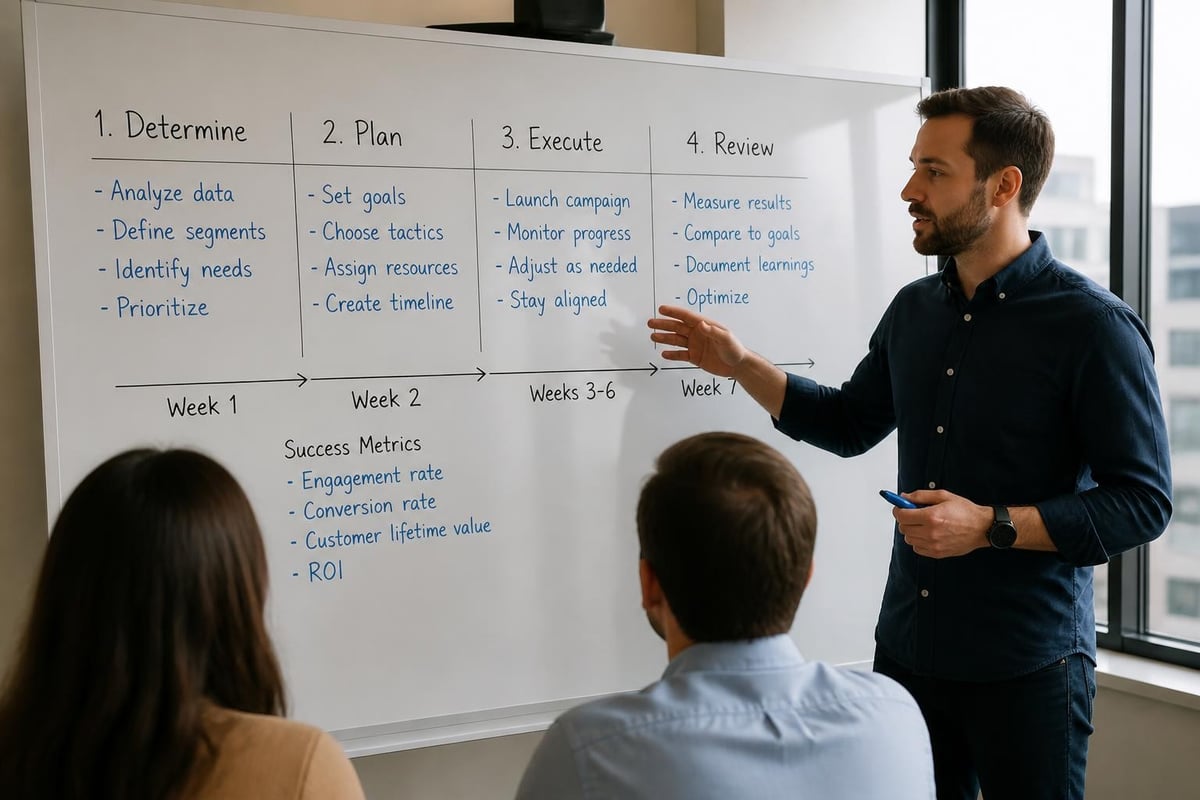
Viewer-focused content requires viewer-based success metrics. Vanity metrics like total viewers matter less than engagement indicators showing your segment resonated.
Key Performance Indicators
Track metrics that reveal genuine viewer connection and action rather than passive exposure.
Meaningful segment success metrics:
- Engagement rate: Comments, shares, and saves relative to views
- Completion rate: Percentage watching entire segment versus dropping off
- Action rate: Viewers visiting recommended resources or taking suggested steps
- Retention metrics: Returning viewers for subsequent segments
- Qualitative feedback: Specific questions or testimonials indicating value received
These indicators reveal whether you've truly mastered how to create a viewer-focused segment or simply delivered content people happened to see.
Continuous Improvement Loops
Excellence in viewer-focused segment creation comes through iteration. Each appearance provides data for refining future content.
Review performance metrics within forty-eight hours while the experience remains fresh. Identify which moments generated strongest engagement and which fell flat. Note viewer questions that suggest areas requiring clearer explanation.
When building credibility through media visibility, this improvement cycle compounds your effectiveness. Each segment becomes sharper, more focused, and more valuable to your target audience.
Collaborating with Producers and Hosts
Even the best-prepared guests succeed or struggle based on producer relationships. Understanding how to create a viewer-focused segment includes recognizing you're part of a larger production ecosystem.
Pre-Segment Preparation
Professional media appearances begin long before cameras roll. Effective guests make producers' jobs easier through thorough preparation and clear communication.
Share your viewer-focused approach during pre-interviews. Explain how your content serves the show's audience specifically. Producers appreciate guests who think beyond self-promotion to audience value.
| Preparation Element | Guest Responsibility | Producer Benefit |
|---|---|---|
| Topic refinement | Identify three specific viewer takeaways | Clear, promotable segment focus |
| Format suggestions | Propose demo, Q&A, or case study approach | Production planning efficiency |
| Visual elements | Provide charts, products, or props | Enhanced viewer engagement |
| Timing awareness | Practice segment to exact time limit | Smooth show flow |
| Backup material | Prepare additional points if time allows | Flexibility for segment extension |
This collaborative mindset distinguishes professional speakers from amateur guests hoping to wing it.
Adapting to Live Dynamics
Even perfectly planned segments encounter unexpected moments. Skilled guests maintain viewer focus while adapting to real-time changes.
If the host asks an unplanned question, bridge back to viewer value rather than fumbling through unprepared responses. Every answer should ultimately serve the audience, even when the question veers off-script.
Building Long-Term Viewer Relationships
Single segments build awareness. Consistent, valuable appearances build authority. When you master how to create a viewer-focused segment, you establish foundation for sustained media presence.
Recurring Segment Strategies
Regular appearances on the same program create anticipation and habit formation among viewers. Position yourself as the go-to expert for specific topics within the show's format.
Develop recurring themes that explore different facets of your expertise. A monthly segment might address seasonal variations of core challenges your audience faces. This approach provides fresh content while reinforcing your authority position.
Cross-Platform Audience Development
Leverage television appearances to build multi-channel relationships with viewers. A brief mention of where audiences can find expanded content drives motivated viewers to deeper engagement opportunities.
This strategy works whether you're building authority through speaking or establishing media presence. Each platform serves the overall objective of becoming the recognized expert in your field.
Understanding how to create a viewer-focused segment represents more than technical skill. It reflects fundamental respect for audience time and attention. When every creative decision prioritizes viewer benefit, segments transcend mere content to become valuable resources people actively seek. This viewer-first approach doesn't diminish your expertise; it amplifies your impact by ensuring your knowledge reaches those who need it most. The difference between appearing on television and building authority through television lies entirely in this commitment to serving viewers above self-promotion.
Mastering viewer-focused segment design transforms television appearances from promotional opportunities into authority-building platforms that serve audiences while establishing your expertise. By centering every creative decision around viewer needs, you create content that resonates, engages, and drives meaningful action. Whether you're preparing for your first television appearance or refining your media strategy, Mitch Carson specializes in helping CEOs, founders, authors, and experts secure guaranteed TV interviews and build market-leading authority through producer-ready positioning and strategic media visibility that positions you as the unignorable expert in your field.