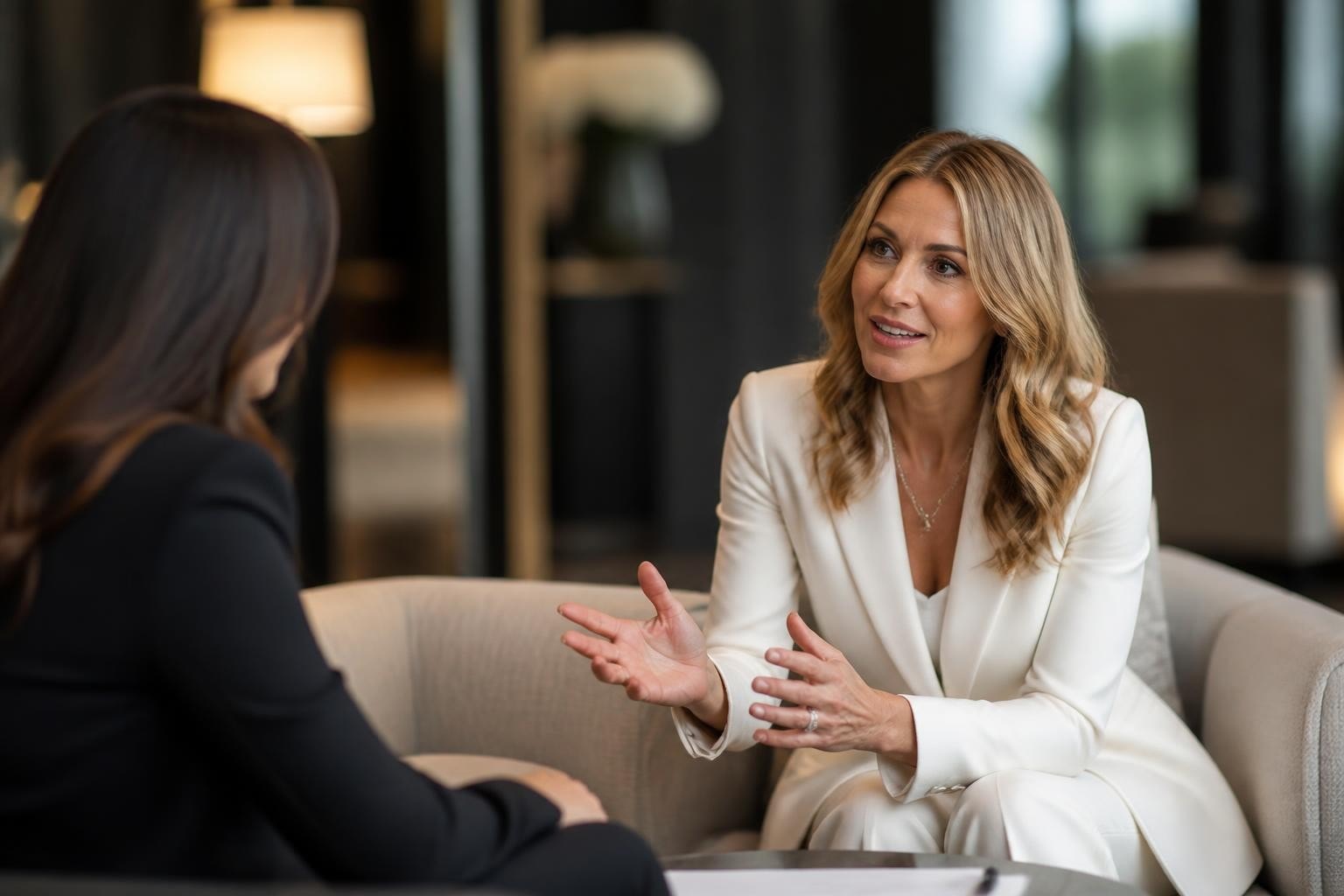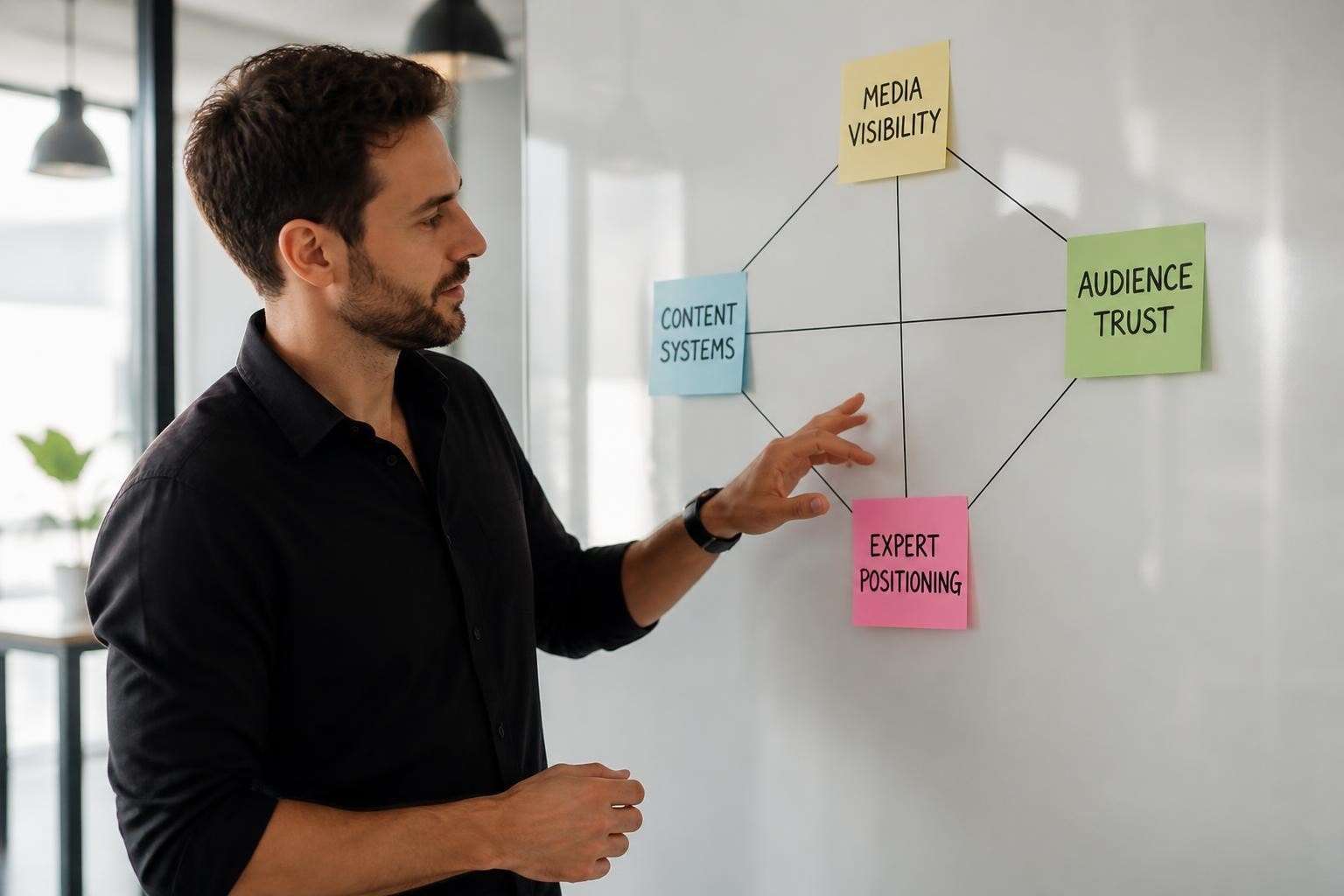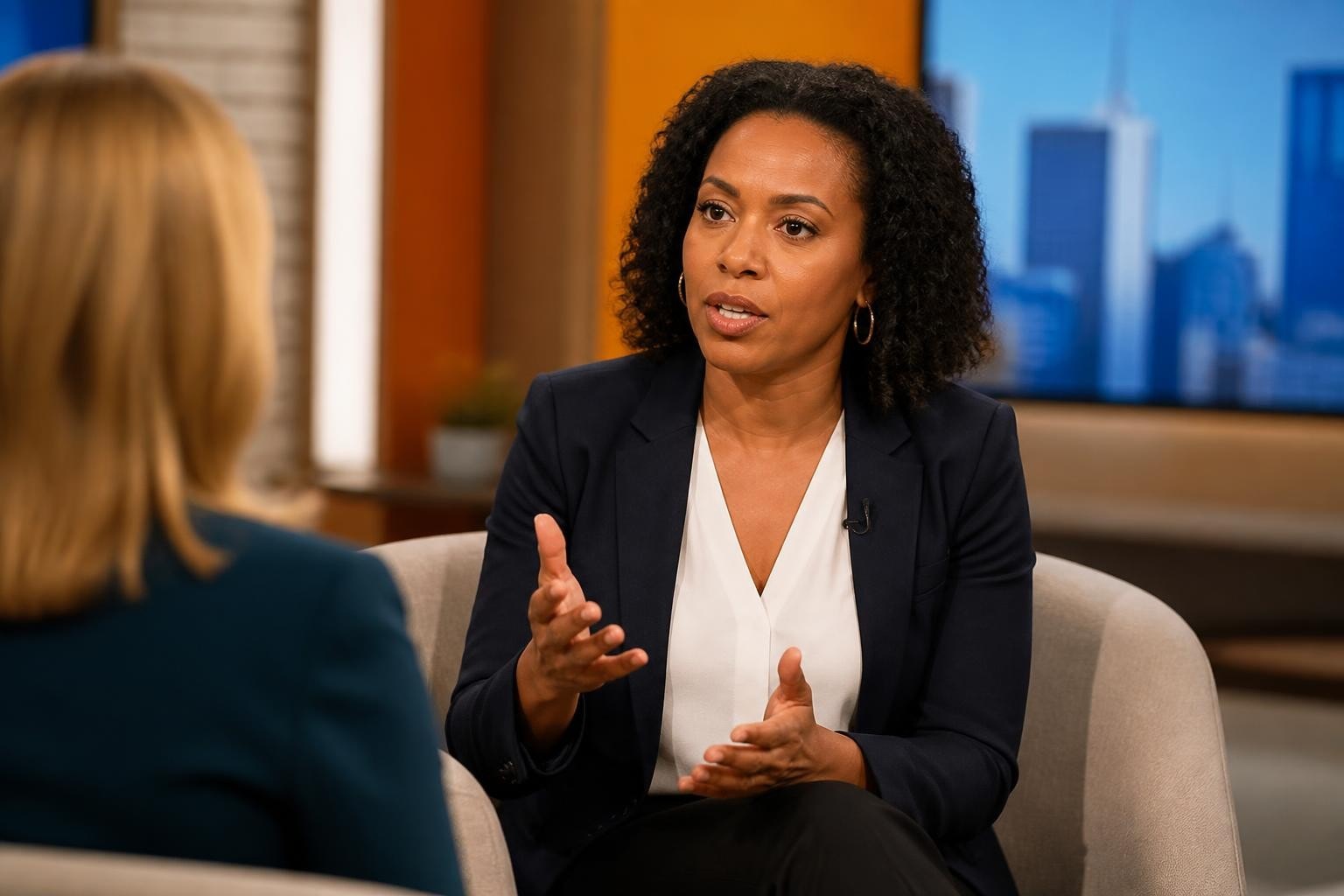
Television appearances transform authors from unknown voices into recognized authorities overnight. Understanding how authors get booked on TV requires knowledge of producer psychology, media relationships, and strategic positioning that goes far beyond simply writing a great book. The journey from manuscript to mainstream media demands intentional preparation, professional presentation, and proven systems that guarantee placement rather than leaving visibility to chance.
The Reality Behind Television Booking for Authors
Television producers receive hundreds of pitches weekly from authors, publicists, and booking agents. Most submissions never receive a response because they fail to address what producers actually need: compelling content that serves their audience while fitting specific segment formats.
Authors who successfully land TV interviews understand that booking decisions happen within seconds. Producers scan pitches looking for immediate relevance, credible expertise, and visual storytelling potential. The difference between authors who appear regularly on television and those who struggle to secure a single segment lies in systematic preparation rather than luck or connections.
What Producers Evaluate During the Booking Process
Television bookers assess several critical factors when considering author guests. First, they examine topical relevance and whether the author's message connects to current events, trending conversations, or evergreen audience interests. Second, they evaluate the author's ability to deliver concise, engaging soundbites rather than rambling academic explanations.
Key evaluation criteria include:
- Demonstrated on-camera experience and comfort level
- Ability to provide actionable takeaways within tight time constraints
- Visual elements or demonstrations that enhance segment appeal
- Controversy, novelty, or unique perspective that differentiates the topic
- Social proof through existing media coverage or audience size
The credibility verification process television newsrooms employ goes deeper than many authors anticipate. Producers research guest backgrounds, review previous appearances, and assess whether the author's platform supports their claimed expertise.

Building the Foundation Before Pitching
How authors get booked on TV starts long before the actual pitch. Successful placements require foundational elements that position authors as producer-ready guests rather than promotional liabilities.
Establishing Credible Authority Positioning
Television producers book experts, not salespeople. Authors must establish authority through multiple credibility markers including published work, professional credentials, client results, speaking experience, and existing media coverage. Each element reinforces the perception that the author delivers legitimate expertise worth featuring.
The positioning process involves crafting specific talking points that translate complex book concepts into conversation-worthy segments. Strategic publicity campaigns build momentum through coordinated media appearances rather than isolated efforts.
| Authority Element | Producer Perception | Implementation Timeline |
|---|---|---|
| Published book | Subject matter expertise | 6-12 months before pitching |
| Media training | Broadcast-ready performance | 2-3 months before pitching |
| Press kit | Professional presentation | 1 month before pitching |
| Previous clips | Proven on-camera ability | Ongoing collection |
| Social proof | Audience validation | Continuous building |
Developing Producer-Ready Materials
Professional pitch materials distinguish serious authors from amateur attempts. A compelling one-sheet includes the author's photo, book cover, three to five talking points, previous media appearances, and contact information formatted for quick scanning.
Video sizzle reels demonstrate on-camera presence more effectively than written descriptions. Even thirty seconds of professional footage showing the author delivering clear, engaging content significantly increases booking probability. Authors should invest in media training and preparation that translates written expertise into broadcast-quality performance.
The pitch email itself requires strategic construction. Subject lines must capture attention within crowded producer inboxes while the body copy connects the author's expertise to specific show formats and audience needs.
Strategic Approaches to Securing Television Placements
Understanding how authors get booked on TV requires recognizing that multiple pathways exist for securing placements. Each approach offers distinct advantages depending on the author's goals, resources, and timeline.
Working with Publicists and Booking Specialists
Professional publicists maintain established relationships with television producers across networks and programs. These connections provide access to booking calendars, format preferences, and specific topic needs that aren't publicly advertised.
Advantages of professional representation include:
- Direct producer relationships that bypass general submission queues
- Knowledge of upcoming segment themes and seasonal booking cycles
- Negotiation expertise for appearance terms and promotional opportunities
- Follow-up persistence that maintains visibility without damaging relationships
- Crisis management if segments require last-minute adjustments
The Publishers Weekly publicity report reveals how major publishers coordinate author media tours, demonstrating the systematic approach that generates consistent bookings. Independent authors benefit from similar frameworks adapted to their specific positioning and goals.
Direct Outreach and Relationship Building
Authors can develop direct producer relationships through consistent, value-focused communication. This approach requires patience and strategic persistence rather than aggressive self-promotion.
Monitoring show content helps identify natural alignment between author expertise and program needs. When producers cover topics within the author's domain, timely pitches offering fresh perspectives or additional insights create booking opportunities.

Contributing expert commentary during breaking news cycles establishes authors as go-to sources. Producers remember guests who responded quickly with credible insights during time-sensitive situations, creating opportunities for future bookings.
Guaranteed Placement Systems
How authors get booked on TV has evolved beyond traditional pitching methods. Guaranteed placement systems remove uncertainty by securing confirmed interview dates before authors invest time in preparation.
These systems work through established partnerships between media specialists and television programs actively seeking expert guests. Rather than competing for limited segment slots, authors access pre-negotiated interview opportunities aligned with their expertise and messaging goals.
The guaranteed approach transforms television visibility from aspirational to systematic. Authors know exactly when appearances will air, which programs will feature them, and what segment formats to prepare for. This certainty enables strategic planning around book launches, speaking engagements, and business development campaigns.
Crafting Pitches That Producers Cannot Ignore
The mechanics of how authors get booked on TV ultimately depend on pitch quality. Even the most qualified experts get rejected when pitches fail to communicate value from the producer's perspective.
Understanding Producer Psychology and Needs
Television producers serve their audience first and potential guests second. Effective pitches demonstrate understanding of specific show formats, viewer demographics, and content objectives rather than focusing exclusively on the author's book.
Each program maintains distinct editorial calendars tied to seasonal themes, current events, and viewer interests. Understanding newsroom workflows helps authors time pitches when producers actively seek guests for upcoming segments rather than during closed booking windows.
Producers prioritize guests who make their jobs easier. Authors who provide pre-formatted talking points, relevant statistics, visual elements, and flexible scheduling demonstrate professional understanding of production constraints.
Elements of High-Converting Pitch Communications
Compelling pitches follow a specific structure designed for busy producers scanning dozens of submissions. The opening line must immediately establish relevance through timely hooks, trending topics, or unique angles that differentiate the author from similar experts.
Essential pitch components include:
- Subject line: Specific, benefit-focused, and tied to show themes
- Opening hook: Immediate relevance statement connecting author expertise to current viewer interests
- Credibility markers: Brief authority establishment through credentials and previous media
- Talking points: Three to five specific, actionable takeaways formatted as conversation starters
- Call to action: Clear next steps with scheduling flexibility and contact information
The Writers Digest guide to pitching broadcast media emphasizes timing considerations, noting that successful authors align pitches with show booking cycles rather than random outreach.
Visual descriptions enhance pitch appeal for television formats. When authors can offer demonstrations, before-and-after comparisons, or interactive elements, these opportunities should feature prominently in pitch communications.
Preparing for On-Camera Performance Excellence
Securing the booking represents only half the battle in how authors get booked on TV repeatedly. Exceptional on-camera performance converts single appearances into ongoing relationships that generate multiple placements.
Media Training Fundamentals for Authors
Television demands different communication skills than writing or speaking engagements. Authors must condense complex concepts into fifteen to thirty-second soundbites while maintaining energy, clarity, and authenticity under studio pressure.
Professional media training addresses technical elements including eye contact, voice modulation, body language, and spatial awareness within camera frames. Performance skills development translates platform experience into broadcast-specific techniques.
Critical on-camera competencies include:
- Delivering complete thoughts within strict time limits
- Maintaining conversational tone while hitting key messaging points
- Responding to unexpected questions without visible discomfort
- Creating natural transitions between host questions and prepared talking points
- Projecting confidence and expertise without appearing defensive or promotional
Mock interview practice builds comfort with television format constraints. Recording practice sessions reveals unconscious habits like excessive hand gestures, verbal fillers, or rushed delivery that undermine professional presentation.
Strategic Message Development for Television Formats
How authors get booked on TV repeatedly depends on delivering value that serves viewers rather than promoting books. Strategic messaging frames author expertise around audience problems, desired outcomes, and actionable implementation steps.
The "rule of threes" works exceptionally well for television segments. Producers appreciate guests who organize content into three key points, three common mistakes, or three implementation steps that viewers can remember and apply.
Authors should prepare multiple talking point variations addressing different audience sophistication levels. Morning shows require simpler explanations than niche cable programs, while news segments demand different framing than lifestyle features.
Leveraging Initial Appearances for Ongoing Visibility
The first television appearance establishes credibility that opens doors to subsequent bookings. Strategic authors treat each segment as the beginning of an ongoing media relationship rather than an isolated achievement.
Maximizing Post-Appearance Opportunities
Producers remember guests who made their jobs easy and delivered engaging content. Following up within twenty-four hours with appreciation and additional resource offers maintains relationship momentum.
Professional recordings of television appearances become invaluable marketing assets. Authors should secure broadcast-quality footage of every segment for use in future pitches, website testimonials, and social media content. The media portfolio development process transforms individual appearances into comprehensive credibility demonstrations.
Social media amplification during and after appearances increases their impact beyond initial broadcast reach. Tagging shows, hosts, and producers while sharing clips demonstrates appreciation while maintaining visibility for future booking considerations.
Building Systematic Media Campaigns
Understanding how authors get booked on TV systematically requires coordinated campaigns rather than sporadic efforts. Strategic authors develop twelve-month media calendars aligned with book launches, seasonal relevance, and industry event cycles.
| Campaign Phase | Activities | Timeline | Expected Outcomes |
|---|---|---|---|
| Foundation Building | Media training, materials development, clip collection | Months 1-3 | Producer-ready positioning |
| Initial Outreach | Targeted pitching, relationship development | Months 4-6 | First placements secured |
| Momentum Building | Follow-up appearances, expanded reach | Months 7-9 | Regular booking rhythm |
| Authority Establishment | Premier show placements, speaking opportunities | Months 10-12 | Recognized expert status |
The Authors Guild resources provide practical frameworks for authors developing long-term publicity strategies that extend beyond single book promotion cycles.

Tracking appearance metrics helps authors refine their approach. Recording which pitches generated responses, which talking points resonated with hosts, and which segments drove the strongest audience engagement informs ongoing strategy optimization.
Advanced Strategies for Premium Placement Opportunities
How authors get booked on TV evolves as their authority and experience expand. Advanced strategies target premier programs, negotiate better terms, and leverage television visibility for broader business objectives.
Positioning for National Network Opportunities
National network appearances require elevated credibility and more sophisticated positioning than local or cable segments. Authors targeting these placements need comprehensive media portfolios demonstrating consistent on-camera excellence across multiple previous appearances.
Network bookers often discover potential guests through monitoring trends on smaller platforms. Authors who develop unique angles on emerging topics position themselves as natural choices when networks cover those subjects.
The book publicity landscape shows how major authors coordinate television appearances with book launches, speaking tours, and digital campaigns for maximum impact. Independent authors benefit from similar integrated approaches scaled to their resources.
Negotiating Appearance Terms and Promotional Opportunities
Experienced authors negotiate specific promotional considerations including book mentions, on-screen graphics displaying website URLs, and segment timing aligned with product launches or events.
Some appearances offer compensation or cover travel expenses for experts providing specialized knowledge. Authors should understand when to accept unpaid exposure opportunities versus situations where professional fees are appropriate.
Strategic timing considerations affect appearance value significantly. Morning show segments reach broader audiences than late-night slots, while prime-time news features offer different credibility benefits than daytime programming.
Creating Sustainable Television Visibility Systems
Long-term success in how authors get booked on TV requires systematic approaches that generate consistent opportunities rather than sporadic wins followed by frustrating dry spells.
Developing Evergreen Expertise Angles
Authors who position themselves around evergreen topics rather than time-limited book promotions create sustainable booking opportunities. Expertise in leadership, relationships, health, finance, or communication generates year-round segment possibilities.
Seasonal hooks provide predictable booking cycles. Authors who develop Valentine's Day relationship content, New Year resolution frameworks, or back-to-school parenting strategies secure annual appearance opportunities.
Current event responsiveness keeps authors relevant between planned pitches. Monitoring news cycles for topics intersecting with author expertise enables timely outreach when producers urgently need expert commentary.
Building Multi-Platform Authority Ecosystems
Television appearances work synergistically with podcasts, speaking engagements, and digital content to create comprehensive authority platforms. Each element reinforces the others while providing different access points for audience connection.
Podcast development creates owned media platforms that demonstrate consistent expert content delivery. Television producers often discover potential guests through podcast appearances or reference podcast content when evaluating author credibility.
The integration between television visibility and business development creates measurable ROI beyond vanity metrics. Strategic authors track how appearances affect book sales, speaking inquiries, consulting opportunities, and premium client acquisition.
Multi-platform integration benefits include:
- Television clips drive podcast listeners and social media followers
- Podcast audiences provide engaged communities for book launches
- Speaking engagements generate networking opportunities with media professionals
- Digital content creates evergreen resources for ongoing promotion
- Combined platforms establish comprehensive expert positioning
Understanding how authors get booked on TV in 2026 requires recognizing that isolated appearances matter less than systematic visibility campaigns. Authors who treat television as one component within integrated authority-building ecosystems achieve sustainable recognition rather than fleeting attention.
Mastering how authors get booked on TV transforms from mysterious gatekeeping into systematic execution when you understand producer psychology, develop professional materials, and implement proven placement frameworks. Whether working with experienced publicists, building direct producer relationships, or accessing guaranteed placement systems, strategic authors secure television visibility that elevates authority and attracts premium opportunities. Mitch Carson specializes in helping authors, CEOs, and experts secure guaranteed TV interviews through the BookedForTV™ Guaranteed Placement System, eliminating uncertainty while building market-leading authority through strategic media visibility and producer-ready positioning.