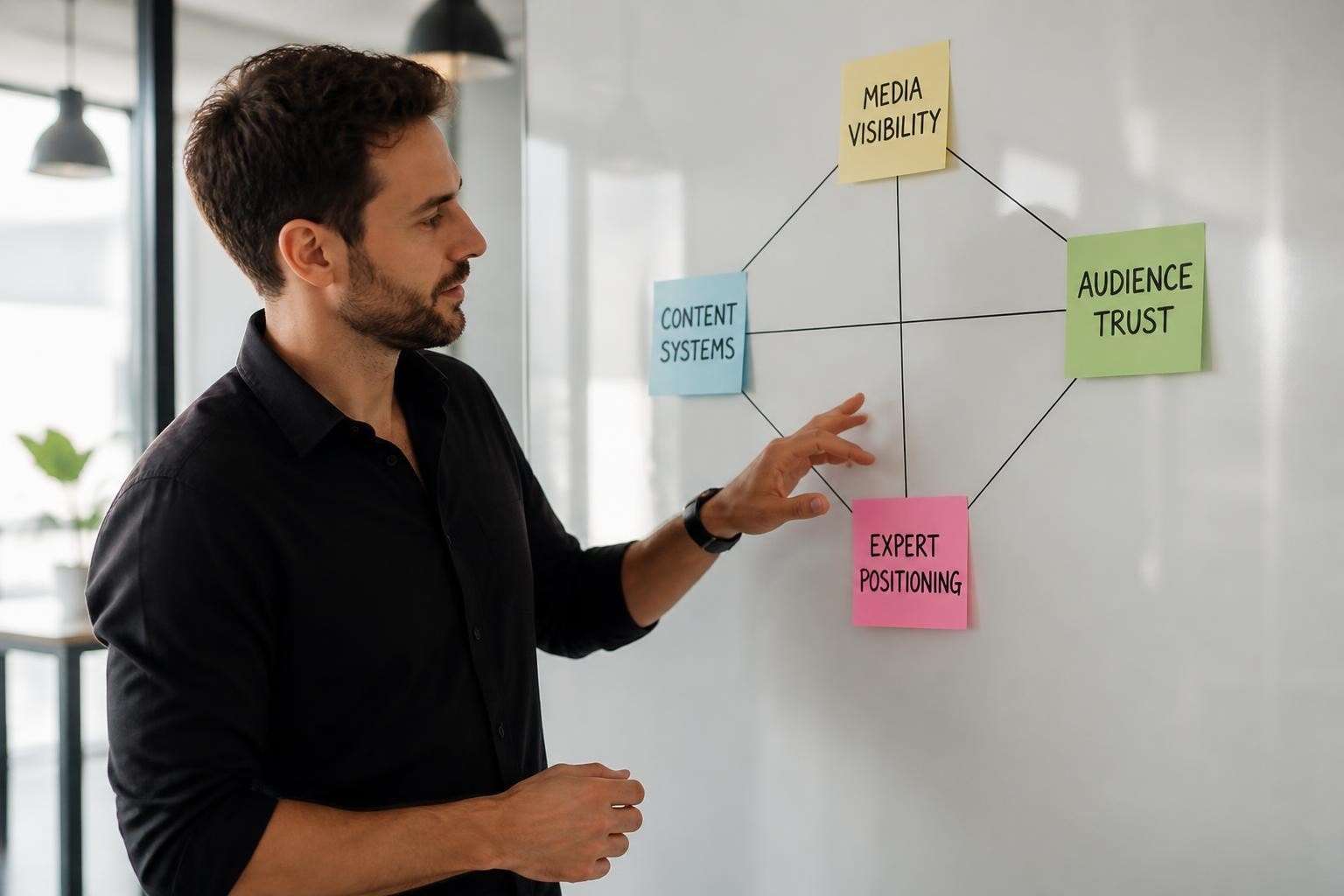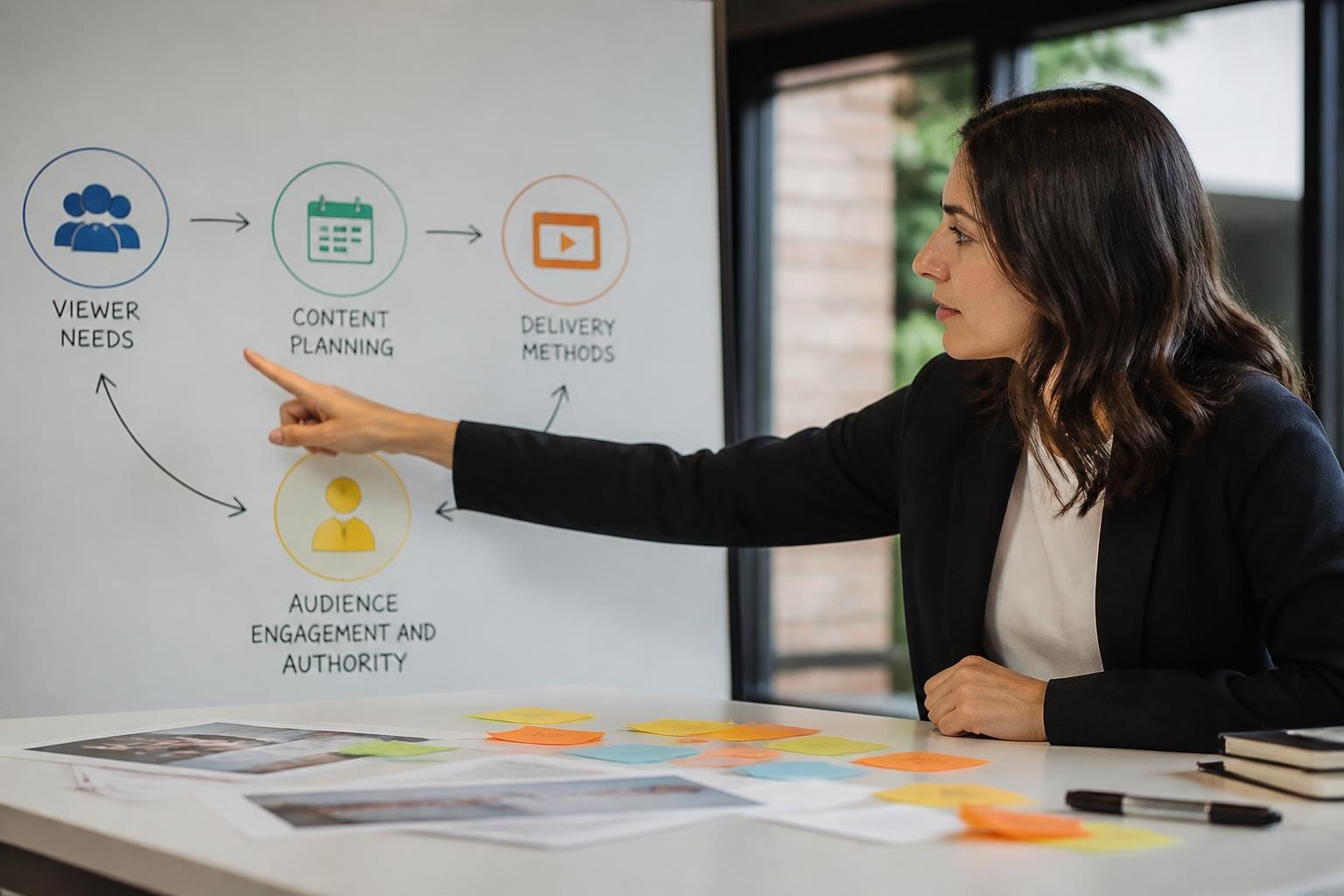
Television interviews remain one of the most powerful tools for building authority and market presence in 2026. When CEOs, authors, and experts appear on TV, they don't just reach an audience for a few minutes-they create a ripple effect that extends across digital platforms, social channels, and search engines. Understanding how tv interviews create omnipresence transforms the way business leaders approach media strategy, turning single appearances into sustained visibility campaigns that position them as recognized authorities in their fields.
The Multiplier Effect of Television Credibility
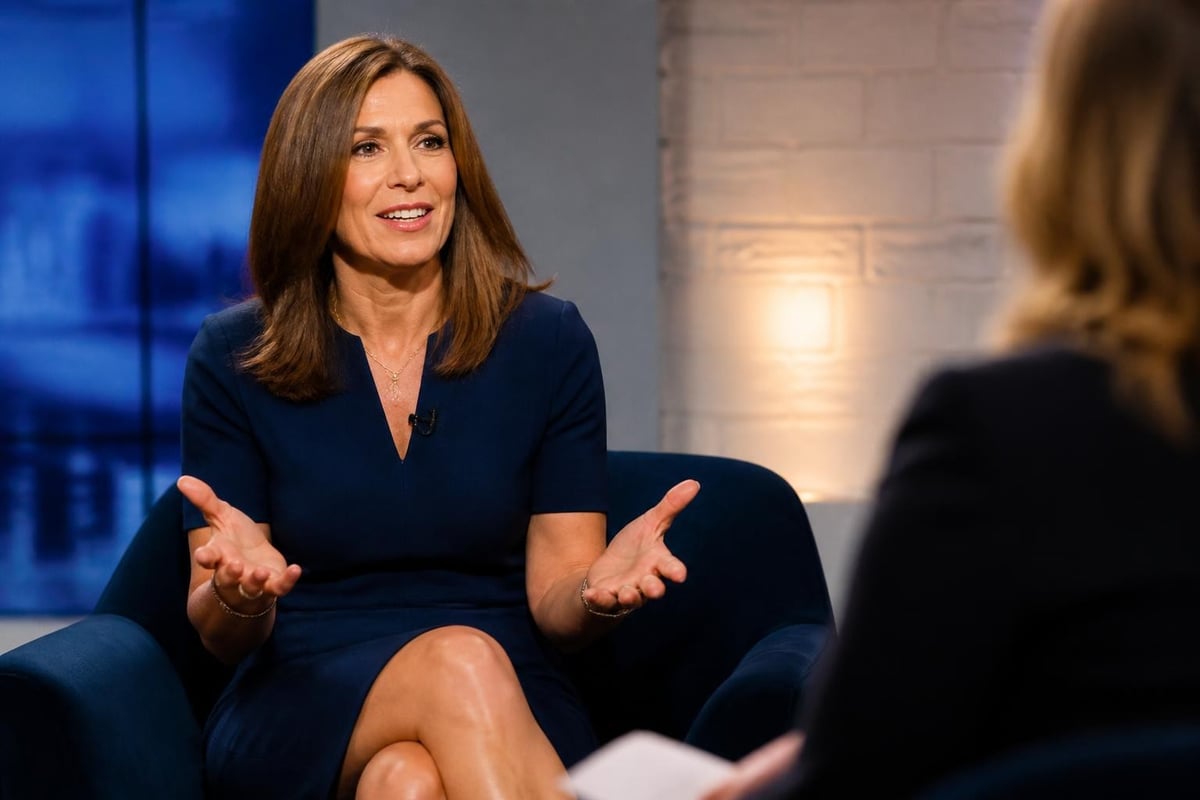
Television carries a unique credibility weight that digital-only content struggles to match. When viewers see an expert on NBC, ABC, CBS, or cable networks, they instantly perceive higher authority compared to self-published content. This perception creates a halo effect that extends far beyond the broadcast moment.
The mechanism behind how tv interviews create omnipresence starts with trust transfer. Americans continue to view television news as a trusted source, even as media consumption fragments across platforms. A single TV appearance grants permission to reference that credibility everywhere-on websites, in email signatures, across social media profiles, and in sales conversations.
This credibility multiplies in three distinct ways:
- Digital amplification through social proof and screenshots
- Search visibility when interviews are transcribed and optimized
- Sales leverage in proposals, pitches, and client conversations
Building Authority Through Repeated Exposure
The science of persuasion confirms what media strategists have known for decades: repetition builds recognition and trust. Research demonstrates that multiple exposures influence attitudes and decision-making, making repeated visibility essential for thought leadership.
How tv interviews create omnipresence through repetition depends on both frequency and distribution. A CEO who appears on television quarterly but fails to repurpose that content misses 90% of the potential impact. The experts who dominate their markets appear once on TV, then ensure that appearance reaches audiences through six to twelve additional touchpoints.
| Touchpoint Type | Example Format | Reach Multiplier |
|---|---|---|
| Original broadcast | Live or recorded TV segment | 1x (baseline) |
| Social media clips | 15-60 second highlight reels | 3-5x |
| Website integration | Embedded video + transcript | 2-3x |
| Email marketing | Interview announcement + key insights | 2-4x |
| Podcast repurposing | Audio extraction + commentary | 1-2x |
| Blog content | Interview recap + expanded points | 2-3x |
Strategic Content Repurposing for Maximum Visibility
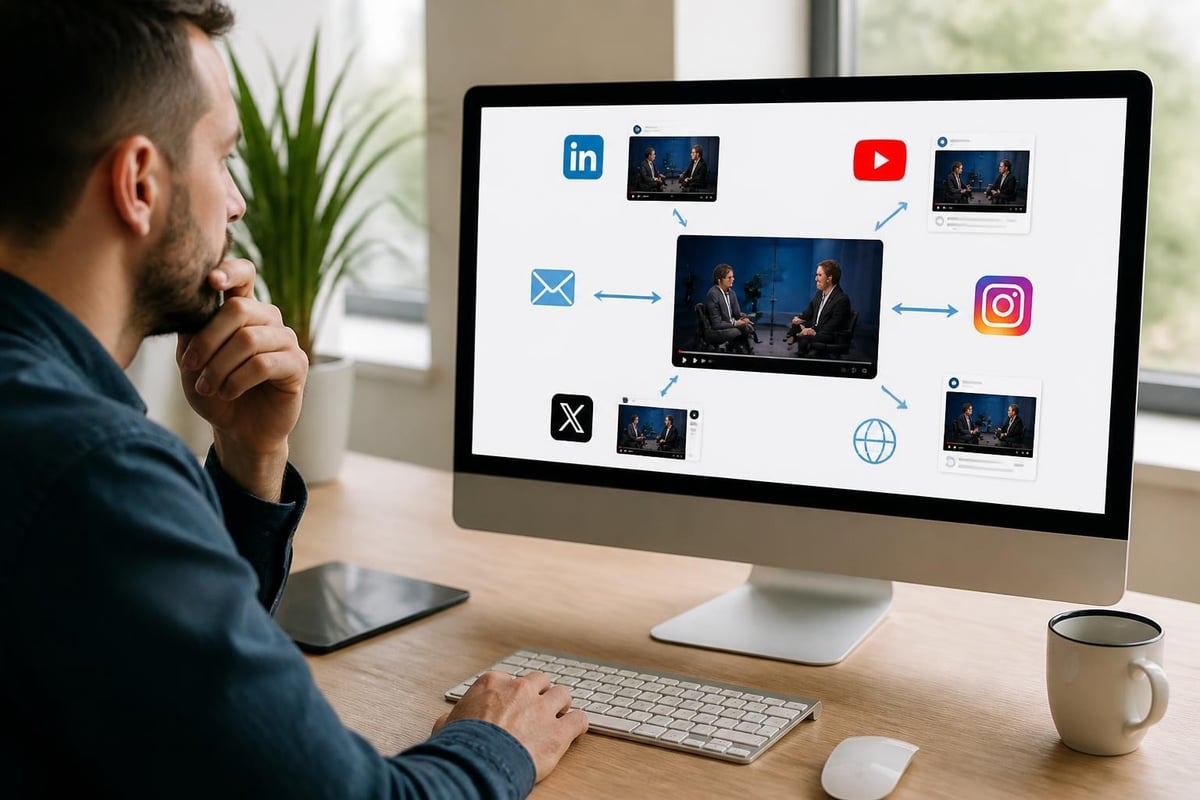
The pathway from single interview to omnipresence runs through systematic content repurposing. Professional marketers use content repurposing to extend reach without proportional increases in production effort. For TV interviews, this strategy proves especially powerful because the source material already carries broadcast credibility.
From Broadcast to Digital Assets
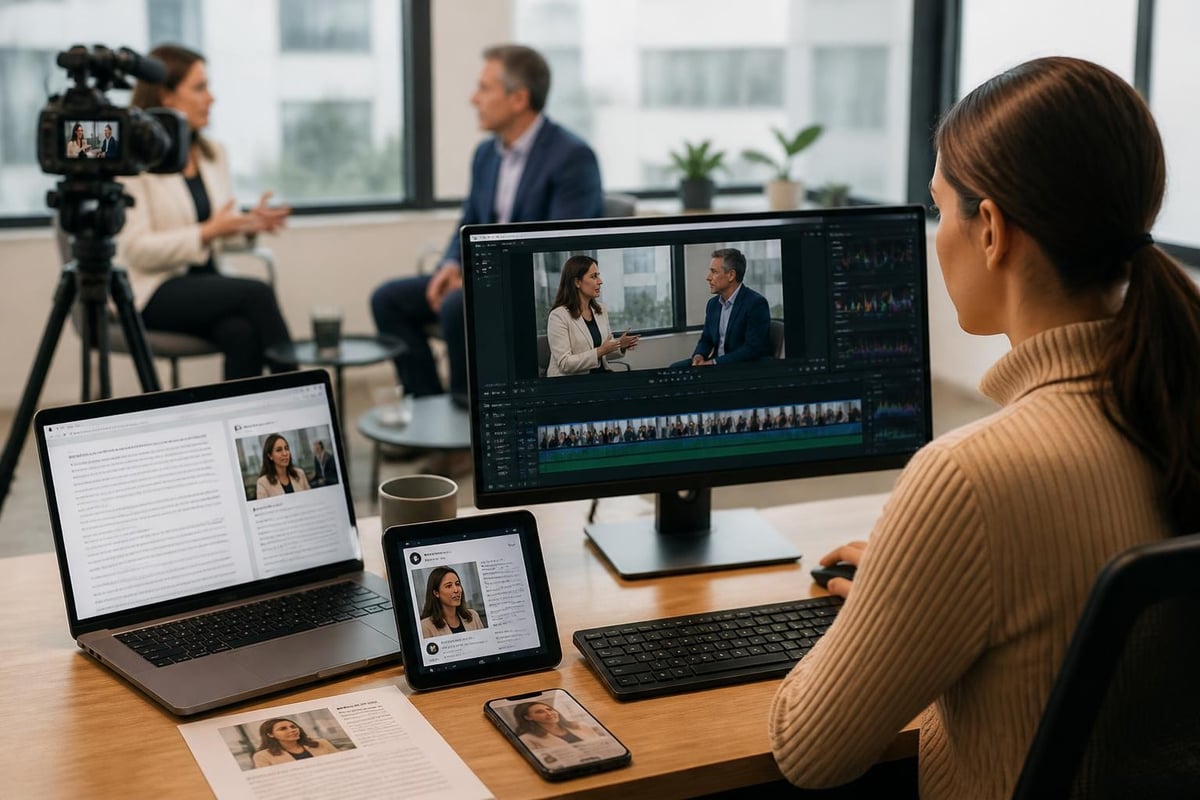
Every television interview generates multiple content assets that can be deployed across channels. The video file itself becomes the foundation, but transcripts, quote cards, audiograms, and written summaries each serve distinct audience segments and platform algorithms.
Video optimization starts immediately after broadcast. The full interview should be uploaded to YouTube with proper metadata, timestamps, and keyword-rich descriptions. Google’s video best practices emphasize structured data and accessibility features like captions, which also improve search visibility and viewer retention.
Short-form clips perform differently than long-form content. A 15-minute interview should be cut into:
- Teaser clips (15-30 seconds) for Instagram Reels and TikTok
- Key insight segments (60-90 seconds) for LinkedIn and Twitter
- Deep-dive excerpts (3-5 minutes) for YouTube and Facebook
- Audiograms for podcast platforms and audio-first audiences
Written Content That Extends Reach
Transcripts serve dual purposes: accessibility and SEO. Search engines index text more effectively than video content, so a properly optimized transcript allows prospects to discover your expertise through organic search months or years after the original broadcast.
The transcript becomes the foundation for:
- Blog posts that expand on interview topics
- LinkedIn articles with embedded video clips
- Newsletter content featuring expert insights
- Website authority pages showcasing media appearances
How tv interviews create omnipresence through written content depends on strategic keyword integration and internal linking. Each piece should reference the TV appearance while providing standalone value, creating a web of interconnected content that reinforces expertise.
Measurement and Share of Voice
Visibility without measurement remains guesswork. Understanding how tv interviews create omnipresence requires tracking both quantitative metrics and qualitative indicators of market presence. Share of voice measurement helps quantify visibility relative to competitors and industry benchmarks.
Key Performance Indicators for TV-Driven Omnipresence
Traditional broadcast metrics like viewership and ratings matter, but omnipresence demands tracking across the entire customer journey. Executives should monitor:
Awareness metrics that show expanding recognition:
- Branded search volume increases
- Social media mention frequency
- Website traffic from new sources
- Media inquiry and interview requests
Engagement indicators that reveal deepening relationships:
- Content share rates across platforms
- Email open rates for interview announcements
- Video completion rates on repurposed clips
- Comment quality and conversation depth
Conversion signals that connect visibility to business outcomes:
- Inbound lead source attribution
- Sales cycle length for prospects who engaged with media content
- Premium pricing acceptance rates
- Strategic partnership opportunities
| Metric Category | Measurement Window | Target Benchmark |
|---|---|---|
| Search volume lift | 30-90 days post-interview | 15-30% increase |
| Social reach | 7-14 days per post | 5-10x follower count |
| Website traffic | 60-90 days sustained | 20-40% increase |
| Lead quality score | 90-180 days | 25% improvement |
Cross-Platform Presence and Audience Reach
Television viewing remains substantial, with ad-supported content capturing significant audience share across linear and streaming platforms. This reach provides the initial exposure that feeds omnipresence strategies, but the real power emerges when TV content flows into digital ecosystems.
The Omnichannel Expert Positioning System
How tv interviews create omnipresence becomes clear when examining the typical customer journey. Prospects rarely make decisions after single exposures. They research, compare, validate, and hesitate before engaging with premium services or high-value solutions.
A prospect might:
- First exposure: See you on morning TV discussing industry trends
- Second touchpoint: Encounter a LinkedIn clip from that interview days later
- Third interaction: Read a blog post expanding on your TV insights
- Fourth contact: Receive an email newsletter featuring the interview
- Fifth engagement: Discover your YouTube channel while researching solutions
- Sixth touchpoint: Notice colleagues sharing your media appearances
- Decision moment: Contact you because you're "everywhere" in their research
This apparent omnipresence isn't accidental. It results from systematic distribution of TV content across every channel where target audiences spend attention.
Platform-Specific Optimization Strategies
Each platform demands unique formatting and positioning approaches. LinkedIn audiences expect professional insights with business applications. Instagram users engage with visual storytelling and personal brand elements. YouTube viewers seek educational depth and comprehensive coverage.
LinkedIn strategy emphasizes thought leadership and industry commentary. Upload native video clips with professional captions, tag relevant companies and topics, and encourage meaningful discussion in comments. Posts that reference TV appearances while adding new insights generate higher engagement than simple broadcast announcements.
YouTube positioning focuses on SEO and evergreen value. Create playlists that organize interviews by topic, add chapter markers to longer videos, and develop supplementary content that answers questions raised during TV appearances. The goal is becoming the definitive video resource in your niche.
Email integration treats TV interviews as credibility anchors. Announce upcoming appearances, share key insights post-broadcast, and use interview topics as newsletter themes. Subscribers who see consistent media activity perceive higher authority and trust.
Preparing for Interview Success and Repeatability
The quality of TV interviews directly impacts their omnipresence potential. Mediocre appearances generate limited repurposing value, while compelling segments create content assets that perform for months. Media interview preparation separates forgettable appearances from career-defining moments.
Producer-Ready Positioning and Message Discipline
Producers book guests who make their jobs easier. Experts who arrive with clear talking points, relevant examples, and camera-ready energy earn repeat invitations. This repeatability is how tv interviews create omnipresence at scale-one appearance leads to three more, which lead to ten more.
Message architecture requires distilling complex expertise into memorable sound bites. Identify three core points that support your authority position, develop specific examples that illustrate each point, and practice delivering them conversationally under time pressure.
Visual storytelling matters more on television than in written formats. Reference specific numbers, name recognizable brands or case studies, and create mental images through language. Producers love guests who can explain sophisticated concepts in ways that engage general audiences.
Building a Media Interview Portfolio
Strategic experts treat TV appearances as portfolio pieces that compound value over time. Each interview should reference and build upon previous appearances, creating thematic continuity that reinforces specific positioning.
Successful media engagement depends on relationship building with producers, hosts, and booking teams. The experts who achieve true omnipresence aren't one-hit wonders-they're reliable contributors who producers call repeatedly.
This repeatability creates several advantages:
- Topic ownership: Regular appearances on specific subjects establish you as the definitive expert
- Audience familiarity: Viewers recognize and trust familiar faces
- SEO authority: Multiple indexed appearances dominate search results for your topics
- Network effects: Producers recommend reliable guests to colleagues at other shows
Integration with Broader Authority Systems
Television interviews work most powerfully when integrated into comprehensive authority strategies. Standalone appearances create temporary visibility. Systematic media programs built around books, podcasts, speaking engagements, and thought leadership content generate sustained omnipresence.
The Authority Flywheel Effect
How tv interviews create omnipresence accelerates when media appearances feed other credibility assets. A CEO who appears on TV discussing concepts from their published book creates multiple credibility signals. That same interview becomes podcast content, conference presentation material, and LinkedIn article topics.
Book integration proves especially effective. Television producers prefer guests who've written books-it signals commitment and expertise depth. During interviews, mention the book naturally when relevant. Post-broadcast, the publisher can promote the appearance, and book buyers discover the interview through research.
Podcast leverage works bidirectionally. Host a podcast to practice interview skills, develop relationships with media-savvy experts, and create content that attracts TV producer attention. After TV appearances, discuss the experience and expand on topics during podcast episodes.
Speaking opportunities multiply when event organizers see TV credentials. Conference planners want speakers with proven communication skills and market recognition. TV appearances provide both, while speaking engagements generate new content for future media pitches.
Systematic Pipeline Development
Experts who maintain omnipresence don't wait for opportunities-they engineer systematic pipelines that generate consistent media placement. This requires understanding producer needs, maintaining pitch-ready topics, and delivering reliable performance that earns repeat bookings.
The omnipresence pipeline includes:
- Topic development: Identify 10-15 pitch-worthy subjects tied to current events and industry trends
- Relationship building: Connect with producers, maintain contact, provide value between appearances
- Performance excellence: Over-deliver on every appearance to earn future invitations
- Content maximization: Repurpose systematically to extend reach of each appearance
- Measurement and refinement: Track results, identify what works, optimize the system
Television interviews deliver credibility and reach that digital-only strategies can't match, while systematic repurposing extends single appearances into months of sustained visibility across every platform your prospects use. Mitch Carson, creator of the BookedForTV™ Guaranteed Placement System and host of Amazing Authorities on NBC Las Vegas, specializes in helping CEOs, founders, authors, and experts secure guaranteed TV interviews and build market-leading authority through producer-ready positioning, on-camera performance, and strategic media visibility. If you're ready to transform your expertise into omnipresent authority that attracts premium clients, Mitch Carson can help you build a systematic TV presence that positions you as the recognized expert in your field.