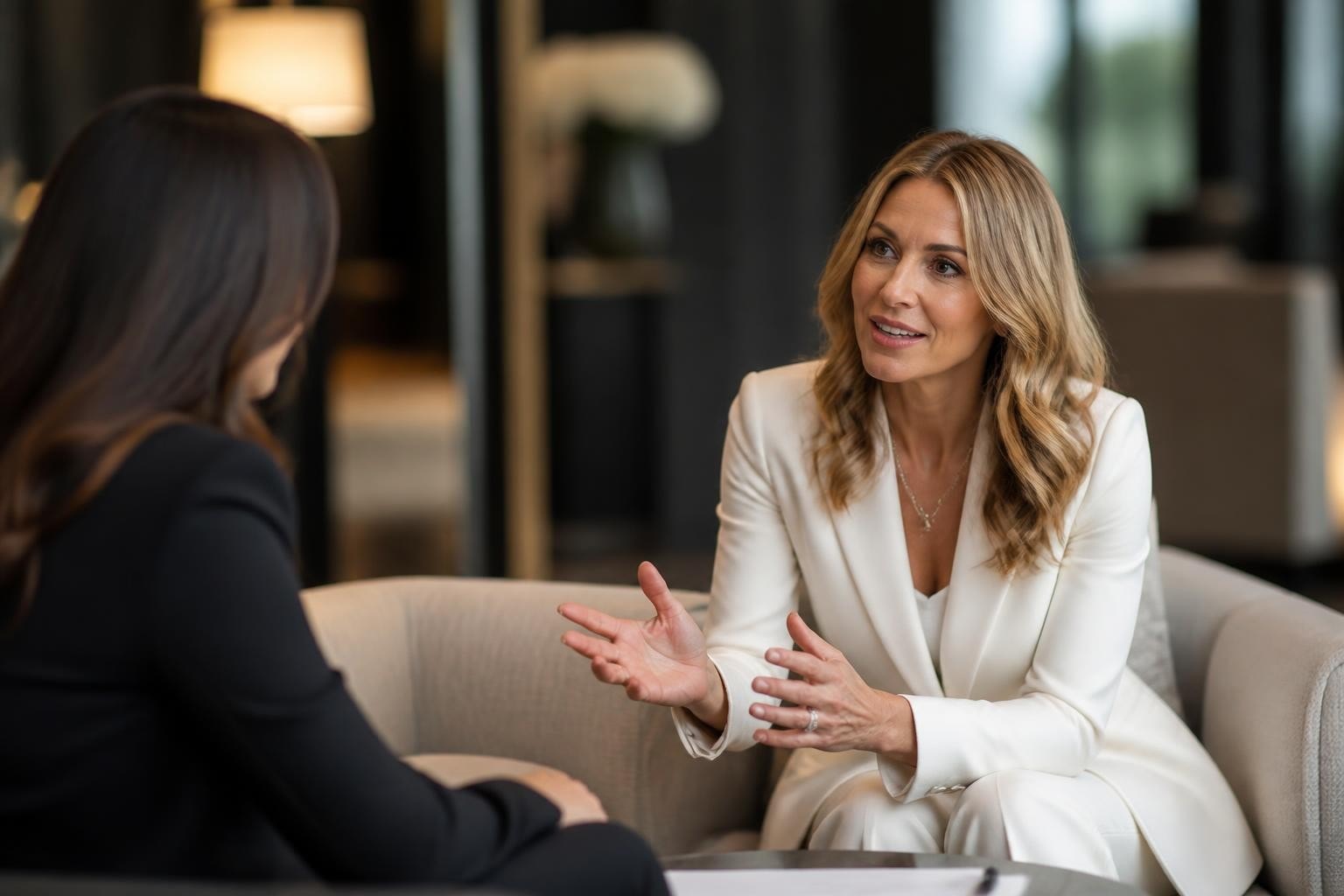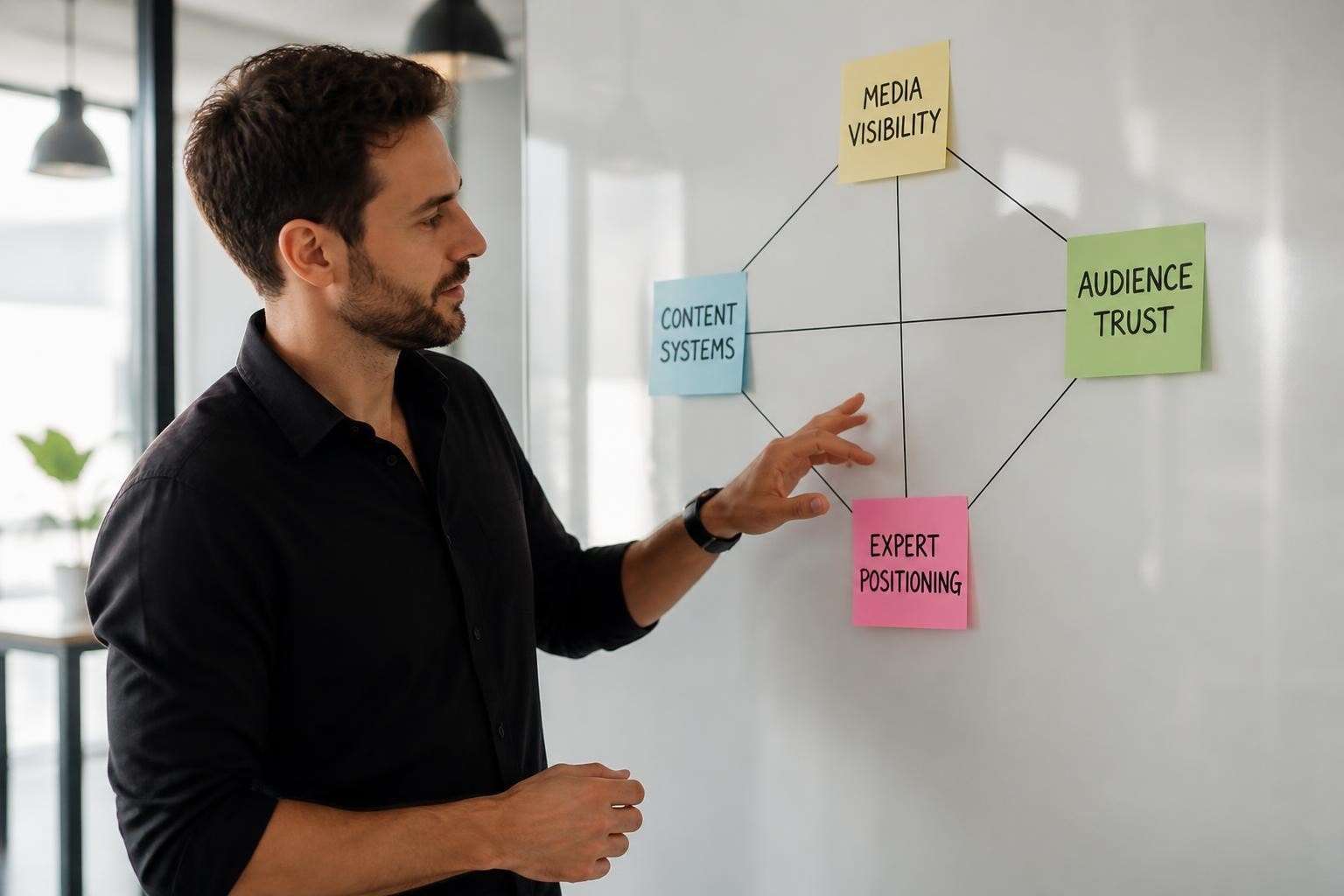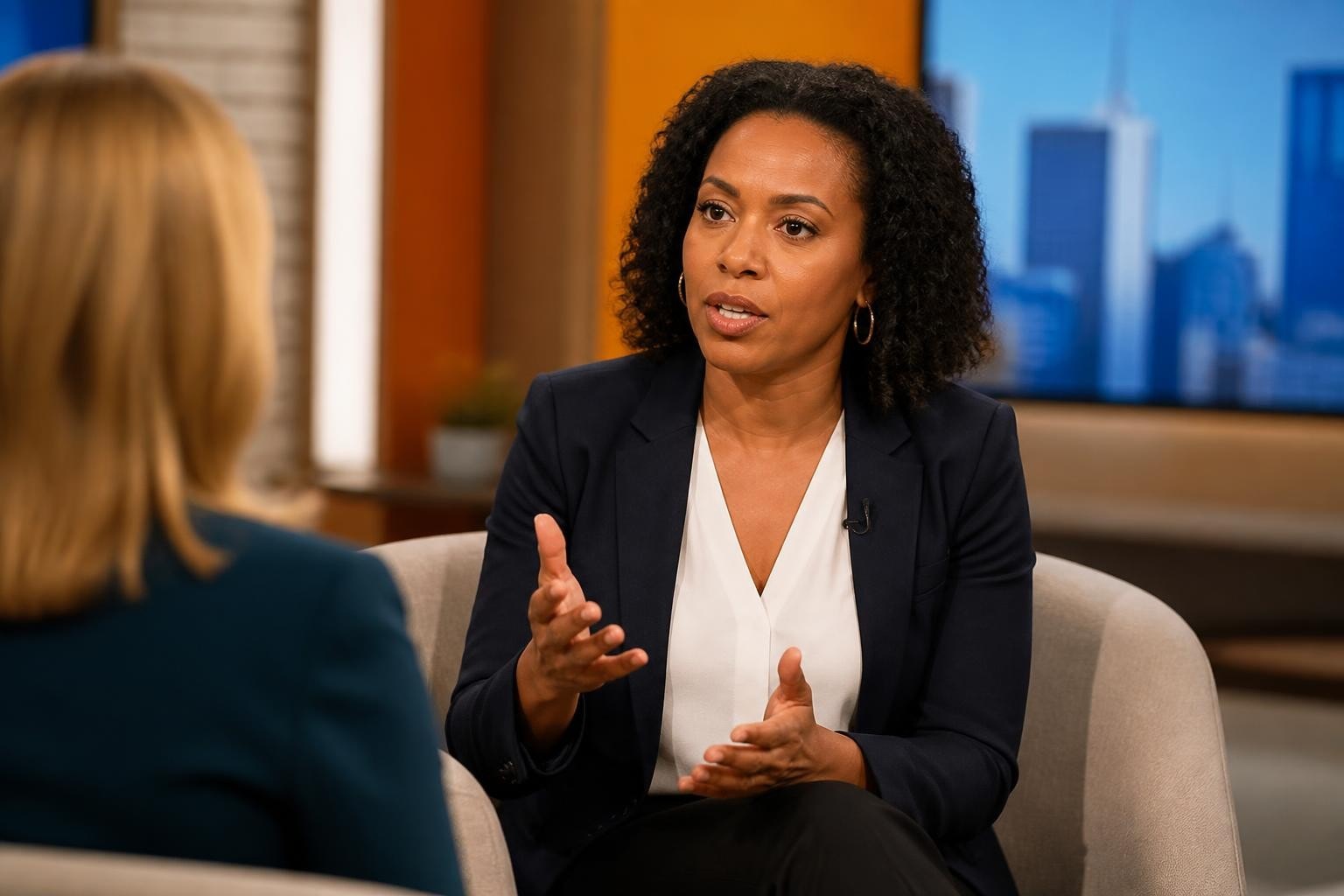
Television appearances represent one of the most powerful platforms for CEOs, authors, and experts to establish authority and reach premium audiences. Yet the moment that red camera light switches on, even seasoned executives can feel their confidence waver. Learning how to speak confidently on TV isn't just about controlling nerves; it's about mastering the unique dynamics of on-camera communication, understanding producer expectations, and delivering your message with the credibility that positions you as a recognized expert in your field.
The Psychology Behind On-Camera Confidence
The camera creates a unique psychological environment that differs fundamentally from boardroom presentations or keynote speeches. When you understand what triggers anxiety and what builds genuine confidence, you gain control over your performance.
Television amplifies every micro-expression, vocal hesitation, and moment of uncertainty. This magnification effect explains why professionals who command conference rooms sometimes struggle on camera. The American Psychological Association provides evidence-based approaches for managing performance anxiety through cognitive behavioral techniques and systematic desensitization.
Understanding the Unique Demands of Television
Television operates under constraints that don't exist in other communication formats:
- Time compression: Complex ideas must be distilled into 30-90 second segments
- Visual scrutiny: Audiences process your body language simultaneously with your words
- Permanence: Recorded segments live indefinitely, raising the perceived stakes
- Distance: You're speaking to millions through a lens, without immediate feedback
Mastering how to speak confidently on TV requires acknowledging these realities and preparing specifically for them. The executives who appear most natural on camera have typically invested significant preparation time before their first appearance.
Voice Mastery for Television Authority
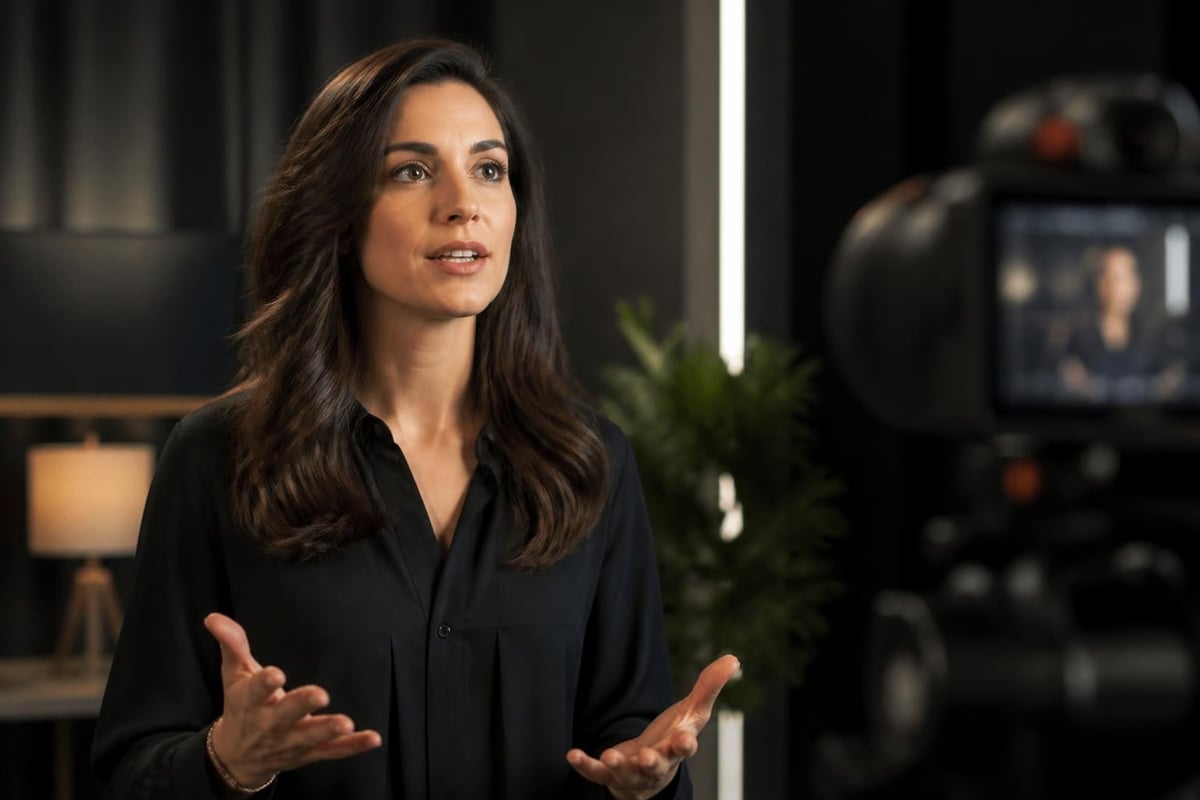
Your voice carries your expertise, and television demands vocal precision that exceeds everyday conversation. Developing broadcast-quality vocal delivery transforms how audiences perceive your authority.
Breath Control and Vocal Power
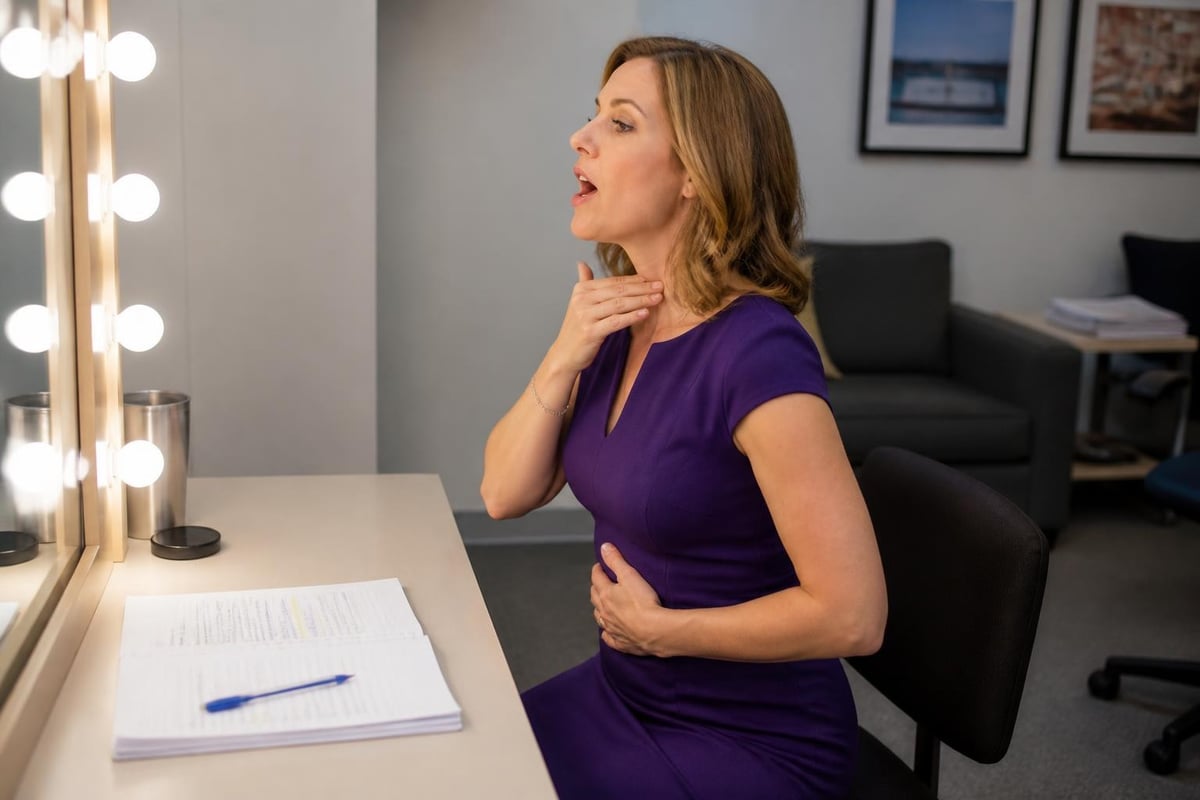
Shallow breathing undermines confidence instantly. Television professionals use diaphragmatic breathing to maintain vocal steadiness under pressure.
Practice this fundamental exercise: Place one hand on your chest and one on your abdomen. When breathing correctly for television, your abdomen expands while your chest remains relatively still. This technique provides the breath support necessary for projecting authority without vocal strain.
The University of Minnesota’s communications guidance offers practical exercises for maximizing vocal presence specifically for broadcast media. These techniques directly improve how to speak confidently on TV by building the physical foundation of vocal authority.
Pacing and Articulation
Television audiences process information differently than live audiences. Speaking too quickly suggests nervousness; too slowly suggests uncertainty.
| Vocal Element | Ideal Range | Common Mistake |
|---|---|---|
| Speaking rate | 150-160 words/minute | Rushing through at 180+ wpm |
| Pause duration | 1-2 seconds between ideas | Eliminating pauses entirely |
| Pitch variation | 2-3 note range | Monotone delivery |
| Volume consistency | ±10% variance | Trailing off at sentence ends |
Professional vocalists and broadcast journalists spend years developing these ranges naturally. You can accelerate this development through recorded practice sessions where you analyze your own delivery objectively.
Physical Presence and Body Language Strategies
The camera reads your body language before your words register. Strategic physical positioning communicates confidence even when you're managing internal nerves.
Posture and Positioning Fundamentals
Sit or stand with your spine aligned and shoulders relaxed but not slumped. This posture opens your chest cavity for better breath support while projecting executive presence. Leaning slightly forward (approximately 5-10 degrees) demonstrates engagement without appearing anxious.
The Toastmasters guidance on camera work provides rehearsal strategies and habit-building techniques for maintaining natural, confident posture throughout extended segments.
Your hands should remain visible and purposeful:
- Rest them naturally on your lap or desk when not gesturing
- Use deliberate gestures to emphasize key points, keeping movements within the camera frame
- Avoid repetitive touching of your face, hair, or jewelry
- Maintain open palm positions rather than closed fists
Eye Contact and Camera Connection
Looking directly at the camera lens creates the intimacy that television demands. This feels unnatural initially because you're staring at glass rather than engaging with a person.
Practice this technique: Place a small photo of someone you trust near your camera lens during practice sessions. Speak to that person rather than to the void. This psychological trick helps you connect emotionally even when speaking to equipment.
Mental Preparation Techniques Used by TV Professionals
The green room moments before your segment often determine your on-camera performance. Systematic mental preparation separates professionals from amateurs.
Reframing Nervous Energy
Anxiety and excitement produce identical physiological responses: elevated heart rate, heightened alertness, and increased energy. The difference exists only in how you interpret these sensations.
Reframe your pre-show nerves as performance energy. Tell yourself, "I'm excited to share this expertise" rather than "I'm nervous about making mistakes." This cognitive reappraisal technique comes from sports psychology and transfers directly to understanding how to speak confidently on TV.
Visualization and Mental Rehearsal
Elite performers in every field use visualization. Three days before your appearance, begin running mental rehearsals:
- Visualize yourself speaking with authority and clarity
- Imagine the host asking challenging questions and yourself responding with composed expertise
- See the camera light, feel the studio temperature, hear the ambient sound
- Experience the satisfaction of delivering your core message perfectly
This mental practice creates neural pathways that your brain treats as actual experience, building genuine confidence before you ever enter the studio.
Message Preparation and Content Strategy
No amount of vocal technique or physical presence compensates for unclear messaging. Knowing how to speak confidently on TV requires absolute clarity about what you're communicating.
The Three-Point Message Framework
Television segments demand ruthless simplicity. Producers and audiences both appreciate experts who deliver clear, memorable takeaways.
Structure every appearance around exactly three core points. This limitation forces you to identify what truly matters and eliminates the rambling that destroys credibility. Your three points should:
- Address your audience's primary concern or question
- Provide actionable insight they can implement immediately
- Position your unique expertise or methodology
Chris Anderson’s perspective on great public speaking emphasizes that memorable talks center on one powerful idea. This principle applies directly to television, where concise, focused messaging outperforms comprehensive coverage every time.
Storytelling for Maximum Impact
Abstract concepts and statistics bounce off television audiences. Stories create the emotional connection that builds authority and trust.
Develop three personal stories that illustrate your expertise:
- The transformation story: A client or situation that changed dramatically through your approach
- The failure story: Your own mistake that taught you something valuable
- The origin story: Why you dedicated yourself to this particular expertise
Each story should run 45-60 seconds when told concisely. Practice these until you can deliver them naturally, without sounding rehearsed or memorized.
Rehearsal Systems That Build Genuine Confidence
Understanding techniques intellectually differs fundamentally from executing them under pressure. Systematic rehearsal transforms knowledge into reliable performance.
Recording and Self-Analysis
Set up a camera and record yourself delivering your three core messages. This feels uncomfortable initially, but it's the fastest path to improvement.
During playback, watch for:
- Filler words ("um," "you know," "like") that undermine authority
- Repetitive gestures or movements
- Eye contact consistency with the lens
- Energy level and vocal variety
- Overall message clarity
Create a simple scorecard to track improvement across practice sessions:
| Element | Session 1 | Session 2 | Session 3 | Session 4 |
|---|---|---|---|---|
| Filler words per minute | 8 | 6 | 3 | 1 |
| Direct eye contact % | 60% | 75% | 85% | 90% |
| Message clarity (1-10) | 6 | 7 | 8 | 9 |
| Vocal energy (1-10) | 5 | 6 | 8 | 9 |
This data-driven approach removes subjective feelings and focuses improvement on measurable outcomes.
Mock Interview Practice
Recruit a colleague to conduct realistic practice interviews. Provide them with tough questions, including:
- Challenges to your methodology or approach
- Requests for specific examples or proof
- Interruptions and topic pivots
- Time constraints ("Give us that answer in 20 seconds")
The discomfort you feel during these rehearsals is exactly what builds the resilience you need for live television. Each practice session deposits confidence into your psychological bank account.
Executive Presence and Authority Projection
CEOs and recognized experts share specific qualities that communicate competence instantly. These elements of executive presence can be developed systematically.
Harvard Business Review’s research on executive presence identifies voice, posture, and credibility markers as the foundation of authority on camera. Understanding how to speak confidently on TV means integrating these elements until they become second nature.
Controlling Vocal Authority Markers
Authority lives in specific vocal characteristics that listeners process subconsciously:
- Downward inflection at sentence endings (statements sound confident; upward inflection sounds uncertain)
- Strategic pauses before key points (demonstrates you're choosing words deliberately)
- Consistent volume throughout sentences (avoiding the fade that suggests doubt)
- Vocal resonance in the chest register (projecting from the diaphragm, not the throat)
NPR’s training guidance provides practical, trainer-led techniques for developing these vocal qualities naturally. Their approach focuses on sounding authoritative without appearing scripted or artificial.
Managing Composure Under Pressure
Television occasionally delivers unexpected moments: technical difficulties, challenging questions, or controversial topics. Your response to these moments defines your authority more than your prepared segments.
Practice the pause. When surprised or challenged, take a deliberate breath before responding. This two-second pause accomplishes multiple objectives:
- Gives you time to formulate a thoughtful response
- Prevents defensive reactions
- Demonstrates confidence and control
- Creates dramatic emphasis for your answer
The pause feels much longer to you than to viewers. What you experience as awkward silence reads as thoughtful expertise to audiences.
Wardrobe and Visual Presentation Strategy
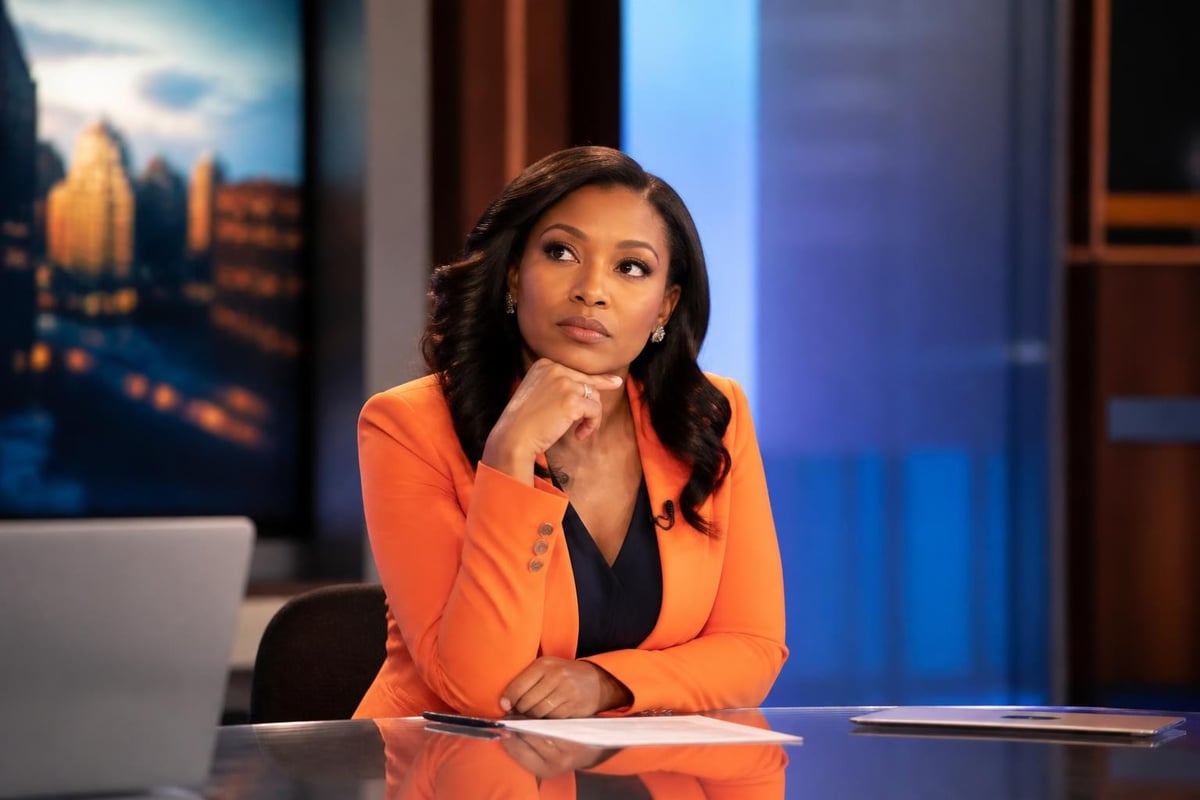
Your visual presentation communicates before you speak. Strategic wardrobe choices support your message rather than distracting from it.
Color and Pattern Guidelines
Television cameras process color differently than the human eye. Certain choices enhance your presence; others create technical problems.
Optimal color choices:
- Deep blues and burgundies project authority and credibility
- Earth tones create approachable warmth
- Jewel tones add visual interest without overwhelming
Avoid these elements:
- Pure white or black (creates contrast problems)
- Small patterns like tight stripes or herringbone (cause moiré effects)
- Shiny fabrics that create distracting reflections
- Logos or busy graphics that pull focus from your face
Professional Polish Details
Small details compound into overall executive presence. Pay attention to:
- Ensure clothing fits properly without pulling or bunching
- Remove items from pockets that create bulges or lines
- Choose solid colors for your primary garment
- Keep jewelry minimal and non-distracting
- Ensure grooming is camera-ready (hair, makeup if needed)
These elements seem superficial, but they remove obstacles between your message and your audience. When viewers focus on your content rather than your appearance, you've succeeded.
Technical Preparation for Different Television Formats
Studio interviews, remote segments, and live broadcasts each demand specific preparation. Understanding these distinctions helps you adapt your approach effectively.
In-Studio Appearances
Studio environments provide maximum control: professional lighting, audio equipment, and technical support. Your preparation focuses entirely on message and performance.
Arrive 30 minutes early to acclimate to the environment. Use this time to:
- Test your seated position and adjust for comfort
- Identify where the primary camera is located
- Do vocal warm-ups in the green room
- Review your three core messages one final time
- Connect briefly with producers or hosts
Remote and Virtual Interviews
Remote segments introduce technical variables you must control personally. Your home or office setup determines video and audio quality.
Essential remote setup requirements:
| Element | Professional Standard | Common Mistake |
|---|---|---|
| Camera height | Eye level, straight ahead | Looking down at laptop camera |
| Lighting | Soft, diffused light on face | Harsh overhead or backlighting |
| Background | Clean, professional, uncluttered | Busy or distracting elements |
| Audio | External microphone | Built-in laptop mic |
| Internet | Hardwired connection | Unreliable WiFi |
Test your setup with someone 24 hours before your appearance. What looks acceptable to you may appear unprofessional on camera.
Ongoing Skill Development for Television Mastery
Learning how to speak confidently on TV is not a one-time achievement but an evolving skill set. The executives who become recognized television authorities commit to continuous improvement.
Creating Your Personal Development Plan
Build a systematic approach to expanding your on-camera capabilities:
Monthly practice sessions: Record yourself delivering new material at least once per month. Analyze the recording and identify one specific element to improve.
Quarterly feedback: Ask trusted colleagues or professionals to evaluate your recorded appearances and provide specific, actionable feedback.
Annual strategy review: Assess which appearances generated the best results (client inquiries, speaking invitations, media requests) and reverse-engineer what made them effective.
Learning from Every Appearance
Treat each television segment as a learning laboratory. Within 48 hours of every appearance, complete this analysis:
- What worked well that you should replicate?
- What felt uncomfortable or unclear?
- How did you handle unexpected moments?
- What would you change in your next appearance?
- What feedback did you receive from viewers or producers?
This reflective practice accelerates your development far beyond simply accumulating appearances. Ten analyzed segments build more skill than fifty unexamined ones.
Advanced Techniques for Veteran TV Guests
Once you've mastered the fundamentals, advanced techniques distinguish good television guests from unmissable authorities.
Message Bridging Under Pressure
Skilled interviewers sometimes ask questions outside your expertise or designed to create controversy. Message bridging returns the conversation to your core area without appearing evasive.
The bridge formula: Acknowledge the question briefly, then transition to your message using connecting phrases:
- "That's an interesting angle. What I've observed in my work is…"
- "I can't speak to that specifically, but what I can tell you is…"
- "Here's what's really important about this topic…"
This technique respects the interviewer while maintaining control over your message and positioning.
Creating Memorable Sound Bites
Producers value guests who deliver quotable, shareable content. Sound bites don't emerge spontaneously; they're crafted in advance.
Develop three 10-15 word statements that capture your core philosophy or approach. These should be:
- Concise enough to fit in a social media post
- Specific enough to be meaningful
- Compelling enough to be remembered and repeated
Practice inserting these statements naturally into conversation rather than forcing them awkwardly.
The Compound Effect of Consistent Television Presence
Understanding how to speak confidently on TV creates opportunities that compound over time. Each appearance builds upon previous ones, creating momentum in your authority positioning.
The visibility multiplier: Television appearances generate secondary opportunities:
- Speaking invitations from industry conferences
- Podcast interview requests
- Book publishing interest
- Premium client inquiries
- Media coverage in other outlets
This multiplier effect explains why consistent television presence accelerates business growth and authority development faster than almost any other marketing strategy. The CEOs and authors who commit to regular appearances experience exponential rather than linear growth in their market positioning.
Your first appearance builds foundational skills. Your tenth appearance demonstrates consistency. Your fiftieth appearance establishes you as a recognized media expert. The progression requires patience and commitment, but the compound returns justify the investment.
Mastering how to speak confidently on TV transforms how markets perceive your expertise and opens doors to premium opportunities unavailable through other channels. The techniques outlined here-from vocal mastery and physical presence to mental preparation and message strategy-provide the foundation every television authority builds upon. Mitch Carson, creator of the BookedForTV™ Guaranteed Placement System and host of Amazing Authorities on NBC Las Vegas, specializes in helping CEOs, founders, authors, and experts secure guaranteed TV interviews and build market-leading authority through producer-ready positioning and strategic media visibility. If you're ready to establish yourself as a recognized television authority and attract the premium clients that status creates, visit Mitch Carson to learn how the BookedForTV™ system can accelerate your journey from expert to unmissable authority.