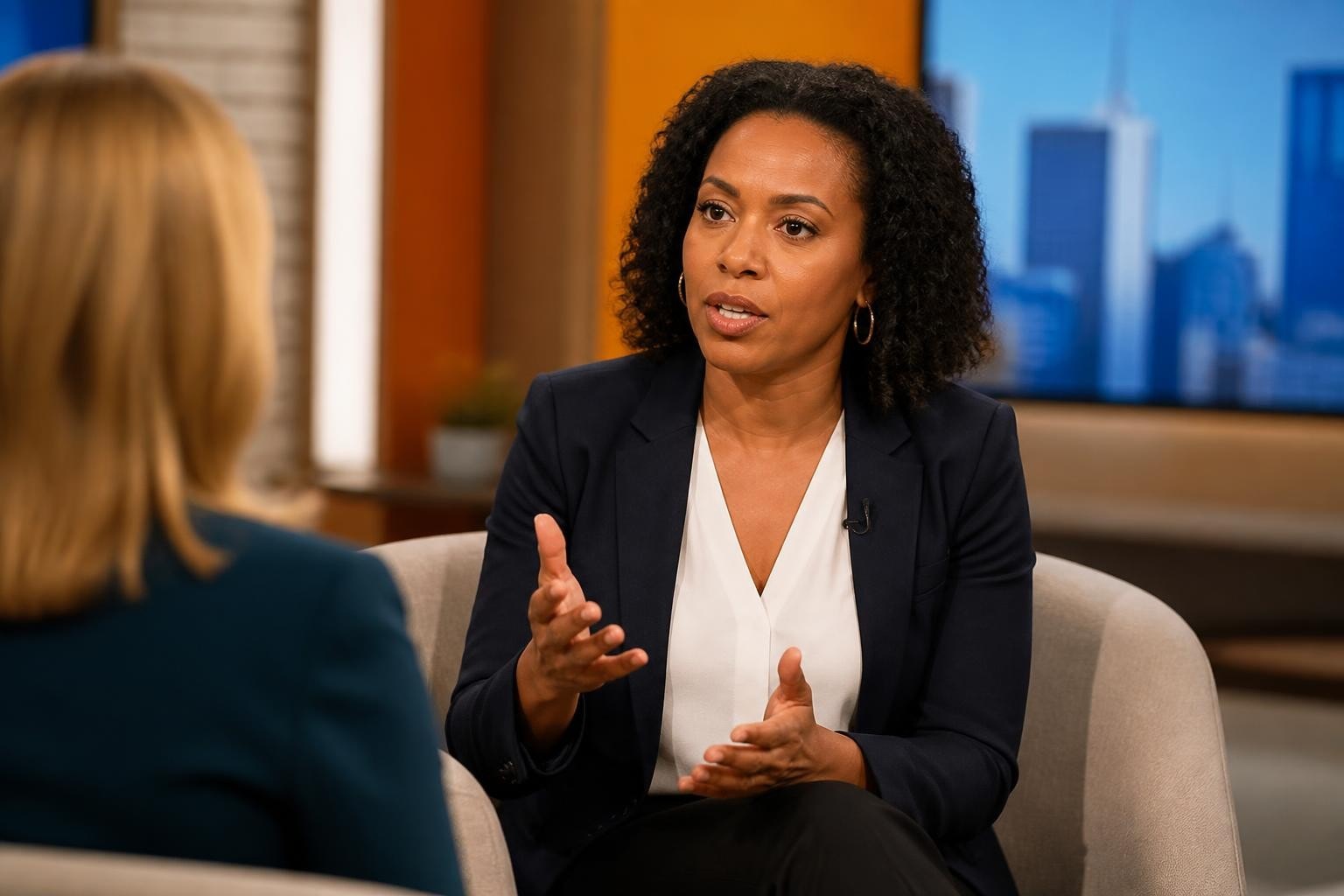
Understanding how TV producers choose guests is essential for anyone seeking to build authority through media appearances. The selection process involves far more than simply having expertise in your field. Producers evaluate potential guests through multiple lenses, including audience relevance, on-camera presence, message clarity, and the ability to deliver value within tight time constraints. For CEOs, authors, and industry experts looking to establish credibility and attract premium clients, knowing the insider criteria producers use can transform your media strategy from hopeful pitching to guaranteed placements.
The Producer's Primary Evaluation Framework
Television producers operate under intense pressure to deliver engaging content that serves their specific audience demographics. When evaluating potential guests, they begin with a fundamental question: Will this person add measurable value to our viewers?
This evaluation happens quickly. Most producers spend less than thirty seconds on an initial pitch before deciding whether to explore further. They're scanning for immediate signals that indicate you understand their show, their audience, and the specific segment format.
Audience Alignment and Relevance
The first criterion in how TV producers choose guests centers on audience alignment. Producers need concrete evidence that your expertise matches viewer interests and current concerns.
Key alignment factors producers assess:
- Demographic match between your typical client base and the show's viewership
- Topical relevance to current events, seasonal trends, or ongoing audience challenges
- Geographic considerations for local morning shows versus national programs
- Economic alignment with viewer purchasing power and lifestyle aspirations
A producer for a morning show targeting working professionals evaluates guests differently than one serving stay-at-home parents or retirees. Understanding these nuances allows you to position your expertise in ways that resonate with specific producer priorities.
The Pre-Interview Process and Its Hidden Purpose
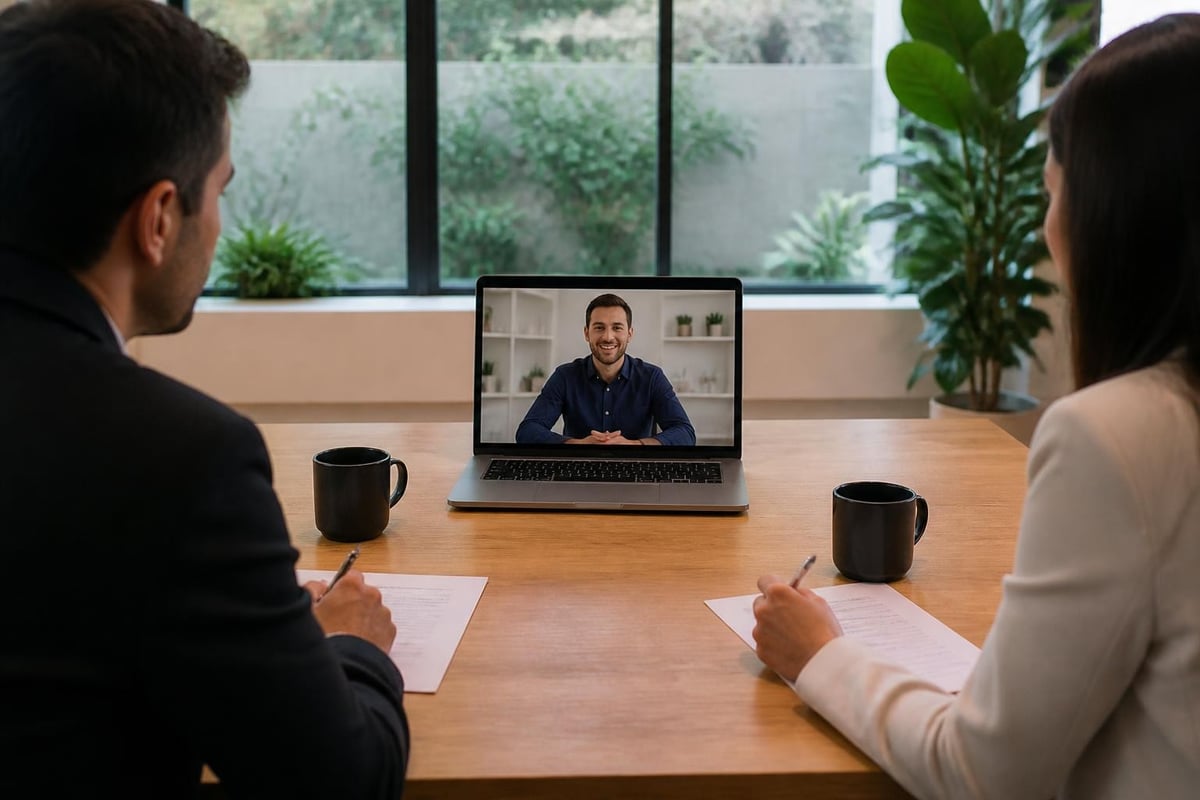
Once you pass the initial screening, producers typically conduct a pre-interview before confirming your booking. Media pre-interviews serve multiple purposes beyond simply learning about your expertise.
The pre-interview reveals how you think on your feet, whether you can deliver concise answers, and if you'll follow producer direction. This conversation is your audition, even if it feels casual.
What Producers Listen For During Pre-Interviews
During these conversations, producers evaluate several critical factors that determine how TV producers choose guests for final booking:
- Answer structure and brevity – Can you deliver complete thoughts in 30-45 seconds?
- Energy and enthusiasm – Does your voice convey passion without overwhelming?
- Flexibility and coachability – Will you adapt when given direction about angles or timing?
- Story clarity – Can you illustrate points with specific, relatable examples?
- Technical reliability – Do you have proper equipment, lighting, and internet connection?
The producer is simultaneously assessing content value and execution risk. Even brilliant expertise becomes unusable if you can't communicate it effectively within broadcast constraints.
Credibility Signals That Influence Selection
Producers need guests who bring legitimate authority to their segments. However, credibility extends beyond credentials into how you present your expertise publicly.
| Credibility Element | What Producers Evaluate | Why It Matters |
|---|---|---|
| Published Work | Books, articles, research papers | Demonstrates sustained expertise and peer validation |
| Media Experience | Previous TV, podcast, or radio appearances | Reduces production risk and shows camera readiness |
| Client Results | Documented outcomes and testimonials | Provides proof of practical application |
| Digital Presence | Website quality, social proof, content consistency | Indicates professional positioning and audience building |
| Industry Recognition | Awards, certifications, speaking engagements | Confirms third-party validation of expertise |
Understanding what TV producers want from potential guests helps you build these credibility markers strategically rather than accidentally.
Your digital footprint serves as your permanent portfolio. Producers research potential guests online, evaluating how you present yourself across platforms. Inconsistent messaging or sparse professional presence raises questions about your authority level.
Message Development and Segment Fit
How TV producers choose guests often hinges on message clarity and segment compatibility. Producers need to visualize exactly how your expertise translates into their format before extending an invitation.
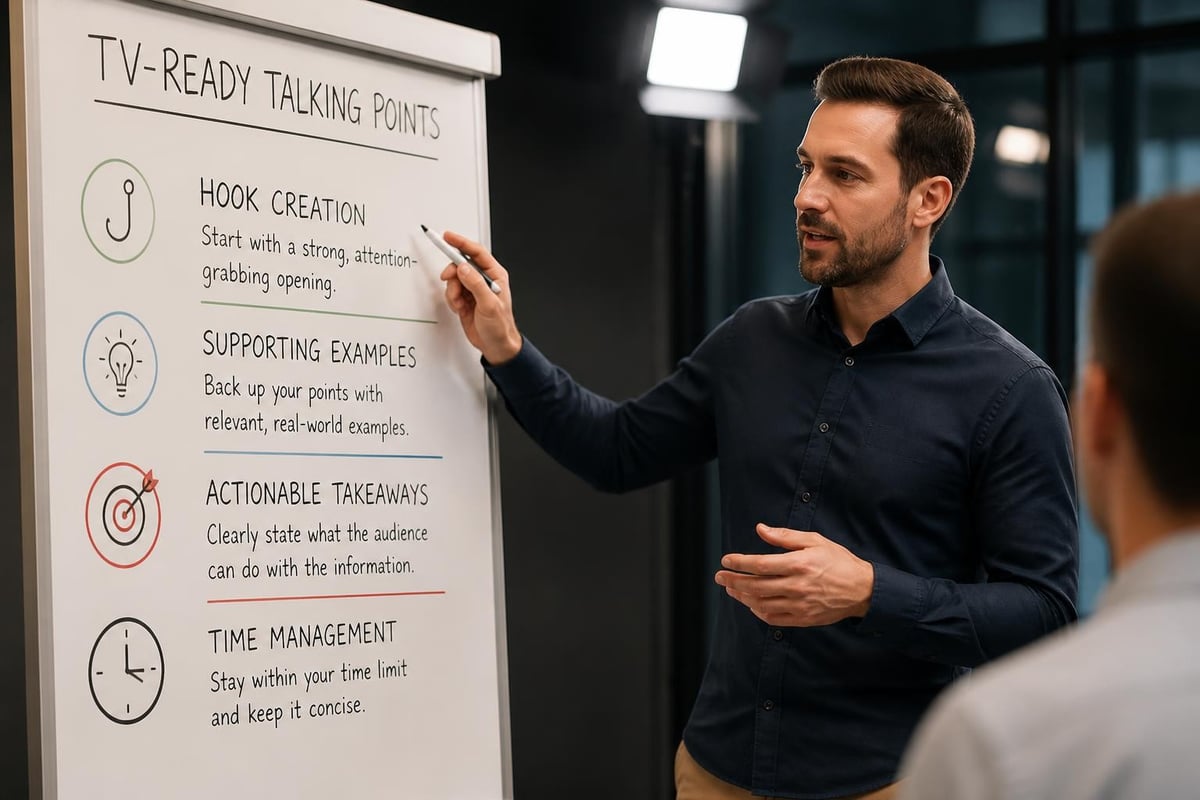
Crafting Producer-Ready Talking Points
Successful guest candidates arrive with pre-developed talking points that align with show formats. This preparation demonstrates production awareness and reduces the producer's workload.
Effective talking point characteristics:
- Specific rather than general – "Three financial mistakes new retirees make in their first year" beats "retirement planning tips"
- Actionable for viewers – Audiences should leave with steps they can implement immediately
- Time-appropriate – Each point should expand to 60-90 seconds of discussion
- Visual-friendly – Consider how points could incorporate graphics, demonstrations, or examples
When you position yourself to land on a TV producer’s radar, message clarity becomes your competitive advantage. Producers gravitate toward guests who make their jobs easier by arriving segment-ready.
The Relationship Factor in Guest Selection
While expertise and message matter tremendously, how TV producers choose guests frequently involves relationship dynamics that newcomers overlook.
Producers maintain networks of reliable guests they can book quickly when segments need filling. Breaking into these networks requires understanding the long-term relationship approach.
Building Producer Relationships Strategically
Television operates on relationship currency. Building relationships with TV producers requires patience, consistency, and value delivery beyond individual appearances.
The most bookable guests demonstrate reliability across multiple dimensions:
- Responsive communication – Answering emails within hours, not days
- Flexible scheduling – Accommodating last-minute opportunities when breaking news creates openings
- Professional delivery – Showing up prepared, on time, and technically ready
- Post-appearance value – Sharing segments on social media and thanking production teams
- Ongoing relevance – Staying connected with updates on new expertise areas or timely topics
Producers remember guests who made their lives easier and return to them repeatedly. A single successful appearance can lead to recurring bookings when you maintain the relationship properly.
Topic Timing and News Cycle Awareness
The question of how TV producers choose guests cannot be separated from timing considerations. Producers constantly balance evergreen content with timely, newsworthy topics.
Seasonal and Cyclical Booking Patterns
Understanding broadcast calendars helps you pitch at optimal moments:
- January-February – New Year resolutions, tax preparation, relationship topics for Valentine's Day
- March-April – Spring cleaning, financial planning before tax deadlines, health and fitness
- May-June – Summer travel, graduation advice, wedding season topics
- July-August – Back-to-school preparation, vacation safety, summer activities
- September-October – Fall productivity, holiday preparation, financial year-end planning
- November-December – Holiday stress management, year-end tax strategies, New Year planning
Strategic experts align their pitches with these cycles, offering producers timely content that matches viewer interests during specific periods.
The Technical Readiness Requirement
Modern television production increasingly features remote guests, particularly for morning shows and news segments. Technical capability has become a non-negotiable factor in how TV producers choose guests.
| Technical Element | Minimum Standard | Professional Standard |
|---|---|---|
| Camera Quality | Built-in laptop camera | External HD webcam (1080p minimum) |
| Lighting | Natural window light | Three-point lighting setup with key and fill lights |
| Audio | Computer microphone | USB microphone or lavalier with clear pickup |
| Background | Clean, non-distracting wall | Branded or professionally designed background |
| Internet Speed | 10 Mbps download/upload | 50+ Mbps with wired connection |
| Backup Plan | Mobile hotspot available | Secondary internet source and device ready |
Producers cannot risk technical failures during live broadcasts. Demonstrating professional-grade setup differentiates you from experts who underestimate production requirements.

Pitch Quality and Presentation
How you approach producers dramatically affects how TV producers choose guests from competing pitches. The pitch itself serves as your first demonstration of communication skills.
Elements of Compelling Producer Pitches
Successful pitches follow a structured approach that respects producer time constraints while conveying essential information:
Opening hook – Lead with the specific value proposition for their audience, not your credentials. "Your viewers are losing $15,000 annually to hidden tax mistakes" captures attention better than listing your accounting certifications.
Audience benefit statement – Clearly articulate what viewers will learn, gain, or be able to do after watching your segment.
Credibility indicators – Briefly mention the most relevant credentials that establish your authority on this specific topic.
Segment angle suggestions – Offer two or three possible approaches to the topic, showing flexibility and production awareness.
Visual elements – Mention any demonstrations, graphics, or props that could enhance viewer engagement.
Availability and logistics – Indicate your flexibility and technical readiness to reduce perceived booking friction.
The most effective pitches run between 150-250 words, providing enough detail for evaluation without overwhelming busy producers reviewing dozens of daily pitches.
Diversity and Perspective Considerations
Contemporary television emphasizes diverse viewpoints and representative guest lineups. Producers actively seek experts who bring varied perspectives to mainstream topics.
This consideration affects how TV producers choose guests by creating opportunities for experts who can address universal topics through unique lenses or serve underrepresented audience segments.
Positioning Your Unique Perspective
Rather than presenting yourself as a generic expert, identify what makes your approach distinctive:
- Specialized audience focus within broader categories
- Unconventional background bringing fresh insights
- Contrarian viewpoints supported by evidence
- Cultural or demographic perspectives often missing from mainstream coverage
- Interdisciplinary approaches combining multiple expertise areas
Producers value guests who help them serve diverse audiences while maintaining high expertise standards.
The Risk-Reward Calculation
Every guest booking involves risk assessment. Producers balance the potential value a guest brings against the possibility of poor performance, controversial statements, or technical failures.
Low-risk guest indicators:
- Previous successful TV appearances with positive producer feedback
- Clear, focused messaging without tendency to go off-topic
- Professional online presence without controversial content
- Responsive communication throughout booking process
- Flexible attitude toward producer direction and segment adjustments
Higher-risk signals that affect selection:
- No media experience or training
- Tendency toward long-winded answers during pre-interviews
- Controversial social media presence or polarizing public statements
- Inflexible demands about topics, angles, or segment length
- Technical difficulties during test calls or prior appearances
Understanding this risk calculation helps you position yourself as the safe, valuable choice when producers evaluate competing experts.
Ongoing Guest Development and Repeat Bookings
The most successful media experts recognize that understanding how TV producers choose guests is just the beginning. Converting initial bookings into recurring opportunities requires strategic relationship management.
After successful appearances, maintain visibility with producers through:
- Quarterly expertise updates – Brief emails highlighting new developments in your field
- Timely pitch refreshes – Offering new angles on emerging topics within your expertise
- Social proof sharing – Informing producers of major client wins, publications, or speaking engagements
- Referral value – Connecting producers with other quality guests when you're not the right fit
- Industry intelligence – Sharing relevant trends or stories that might interest their audiences
This ongoing relationship cultivation transforms you from an occasional guest into a trusted resource producers contact proactively when relevant topics arise.
Performance Standards and Producer Expectations
Once booked, your actual performance determines whether you'll receive future invitations. Producers evaluate guests during and after appearances based on specific criteria.
On-Air Performance Metrics
| Performance Element | What Producers Notice | Impact on Future Bookings |
|---|---|---|
| Energy Level | Enthusiasm and engagement without overwhelming | High – affects viewer retention |
| Message Discipline | Staying on topic and hitting planned talking points | Critical – shows professionalism |
| Time Management | Respecting segment length and producer cues | Essential – affects show flow |
| Visual Engagement | Eye contact, gestures, and camera awareness | Moderate – impacts viewer connection |
| Flexibility | Adapting when segments run short or questions change | High – reduces producer stress |
The best guests make producers look good by delivering exactly what was discussed during pre-interviews while remaining flexible when live television demands adjustments.
Understanding how TV producers choose guests empowers you to position yourself strategically rather than hoping for lucky breaks in media placement. The selection process rewards experts who combine legitimate authority with production awareness, technical readiness, and relationship-building skills. Mitch Carson specializes in helping CEOs, authors, and industry leaders master these producer requirements through the BookedForTV™ Guaranteed Placement System, transforming qualified experts into highly bookable authorities who secure consistent media opportunities and build market-leading credibility.