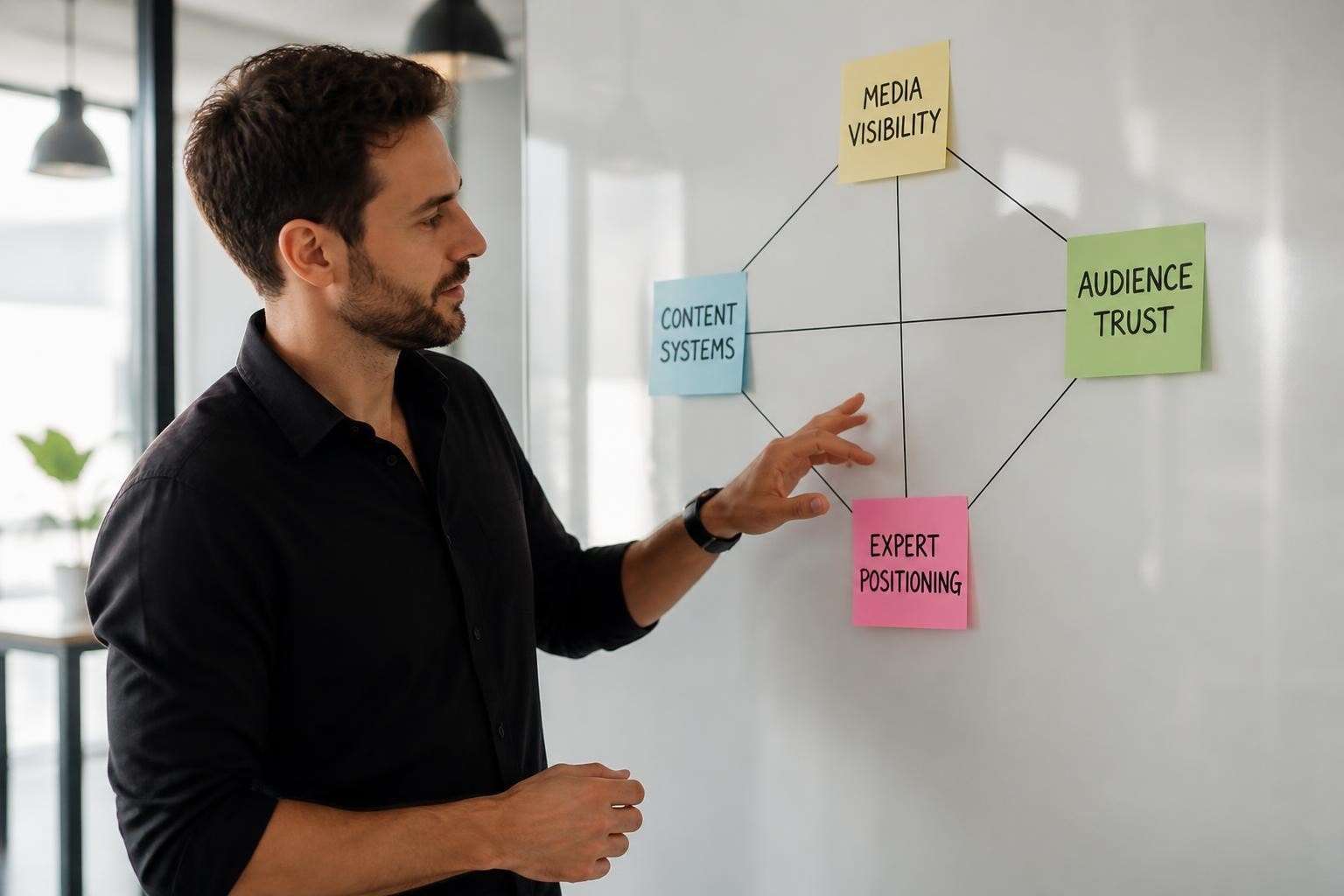
Television remains one of the most powerful credibility-building tools available to business leaders, authors, and executives. While digital platforms offer reach, TV exposure for thought leaders delivers something fundamentally different: instant authority. When potential clients see you on NBC, ABC, or Fox, their perception shifts immediately. You transition from another voice in your industry to a recognized expert worthy of premium fees and strategic partnerships.
Understanding the Authority Shift Through Television
TV exposure for thought leaders creates what psychologists call "social proof at scale." Every media appearance serves as a third-party endorsement of your expertise. Unlike self-published content or paid advertisements, television segments position you as someone vetted by producers and networks. This distinction matters enormously in competitive markets where CEOs and founders compete for attention.
The mechanics of this authority shift are straightforward. Traditional media outlets maintain editorial standards that digital platforms often lack. When a producer books you for a segment, they're essentially certifying your expertise to their audience. This certification transfers credibility in ways that social media followers or email subscribers cannot replicate.
The Psychology Behind Television Authority
Viewers assign disproportionate credibility to television guests compared to other content creators. This phenomenon stems from decades of conditioning where television represented gatekept, verified information. Even as media consumption patterns evolve, TV commercial exposure influences consumer behavior in measurable ways that digital-only strategies struggle to match.
Key psychological triggers activated by TV appearances:
- Perceived selectivity – audiences assume you were chosen from many candidates
- Production value – professional settings signal success and legitimacy
- Association – alignment with established networks transfers their brand equity
- Permanence – recorded segments become evergreen credibility assets
These triggers work independently of your actual message content. The medium itself delivers the authority signal before you speak a single word.
Strategic Positioning for Television Opportunities
Securing TV exposure for thought leaders requires understanding producer psychology and network needs. Producers face constant pressure to deliver engaging content that serves their audience while maintaining journalistic integrity. Your job is to position yourself as the solution to their programming challenges.
Most experts approach media with a self-centered perspective, focusing on what they want to promote. This approach fails because it ignores the fundamental exchange: producers need valuable content, and you need exposure. The TVREV Thought Leaders Circle demonstrates how industry leaders who understand this dynamic shape meaningful conversations while building their authority.
Crafting Your Producer-Ready Message
Your expertise becomes television-ready when you can distill complex insights into digestible segments. Producers think in soundbites, visual elements, and audience value. They're not booking professors for academic lectures; they're booking experts who can educate and engage simultaneously.
| Element | What Producers Want | What Experts Often Provide |
|---|---|---|
| Message Length | 90-second insights | 15-minute explanations |
| Relevance | Current news hooks | Timeless theories |
| Delivery | Conversational tone | Academic language |
| Value | Actionable takeaways | Abstract concepts |
This gap between producer expectations and expert communication styles creates the single biggest barrier to television bookings. Closing this gap requires intentional preparation and positioning.
Building Your Television-Ready Platform
TV exposure for thought leaders works best when supported by a comprehensive authority platform. Television appearances should amplify existing credibility signals rather than serving as your only authority marker. Producers research potential guests extensively, reviewing websites, published works, and previous media appearances.
Your platform should demonstrate three critical elements: expertise depth, audience reach, and media experience. Expertise depth comes from published books, speaking engagements, and client results. Audience reach shows through newsletter subscribers, social media engagement, and industry recognition. Media experience builds progressively, starting with smaller outlets and advancing to major networks.
The Compound Effect of Multiple Appearances
Single television appearances generate immediate credibility boosts. Multiple appearances create lasting authority positioning. When prospects research you and discover five, ten, or twenty television segments, they perceive you differently than someone with a single appearance years ago.
Strategic accumulation of TV exposure:
- Secure initial appearances on accessible networks
- Leverage those segments to pitch larger outlets
- Develop signature topics that producers associate with you
- Create systematic outreach processes for consistent bookings
- Repurpose each appearance across all marketing channels
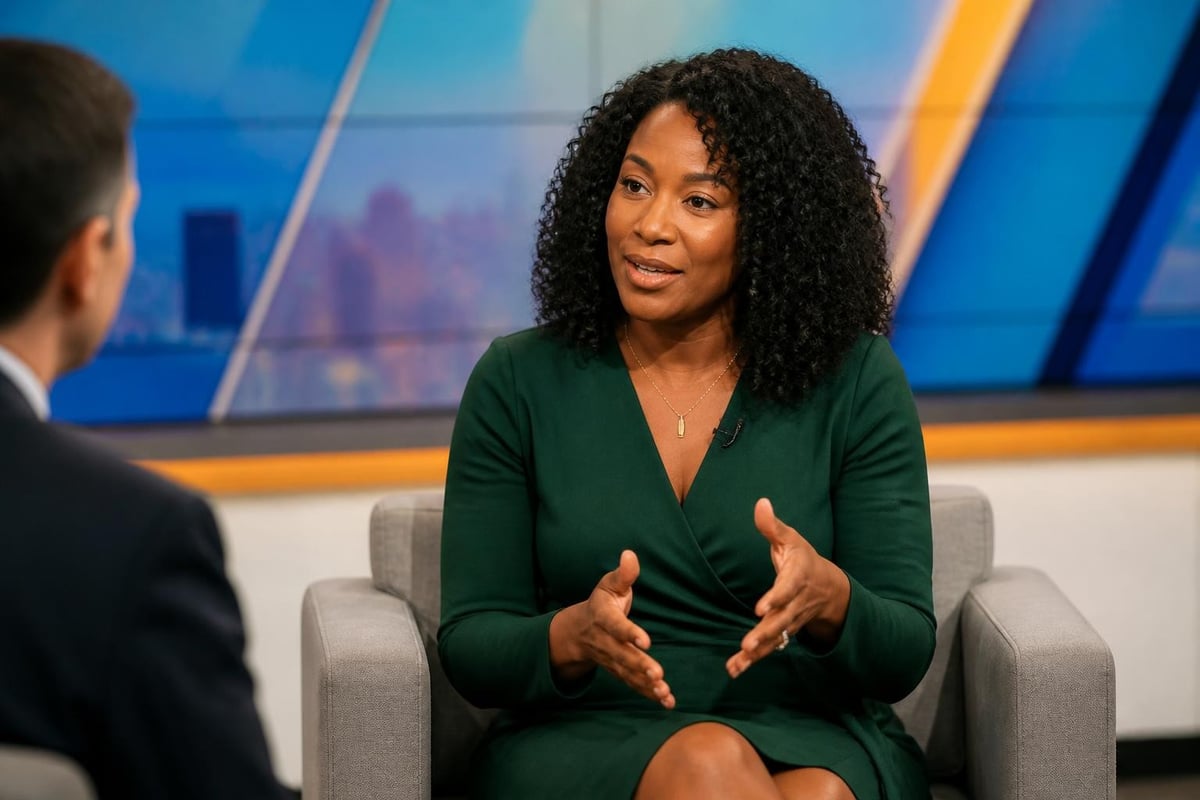
This systematic approach transforms television from occasional opportunity to reliable authority-building engine. Understanding how thought leaders utilize media exposure reveals patterns that separate consistent media personalities from one-time guests.
Maximizing ROI from Television Appearances
Television bookings represent significant investments of time and preparation. Maximizing return requires strategic thinking beyond the live segment. The real value emerges from how you leverage each appearance across your entire business development ecosystem.
Every television segment should generate multiple assets: the video recording, key quotes for social media, credibility markers for your website, content for email campaigns, and discussion topics for sales conversations. Most experts waste this potential by treating appearances as isolated events rather than content multipliers.
Converting Media Exposure into Client Acquisition
Authority signals from media exposure strengthen every stage of your sales process. Prospects who see television credentials before sales conversations arrive pre-sold on your expertise. This shifts dynamics dramatically, reducing price resistance and shortening sales cycles.
The conversion pathway looks like this:
- Awareness stage – television exposure introduces your expertise to cold audiences
- Consideration stage – media credentials differentiate you from competitors
- Decision stage – TV appearances remove final objections about credibility
- Retention stage – ongoing media presence reinforces client confidence
Premium pricing becomes defensible when clients can point to your television appearances as justification for their investment. This psychological dynamic allows thought leaders with strong media profiles to command fees multiples higher than equally qualified competitors without media exposure.
Developing Your On-Camera Presence
TV exposure for thought leaders demands more than expertise; it requires effective on-camera communication skills. The camera amplifies everything: nervous energy, authentic passion, uncertainty, and confidence. Developing comfort on camera separates impactful appearances from forgettable segments.
Most experts struggle with their first television appearances because they focus on content perfection rather than connection. Producers care more about how viewers receive your message than the comprehensiveness of your expertise. A simplified point delivered with conviction outperforms complex analysis delivered uncertainly.
Technical Elements of Strong Television Delivery
| Skill Area | Best Practices | Common Mistakes |
|---|---|---|
| Eye Contact | Look at interviewer or camera as directed | Scanning the room or looking down |
| Energy Level | Match or slightly exceed interviewer pace | Flat affect or manic enthusiasm |
| Gestures | Natural movements within frame | Distracting or absent gestures |
| Speaking Pace | Measured with strategic pauses | Rushing or trailing off |
Practice these elements separately before combining them in full performance. Record yourself extensively, watching playback with the sound off to evaluate non-verbal communication. Your visual presence communicates before and alongside your words.
Creating Systematic Media Outreach
Consistent TV exposure for thought leaders requires systematic outreach rather than reactive opportunity-taking. The experts appearing regularly on major networks maintain producer relationships, understand programming calendars, and position themselves for upcoming content needs.
Building these systems starts with research. Identifying influential thought leaders in adjacent industries reveals patterns in how they maintain media visibility. Most follow similar frameworks: topic specialization, timely commentary, and consistent availability.
The Producer Relationship Framework
Producers remember experts who make their jobs easier. This means responding quickly to requests, delivering exactly what you promised, and staying within time constraints. One excellent appearance creates opportunities for return bookings and referrals to other producers.
Building lasting producer relationships:
- Respond to inquiries within 2 hours during business hours
- Provide pre-interview materials that simplify segment preparation
- Arrive early and stay flexible with changing segment requirements
- Follow up with thank-you notes and additional resources
- Monitor the show's content to suggest future relevant segments
These practices seem basic, yet most experts fail at one or more points. The experts securing regular bookings execute these fundamentals consistently.

Integrating Television with Digital Authority Strategies
TV exposure for thought leaders delivers maximum impact when integrated with comprehensive digital authority strategies. Television opens doors that digital content alone cannot, while digital platforms extend the reach and lifespan of television appearances exponentially.
A strategic integration approach uses television appearances as credibility anchors. Your website leads with media logos and video segments. Email campaigns highlight recent television bookings. Social media content repurposes segment insights. Sales presentations open with television credentials. Each touchpoint reinforces the authority signal television provides.
Content Multiplication from Single Appearances
One five-minute television segment can generate dozens of content pieces:
- Full segment video for website and YouTube
- 60-second clips for Instagram, LinkedIn, and Twitter
- Quote graphics with network logos
- Blog posts expanding on segment topics
- Email series diving deeper into discussed concepts
- Podcast episodes elaborating on television insights
- Sales collateral featuring media credentials
This multiplication transforms single appearances into months of authority-building content. The initial investment in securing the booking generates returns far beyond the live airtime.
Measuring the Impact of Television Authority
Quantifying TV exposure for thought leaders requires tracking both direct and indirect metrics. Direct metrics include website traffic spikes, social media growth, and inquiry volume following appearances. Indirect metrics measure authority perception shifts through client acquisition costs, conversion rates, and average deal sizes.
Most thought leaders undervalue television because they measure only immediate response. A more sophisticated approach tracks how media credentials influence the entire client journey over extended periods. New clients six months after an appearance often cite television credibility as a decision factor even without direct attribution.
Key Performance Indicators for Media Authority
| Metric Category | What to Measure | Expected Impact |
|---|---|---|
| Awareness | Website traffic, social followers | 15-30% spike post-appearance |
| Engagement | Email open rates, content shares | 10-20% improvement |
| Conversion | Consultation requests, qualified leads | 25-50% increase in quality |
| Revenue | Average deal size, pricing acceptance | 20-40% premium justification |
These ranges vary based on market position, industry, and implementation quality. The compound effect of multiple appearances drives more substantial long-term improvements than individual segments suggest.
Overcoming Common Television Booking Obstacles
Most experts believe TV exposure for thought leaders remains inaccessible without existing celebrity status or massive platforms. This misconception keeps talented professionals from pursuing opportunities that could transform their businesses. The reality is that networks need expert content constantly, creating far more opportunities than most people realize.
The primary obstacles are positioning errors and inconsistent outreach rather than insufficient credentials. Experts with modest platforms secure regular bookings by understanding producer needs, crafting compelling pitches, and maintaining persistent but professional outreach.
Addressing Credential Concerns
Common objections and solutions:
- "I don't have a big platform" – Producers book expertise, not follower counts; niche authority often matters more
- "I've never been on TV before" – Everyone starts somewhere; smaller networks welcome first-time guests
- "My topic isn't newsworthy" – Evergreen expertise fits lifestyle segments and educational programming
- "I don't know any producers" – Systematic outreach builds relationships; most producers are accessible
Each obstacle represents a positioning challenge rather than a genuine barrier. Experts who reframe these concerns as solvable problems consistently outperform those who accept them as limitations.
Advanced Strategies for Market-Leading Authority
TV exposure for thought leaders reaches its full potential when combined with complementary authority-building initiatives. The most recognized experts in any field maintain television presence alongside book publishing, podcast hosting, speaking engagements, and strategic partnerships.
This integrated approach creates what researchers studying the impact of thought leaders on team performance call "multidimensional credibility." Each authority signal reinforces the others, creating expertise perception greater than the sum of individual elements.
The Authority Multiplication Effect
Publishing a book increases television booking rates because producers see you as a more serious expert. Television appearances drive book sales and speaking opportunities. Speaking engagements generate content for media pitches. Each element feeds the ecosystem, creating accelerating returns over time.
Strategic sequencing for maximum authority impact:
- Establish foundational expertise through client results and content
- Publish authoritative content demonstrating thought leadership
- Secure initial television appearances on accessible networks
- Leverage media credentials to expand platform opportunities
- Build systematic processes for consistent visibility
- Scale into premium opportunities and larger networks
This sequence allows each achievement to enable the next, creating sustainable momentum rather than isolated victories.
Navigating the Evolving Television Landscape
The television industry continues evolving, with streaming platforms, digital networks, and traditional broadcasters creating diverse opportunities for TV exposure for thought leaders. Understanding this landscape helps you target the right opportunities for your specific authority goals.
Traditional broadcast networks still deliver the strongest immediate credibility signals. Their selectivity and viewer trust create powerful authority positioning. However, streaming platforms and digital networks often offer easier entry points and niche audience access that can be equally valuable depending on your market.
Choosing the Right Media Opportunities
Different platforms serve different strategic purposes:
| Platform Type | Authority Signal | Audience Reach | Accessibility |
|---|---|---|---|
| Major Networks | Highest credibility | Broad demographics | Most competitive |
| Cable News | Strong authority | Targeted viewers | Moderate difficulty |
| Digital Networks | Growing credibility | Niche audiences | More accessible |
| Streaming Shows | Emerging authority | Specific demographics | Variable difficulty |
Your optimal strategy likely includes a mix of these platforms, starting with more accessible opportunities and progressing toward premium placements as your media experience and credentials grow.
Television authority transforms how prospects, clients, and industry peers perceive your expertise, creating opportunities that remain inaccessible through digital strategies alone. The systematic approach to securing consistent media placements, developing on-camera skills, and leveraging each appearance across your business ecosystem separates recognized authorities from equally qualified competitors who remain invisible. As the creator of the BookedForTV™ Guaranteed Placement System and host of Amazing Authorities on NBC Las Vegas, Mitch Carson specializes in helping CEOs, founders, authors, and experts secure guaranteed TV interviews and build market-leading authority through producer-ready positioning, on-camera performance, and strategic media visibility.