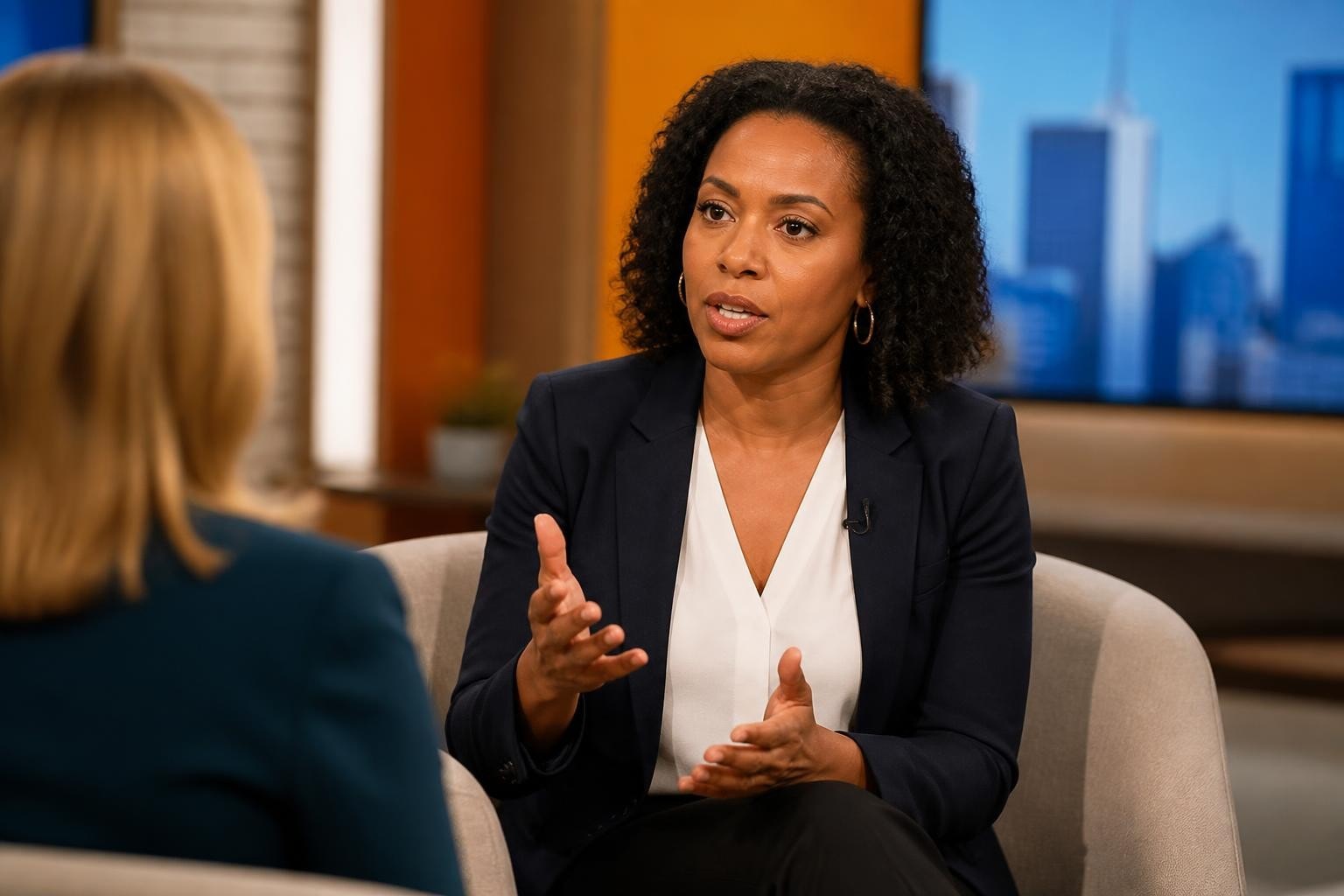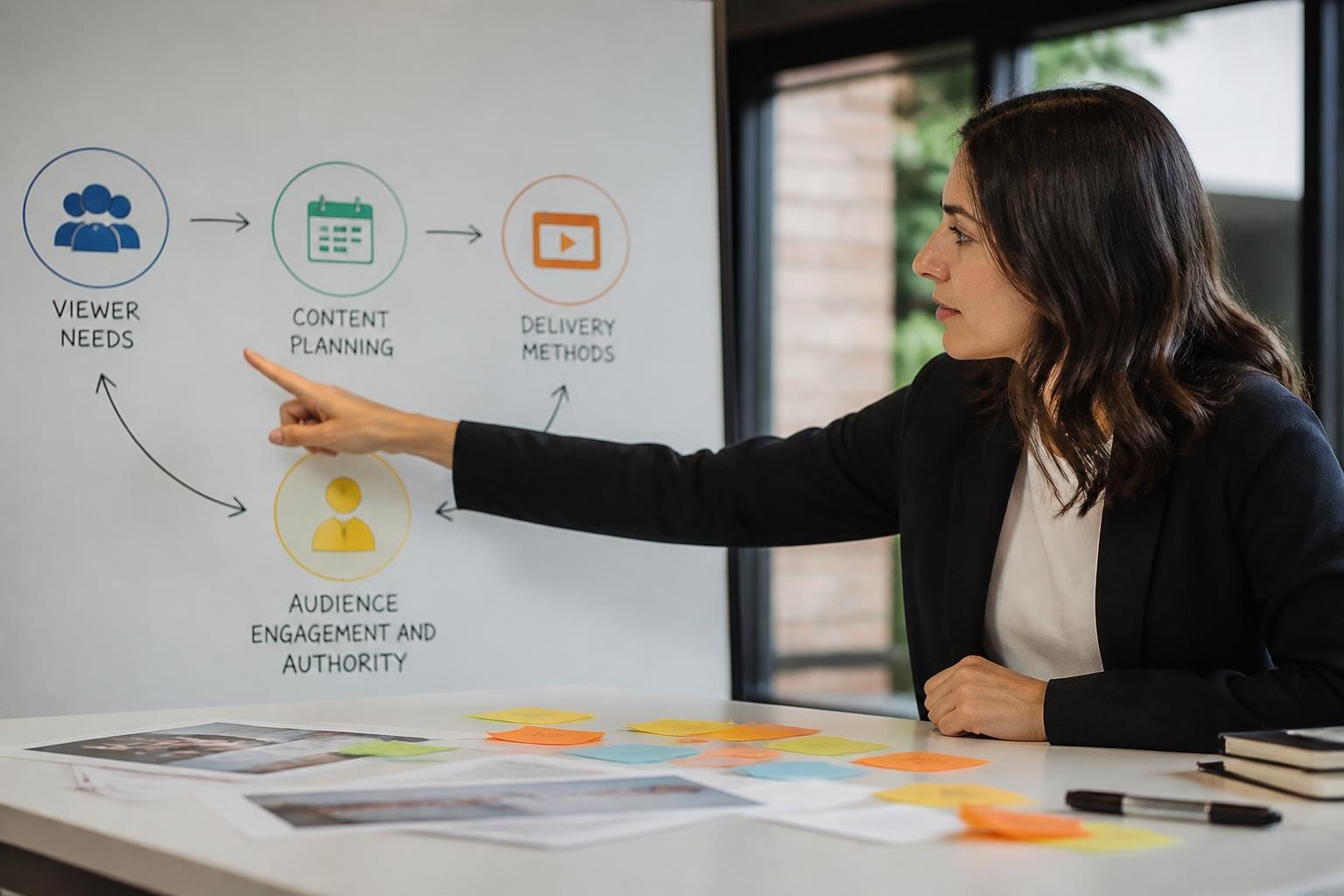
Breaking into television as an expert guest requires more than credentials and expertise. You need a systematic approach that speaks directly to what producers need, when they need it, and in the format they demand. Understanding how to get booked on tv fast means mastering the intersection of positioning, presentation, and producer psychology. The difference between experts who wait months for a single booking and those who secure placements within weeks comes down to strategic preparation and insider knowledge of how booking decisions actually get made.
The Producer's Decision-Making Framework
Television producers operate under intense deadline pressure and audience expectations. They're not looking for the most qualified expert in every field. They're searching for the expert who can deliver compelling content that resonates with viewers while requiring minimal production effort.
What Producers Evaluate in Seconds
When a producer reviews your pitch, they're making snap judgments based on specific criteria. Your professional presentation matters immediately. Your ability to connect your expertise to current trending topics determines whether they keep reading. Your on-camera presence, even in a headshot, signals whether you'll perform under studio lights.
The booking process isn't democratic or merit-based. Producers work with limited time slots and unlimited potential guests. Understanding this competitive landscape transforms how you approach media placement.

Key elements producers assess instantly:
- Professional headshot quality and on-camera readiness
- Relevance to current news cycles or trending topics
- Clear, concise expertise positioning in 10 words or less
- Previous media experience or platform validation
- Ability to provide fresh perspectives on familiar topics
Positioning Yourself as Producer-Ready
Learning how to get booked on tv fast requires reverse-engineering what makes producers say yes. You're not selling your credentials. You're solving their programming problems.
The Authority Foundation
Published authors receive preferential consideration for television bookings. A book serves as third-party validation of your expertise and provides producers with confidence that you've organized your thoughts coherently. The relationship between book publishing and TV publicity creates a credibility loop that accelerates booking opportunities.
Beyond the book itself, producers need to see platform validation. Your social media following, speaking engagements, industry recognition, and existing media appearances all contribute to their confidence in booking you. They're reducing risk with every yes decision.
| Authority Element | Producer Value | Timeline Impact |
|---|---|---|
| Published Book | High credibility signal | Immediate consideration |
| Previous TV Clips | Proof of camera skills | Fast-track to booking |
| Social Media Platform | Audience reach potential | Moderate influence |
| Industry Awards | Expert validation | Supporting evidence |
| Trending Topic Alignment | Solves immediate need | Critical for speed |
Crafting Your Television Hook
Your hook isn't your biography. It's the angle that makes producers lean forward and say, "Our audience needs to hear this." The best television hooks connect your unique expertise to something viewers already care about.
Examine current headlines, seasonal trends, and cultural conversations. Where does your knowledge intersect with what's already capturing attention? That intersection is your booking opportunity.
Successful experts maintain a running list of 10-15 different hooks tied to their core expertise. When news breaks or trends emerge, they can pivot quickly with relevant pitches that feel timely rather than opportunistic.
The Technical Requirements Nobody Mentions
How to get booked on tv fast also means understanding the technical and logistical expectations producers have before they extend invitations. Many qualified experts lose opportunities because they're not production-ready.
Visual Presentation Standards
Television is a visual medium first. Your appearance needs to communicate authority and professionalism instantly. This doesn't mean expensive wardrobes or studio makeup for your pitch materials, but it does mean understanding camera-friendly choices.
- Solid colors photograph better than busy patterns
- Professional styling communicates respect for the medium
- Quality headshots signal you understand visual communication
- On-camera energy translates through still photography
Remote Interview Capabilities
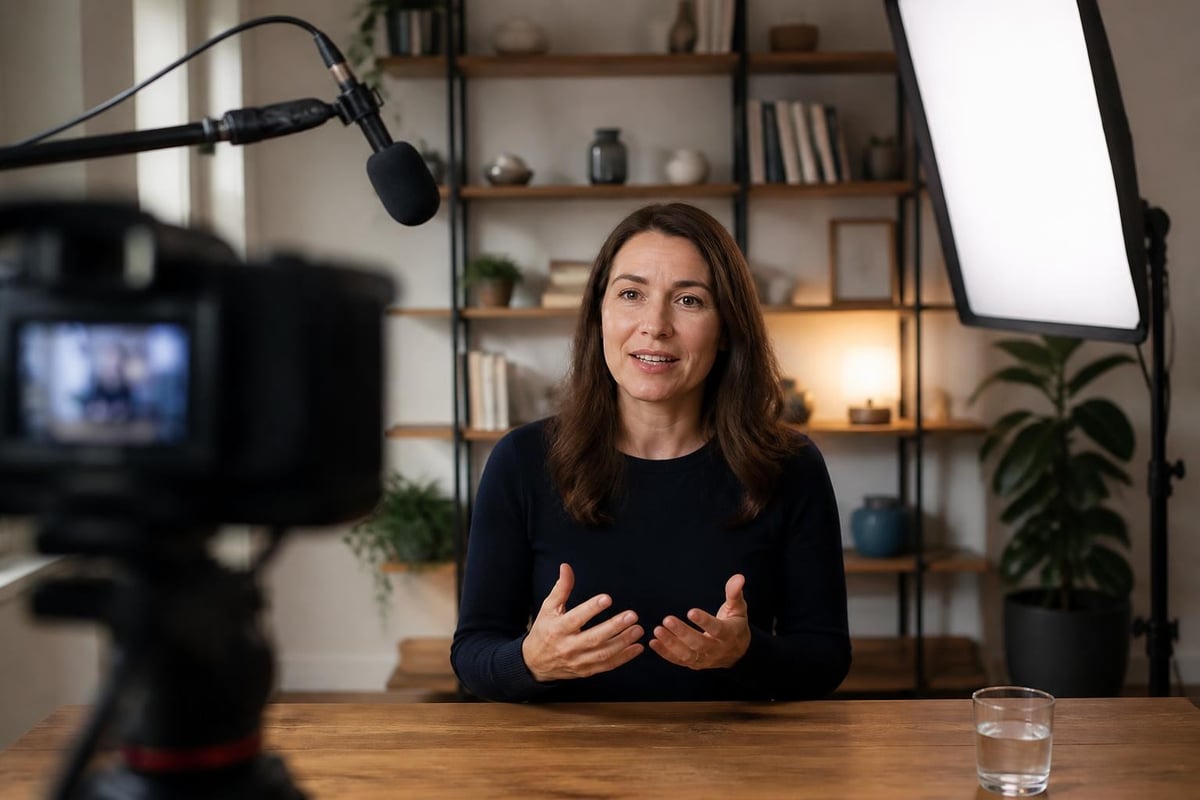
In 2026, most expert bookings begin with remote interviews. Producers expect you to have broadcast-quality equipment or access to local studios. Poor audio quality or inconsistent lighting eliminates otherwise qualified guests from consideration.
Essential technical requirements:
- High-definition webcam or professional camera setup
- Broadcast-quality microphone (lavalier or shotgun mic)
- Controlled lighting environment (ring light minimum)
- Reliable high-speed internet connection
- Quiet recording space without echo or background noise
- Backup power and internet solutions
Building Producer Relationships That Generate Repeat Bookings
One-time television appearances have limited value. The real authority building comes from becoming a go-to expert that producers book repeatedly. Maintaining ongoing TV bookings requires relationship strategies beyond the initial pitch.
The Follow-Up System
After your first appearance, the work of securing future bookings begins immediately. Send a thank-you note to the producer within 24 hours. Provide any additional resources you mentioned during the segment. Share social media posts that tag the show and drive viewership.
Monitor the show's upcoming topics and proactively pitch yourself when your expertise aligns. Producers remember guests who make their jobs easier by anticipating needs rather than just responding to opportunities.
Expanding Your Media Footprint
Each television appearance should serve as leverage for additional bookings. Secure professional footage of every interview. Create a media reel that showcases your best moments across multiple appearances. Update your website and promotional materials with television logos and segment highlights.
This cumulative credibility accelerates future booking decisions. Producers trust experts who've already proven themselves on camera, especially on recognizable platforms.
The Pitch That Gets Producers to Respond
Understanding how to get booked on tv fast comes down to mastering the initial pitch. Producers receive hundreds of pitches weekly. Yours needs to break through within the first two sentences or it won't get read.
Email Structure That Works
Subject lines must be specific and timely. "Expert Available for Interview" gets deleted. "Child Psychologist Available to Discuss New Social Media Mental Health Study" gets opened.
Your opening sentence states your relevant expertise and the specific topic you're pitching. Second sentence explains why this matters to their audience right now. Third sentence demonstrates you understand their show format and viewership.
Include one professional headshot, one brief bio paragraph (three sentences maximum), and three to five suggested questions or talking points. Producer secrets for pitches that get a yes emphasize making the producer's job easier by providing ready-to-use content frameworks.
Pitch email components in order:
- Compelling subject line with specific topic hook
- Opening expertise statement with timely relevance
- Audience benefit explanation
- Show-specific knowledge demonstration
- Three to five suggested talking points or questions
- Brief bio paragraph (credentials only)
- Professional headshot
- Links to previous media appearances
- Contact information and availability
Timing Your Outreach
Producers work on different timelines depending on show type. Morning shows often book guests 24-48 hours in advance for breaking news topics, while feature segments may be scheduled weeks out. Understand the booking window for your target shows.
Pitch trending topics immediately. Pitch evergreen expertise during slower news cycles. Monitor show calendars for awareness months, seasonal programming, and anniversary coverage opportunities that align with your knowledge base.
The Look: Visual Authority That Opens Doors
Your visual presentation communicates expertise before you speak a word. Television is an unforgiving medium for poor grooming, distracting wardrobe choices, or unprofessional styling. The Book, Hook, Look model for TV bookings emphasizes that all three elements must align for rapid placement success.
Professional Headshots That Convert
Your headshot serves as your first impression with producers. It needs to communicate approachability, expertise, and on-camera readiness simultaneously. Invest in professional photography from someone who specializes in media headshots, not wedding or portrait photography.
The background should be simple and non-distracting. Your expression should be warm but authoritative. Clothing should reflect your industry norms while remaining camera-friendly. Update headshots every 18-24 months to maintain currency.
On-Camera Wardrobe Strategies
Solid, jewel-tone colors perform best on camera. Avoid pure white, pure black, and busy patterns that create visual vibration. Small checks, thin stripes, and detailed patterns distract viewers from your message.
Dress one level more formal than your audience. If you're speaking to corporate executives, wear business professional attire. If your audience is general consumers, business casual communicates authority without creating distance.
| Wardrobe Choice | TV Impact | Recommendation |
|---|---|---|
| Solid jewel tones | Excellent | Primary choice |
| Pastels | Good for some skin tones | Test on camera first |
| White/Black | Poor (lighting issues) | Avoid as primary colors |
| Busy patterns | Distracting | Never use |
| Minimal jewelry | Professional | Keep simple |
Leveraging Current Events for Immediate Bookings
The fastest path to television placement connects your expertise to breaking news or trending cultural conversations. Producers desperately need qualified experts who can speak intelligently about developing stories. When you can position yourself as that expert, booking timelines compress from weeks to hours.
News Monitoring Systems
Set up Google Alerts for keywords related to your expertise. Follow industry publications, trending topic aggregators, and major news outlets. When a story breaks that intersects with your knowledge, you have a 4-8 hour window to pitch yourself before producers find other experts.

Connecting your expertise to hot topics separates reactive experts from proactive authorities who anticipate where conversations are heading.
Seasonal and Recurring Opportunities
Certain topics repeat annually with predictable booking needs. Financial experts get booked around tax season. Relationship counselors see increased demand around Valentine's Day and major holidays. Health and fitness authorities dominate January programming.
Build a 12-month calendar of predictable booking opportunities in your field. Pitch producers 3-4 weeks before these seasonal moments arrive. Position yourself as the expert they can count on year after year for recurring segments.
Building Your Media Kit for Instant Credibility
When producers express interest, they need information immediately. A comprehensive media kit eliminates friction in the booking process and demonstrates your professionalism. Learning how to get booked on tv fast includes having all materials ready before you start pitching.
Essential Media Kit Components
Your one-sheet biography should fit on a single page with your headshot, core credentials, expertise areas, and contact information. Include logos of previous media appearances if applicable. List three to five topics you can discuss with confidence.
Video samples are non-negotiable for serious television bookings. Even if you haven't appeared on major shows, create sample segments demonstrating your on-camera presence. Film yourself answering common questions in your field. Quality matters more than production budget.
Complete media kit includes:
- Professional headshot (high-resolution)
- One-sheet biography with credentials
- Extended bio (2-3 paragraphs)
- Topic expertise list
- Sample interview questions (10-15 questions)
- Video reel or sample segments
- Book cover and description (if applicable)
- Press mentions or previous media appearances
- Contact information with response time commitment
Digital Accessibility
Host your media kit on your website in an easily accessible location. Producers should find everything they need within two clicks from your homepage. Provide downloadable PDFs and streaming video rather than requiring email requests for materials.
Update your media kit quarterly. Add new television appearances, speaking engagements, or published work. Remove outdated information that no longer reflects your current positioning or expertise level.
The Psychology of Booking Decisions
Producers are human beings making subjective decisions under pressure. Understanding the psychological factors that influence their choices gives you strategic advantages in how to get booked on tv fast.
Risk Reduction vs. Opportunity Seeking
Every booking represents risk for producers. Will this expert perform well on camera? Will they provide valuable content? Will they show up prepared and on time? Your pitch and presentation must minimize perceived risk while maximizing opportunity.
Testimonials from other producers, links to previous appearances, and clear demonstration of media training all reduce booking risk. Your pitch should make the yes decision feel safe and obvious.
Authenticity and Relatability
Being authentic on TV talk shows matters more than perfect polish. Producers want experts who can translate complex information into accessible conversation. They need guests who connect with regular viewers, not just impress other experts.
Practice explaining your expertise to people outside your field. If your teenage nephew can understand and stay engaged, you're communicating at the right level for television audiences.
Mistakes That Kill Booking Opportunities
Even qualified experts sabotage their television opportunities through preventable mistakes. Recognizing these pitfalls helps you avoid the delays that keep others waiting months for placements.
Common Expert Pitching Errors
Generic mass pitches that show no understanding of specific shows get deleted immediately. Producers recognize template emails. Your pitch must demonstrate you've watched their program and understand their audience needs.
Overselling credentials while underselling relevance wastes producer time. They don't care about every degree, certification, and award you've received. They care whether you can deliver compelling television on topics their viewers want to understand.
Booking-killing mistakes:
- Sending identical pitches to multiple shows at the same network
- Following up too aggressively (more than twice in two weeks)
- Providing vague expertise descriptions
- Lacking immediate availability when opportunities arise
- Demanding specific segment lengths or topics
- Bringing promotional agendas that conflict with content value
- Poor email communication or delayed responses
Recovery from Rejection
Rejection is inevitable in television bookings. Producers say no for dozens of reasons unrelated to your qualifications. The show may have already booked someone on your topic. Your timing might be wrong. Budget constraints might eliminate guest segments entirely.
Maintain professional relationships despite rejection. Thank producers for their consideration. Ask if they'd like you to pitch different topics in the future. Many successful media relationships begin with multiple nos before the first yes.
Accelerating Your Placement Timeline
Standard approaches to securing television appearances can take six months to a year. Strategic experts compress this timeline to weeks by implementing systematic approaches and leveraging professional networks.
Working with Placement Specialists
Authority strategists and media placement professionals maintain existing producer relationships and understand current booking needs across multiple shows. These specialists can accelerate your timeline significantly by making warm introductions rather than cold pitches.
Professional placement services also prepare you for bookings through media training, message refinement, and technical setup support. The investment in professional guidance often pays for itself through the quality and speed of placements secured.
Building Your Own Producer Network
Attend media industry events, join professional associations, and participate in online communities where producers and bookers gather. Relationships built outside the pitch context create easier conversations when opportunities arise.
Comment thoughtfully on producers' social media posts. Share their content. Become a familiar name before you need something from them. This relationship foundation transforms cold outreach into warm connections.
Scaling from Single Appearances to Authority Platform
One television booking provides temporary visibility. A systematic approach to media placement builds lasting authority that attracts premium clients and opportunities. Understanding how to get booked on tv fast includes planning for sustainability beyond individual appearances.
The Authority Multiplication Effect
Each television appearance should generate content for multiple platforms. Transcribe interviews for blog posts. Create social media clips highlighting key moments. Reference your TV segments in speaking engagements and marketing materials.
This multiplication extends the value of every booking while providing social proof that accelerates future placements. Your media presence becomes self-reinforcing as each appearance makes the next one easier to secure.
Creating Booking Momentum
Schedule bookings in clusters when possible. Three television appearances in a single month generate more authority impact than three appearances spread across a year. The concentrated visibility creates market recognition that positions you as the go-to expert in your field.
Use confirmed bookings to pitch additional opportunities. "I'm already scheduled to appear on [Show Name] next week discussing [Topic]" gives producers confidence and creates urgency around limited availability.
Securing rapid television placements requires understanding producer psychology, maintaining broadcast-ready positioning, and connecting your expertise to timely topics that serve audience needs. The strategies outlined here compress booking timelines from months to weeks when implemented systematically. If you're ready to become a recognized authority through guaranteed TV placements, Mitch Carson specializes in helping CEOs, authors, and experts secure strategic media visibility through the BookedForTV™ Guaranteed Placement System. His producer-ready positioning framework and insider knowledge of booking decisions can accelerate your path from expert to recognized authority.