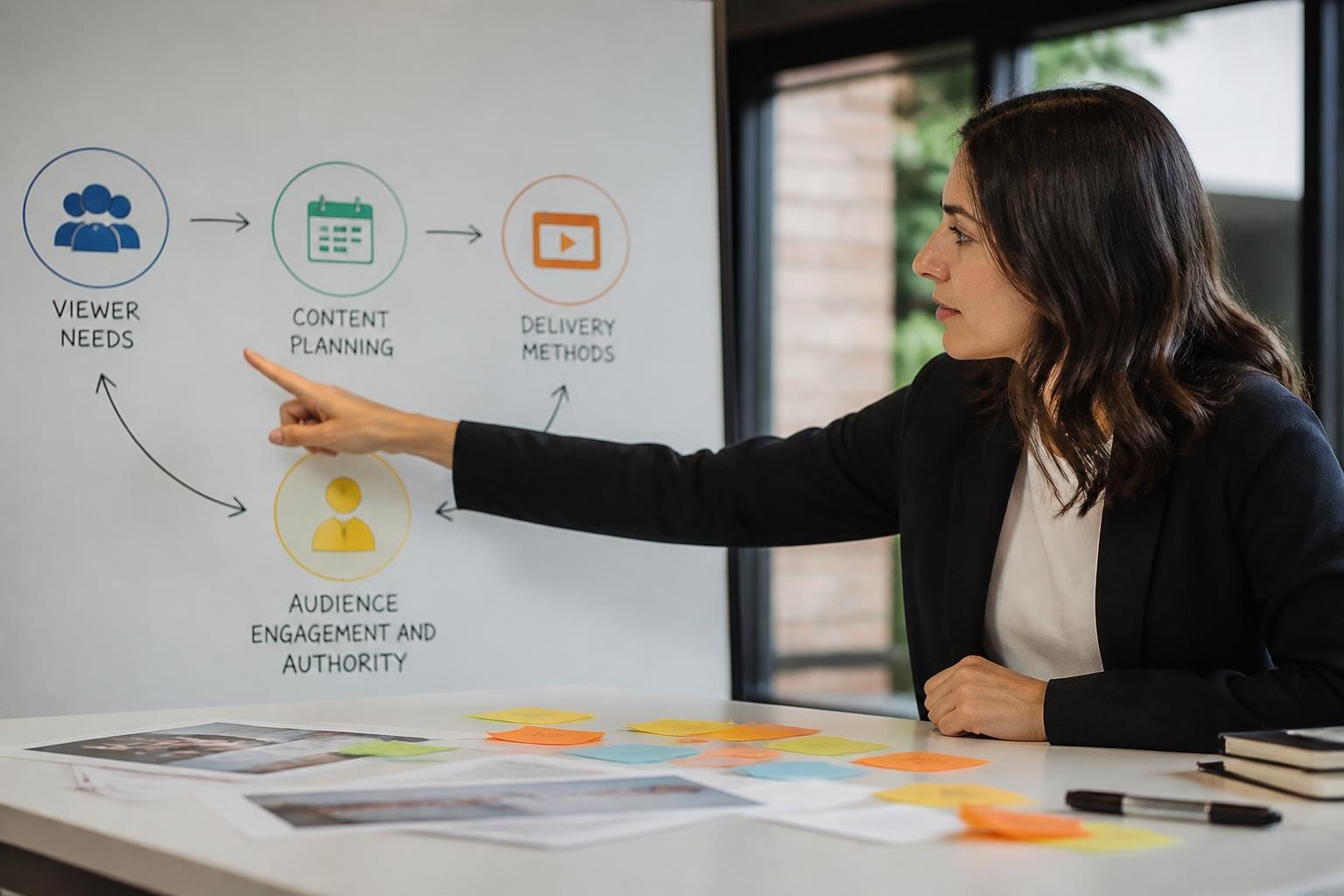
Landing a segment on national television represents one of the fastest paths to establishing credibility, attracting premium clients, and positioning yourself as the go-to authority in your field. Yet most business leaders, authors, and subject matter experts struggle to understand what television producers actually want and how to break through the noise of thousands of pitches flooding newsrooms daily. The process of how to get booked on national tv requires strategic positioning, producer psychology understanding, and a systematic approach that turns your expertise into compelling television content.
Understanding What National TV Producers Actually Want
Television producers face relentless pressure to deliver engaging content that keeps viewers watching through commercial breaks. They're not looking for experts who simply know their subject matter. They need guests who can deliver transformation, controversy, or actionable insights in 3-5 minute segments.
Producers prioritize three critical elements:
- Immediate relevance to current news cycles or trending cultural conversations
- Visual storytelling potential that translates complex ideas into demonstrations
- Energy and charisma that holds audience attention without teleprompters
The fundamental misunderstanding most experts make involves treating television as an educational medium. National TV operates as entertainment first, education second. Your doctoral dissertation won't land you a booking, but your ability to connect that research to why viewers can't lose weight, save money, or improve their relationships will.
The Producer's Timeline Reality
National television shows operate on compressed production schedules that most outsiders underestimate. Morning shows book guests 24-72 hours before air for trending topics, while feature segments may be planned 1-2 weeks in advance. This compressed timeline means producers need guests who respond immediately, arrive prepared, and require minimal hand-holding.
Understanding these constraints changes how you position yourself. Producers bookmark experts who've proven reliable, media-trained, and able to deliver value without extensive preparation calls. Your first booking serves as an audition for the second, third, and fourth.
Building Your Foundation Before Pitching
The book-hook-look model remains the most effective framework for understanding how to get booked on national tv. This three-pillar approach, detailed by Best Seller Publishing, creates the credibility foundation producers require before considering unknown experts.
The Book Component
Published authorship signals commitment to your field and provides instant credibility markers that producers use to justify booking decisions to executive producers. A book doesn't need to be a New York Times bestseller. It needs to establish that you've organized your expertise into a coherent methodology others can follow.
Your book serves multiple strategic functions beyond credibility. It provides segment angles, discussion frameworks, and giveaway opportunities that producers love. Shows frequently feature authors because the book creates natural visual elements (holding it up, B-roll footage) and promotional hooks that benefit both parties.
Key book positioning elements include:
- A title that clearly communicates the transformation or outcome
- Chapter structures that translate into individual segment topics
- Case studies and client results that provide storytelling material
- A professional cover design that photographs well on camera
The Hook That Captures Producer Attention
Your hook represents the newsworthy angle that connects your expertise to what audiences care about right now. Generic pitches about "leadership tips" or "productivity strategies" get deleted immediately. Hooks tied to breaking news, seasonal trends, or cultural moments get responses within hours.
Successful hooks answer the producer's fundamental question: "Why this expert, on this topic, on this show, this week?" The specificity matters tremendously. Rather than pitching "financial advice," you pitch "three credit card mistakes costing families $2,400 annually in the current inflation environment."
Monitor trending topics through Google Trends, social media conversations, and competitor show segments. Forbes outlines essential steps for positioning yourself as the expert producers call when these trends emerge. Your ability to quickly tie your expertise to emerging stories determines booking frequency.
The Look That Builds On-Camera Confidence
Television remains a visual medium where appearance influences perceived authority. Professional appearance doesn't mean expensive designer clothes. It means understanding camera-friendly colors, avoiding distracting patterns, and presenting yourself as the polished expert viewers expect.
Investment in media training pays dividends beyond learning where to look and how to sit. Professional coaching teaches you to deliver complex ideas in soundbites, handle difficult questions with grace, and project energy that translates through the screen. Producers can identify media-trained guests within 30 seconds of a pre-interview call.
| Element | Why It Matters | Producer Perspective |
|---|---|---|
| Published Book | Instant credibility validation | Justifies booking to executives |
| Newsworthy Hook | Ties expertise to current relevance | Answers "why now" question |
| Professional Appearance | Visual authority signals | Reduces production risk |
| Media Training | Segment delivery confidence | Minimizes producer hand-holding |
Crafting Pitches That Producers Can't Ignore
The difference between pitches that get deleted and those that generate responses comes down to understanding producer psychology. Your pitch needs to accomplish one goal: make the producer look smart for booking you. Everything else is secondary.
The Anatomy of Effective TV Pitch Letters
Susan Harrow’s five-step formula emphasizes creating the entire segment within your pitch. Don't make producers work to envision how your expertise becomes television. Hand them the complete package: segment title, talking points, visual demonstrations, and audience takeaways.
Your pitch letter must include:
- A compelling subject line tied to current news or trending topics
- The specific segment angle with a working title
- Three to five concrete talking points in bullet format
- Visual demonstration ideas or B-roll suggestions
- Your credentials in two sentences maximum
- Previous TV appearances with network logos if available
Length matters critically. Producers receive hundreds of pitches weekly. Your email needs to communicate complete value in 150-200 words maximum. Anything longer gets skimmed or deleted. Front-load the most compelling information in the first two sentences.
Targeting the Right Shows for Your Expertise
Not all national television opportunities align with your authority-building goals. Morning shows reach broad audiences but offer shorter segments. Cable news networks provide longer interview formats but smaller, more targeted viewerships. Daytime talk shows offer the best combination of reach and segment length but maintain the highest booking competition.
Research shows thoroughly before pitching. Watch episodes to understand segment formats, guest types, and topics that resonate with their audience. Nardi Media’s insights from former national TV producers reveal that customized pitches dramatically outperform generic mass emails.
Utilize resources like BookerList.com to identify specific producers and bookers for target shows. Pitching the correct contact person with a customized angle increases response rates by over 400% compared to generic info@ email addresses.

Leveraging News Hooks and Seasonal Opportunities
The calendar provides predictable opportunities when producers actively seek expert commentary. Tax season, back-to-school, New Year's resolutions, and holiday shopping create recurring needs for expert analysis and actionable advice.
Creating Your Hook Calendar
Map your expertise against the annual news cycle to identify when your knowledge becomes most relevant. Financial experts pitch heavily in January (New Year's financial goals), April (tax season), and November (holiday spending). Relationship experts focus on February (Valentine's Day), June (wedding season), and December (family holiday stress).
Build your pitch calendar three months in advance. Producers typically plan seasonal segments 4-8 weeks before air dates. Your timely pitch arriving when they're actively seeking that expertise positions you as the solution to their immediate need.
Quarterly planning framework:
- Q1: New Year transformations, tax preparation, spring cleaning metaphors
- Q2: Summer preparation, relationship topics, outdoor activity trends
- Q3: Back-to-school transitions, fall preparation, year-end planning begins
- Q4: Holiday stress management, gift guides, year-in-review perspectives
Breaking News Opportunities
While seasonal topics provide predictable booking windows, breaking news creates immediate opportunities for experts who move quickly. When major events occur in your field, producers need authoritative commentary within hours.
Develop a rapid response system that allows you to craft and send pitches within 2-3 hours of breaking news. This requires pre-written bio paragraphs, headshots ready to send, and flexibility to be available for same-day or next-morning bookings. Gaebler Ventures emphasizes the importance of formatting stories properly and being immediately responsive when opportunities arise.
Building Relationships That Lead to Repeat Bookings
Understanding how to get booked on national tv extends beyond landing your first segment. The real authority-building value comes from becoming a recurring expert that producers call repeatedly. PR Daily identifies strategies for maintaining regular appearances through relationship building and competitive booking practices.
The Post-Appearance Follow-Up System
Within 24 hours of your segment airing, send a thank-you email to the producer with 2-3 new segment ideas relevant to upcoming calendar events or trending topics. This positions you as a thoughtful partner invested in their success, not just your own exposure.
Include any positive feedback you received from viewers or the spike in social media engagement. Producers want to know their segments generated audience response. Quantifiable metrics (website traffic increases, social media mentions, viewer emails) validate their booking decision and increase likelihood of return invitations.
Effective follow-up includes:
- Specific thanks for the opportunity and professionalism of the team
- Social media posts tagging the show and sharing the segment
- New pitch ideas with fresh hooks tied to upcoming events
- Offer to be available for last-minute bookings when guests cancel
Expanding Your Network Systematically
Each national TV appearance should generate referrals to other shows. Ask producers if they know bookers at related programs who might benefit from your expertise. Television production represents a small, interconnected community where reputations spread quickly.
Maintain a database tracking every producer contact, show appearance, segment topic, and follow-up status. This organizational system prevents redundant pitches and allows you to reference previous conversations, building continuity that strengthens relationships over time.
Professional services like those offered through Mitch Carson’s TV booking expertise accelerate this relationship-building process by leveraging existing producer networks and insider positioning strategies that take years to develop independently.
Positioning Yourself as the Go-To Expert
The difference between experts who struggle for every booking and those who receive regular invitations comes down to positioning. Producers need to instantly recall your name when specific topics emerge. This mental real estate requires strategic positioning that goes beyond individual pitches.
Creating Your Unique Expert Positioning
Generic expertise gets ignored. Specific, defensible positioning gets remembered. Rather than "business consultant," position as "the authority on scaling service businesses from $1M to $10M without venture capital." The specificity creates memorability and reduces competition.
Your positioning statement should communicate three elements: who you serve, what transformation you deliver, and what makes your approach unique. This clarity allows producers to immediately understand when you're the right expert for their segment needs.
Test your positioning by asking, "Would a producer know exactly when to call me?" If the answer involves any hesitation, your positioning needs refinement. The clearest positioning generates the most consistent booking opportunities.
Building a Media-Ready Online Presence
Producers research potential guests before booking. Your online presence either reinforces your expertise or raises credibility questions. A professional website, active social media demonstrating thought leadership, and easily discoverable media appearances create the validation producers need.
Dedicate a media page on your website featuring:
- High-resolution headshots in multiple formats
- Video sizzle reel showcasing previous TV appearances
- One-sheet biography with credentials and speaking topics
- Press mentions and publication features
- Direct contact information for booking inquiries
Examples of successful media positioning can be reviewed through Mitch Carson’s client proof, demonstrating the authority-building impact of strategic television placements.
Overcoming Common Obstacles and Rejections
Even with perfect positioning, strong hooks, and professional pitches, rejection remains part of the booking process. Understanding why pitches get declined and how to adjust strategy separates experts who eventually succeed from those who quit prematurely.
Why Good Pitches Get Declined
Timing accounts for the majority of pitch rejections. Your perfectly crafted segment idea arrived the week after they covered a similar topic. They loved your angle but already booked three segments for the week. The show pivoted to breaking news coverage, displacing all planned segments.
These timing issues have nothing to do with your expertise quality. Persistence and consistent pitching over months, not weeks, eventually aligns your availability with their needs. The experts who secure regular bookings pitched those same producers 5-10 times before getting that first yes.
Common decline reasons include:
- Timing misalignment with editorial calendar
- Recent coverage of similar topics
- Budget constraints limiting guest bookings
- Format changes prioritizing internal contributors
- Segment angle not matching current audience interests
Adjusting Your Strategy Based on Feedback
When producers provide decline reasons, treat that feedback as intelligence for refining your approach. If they indicate the topic was covered recently, ask when they might revisit it. If the angle wasn't right, request guidance on what would better serve their audience.
This consultative approach positions you as a partner, not just someone seeking exposure. Producers remember experts who demonstrate genuine interest in serving the show's needs rather than purely self-promotional motivations.
| Obstacle | Strategic Response | Long-Term Benefit |
|---|---|---|
| No response to pitches | Follow up after 5-7 days, offer new angles | Demonstrates persistence without annoyance |
| Timing not right | Ask about future planning calendar | Positions for upcoming opportunities |
| Topic recently covered | Request notification when they revisit | Creates future booking pathway |
| Different angle needed | Ask what would better serve audience | Builds collaborative relationship |
Advanced Strategies for Guaranteed Placements
While organic pitching eventually generates bookings, experts serious about leveraging television for authority positioning increasingly utilize guaranteed placement systems that remove uncertainty from the process. Understanding how to get booked on national tv through professional services accelerates timelines from months to weeks.
The Value of Professional Booking Services
Professional booking services like GetBookedOnTV.com provide guaranteed placements on major news channels through established producer relationships and understanding of what networks need. These services handle the pitching process, coordinate logistics, and ensure you arrive properly prepared.
The investment in professional booking services pays returns through time savings, reduced rejection frustration, and access to shows that rarely accept cold pitches. Established booking experts possess producer relationships built over years that individual experts can't replicate quickly.
Combining Organic and Guaranteed Approaches
The most effective strategy combines organic relationship building with strategic use of guaranteed placements. Use professional services to establish your initial television presence and credibility, then leverage those appearances to pitch additional shows independently.
Each guaranteed placement provides footage for your media reel, screenshots for your website, and credential bullets for future pitches. This creates momentum that makes subsequent organic bookings significantly easier to secure.
Experts who achieve regular national television presence typically start with 2-3 guaranteed placements to establish credibility, then transition to 70% organic bookings as their reputation and producer relationships mature.
Preparing for Your First National TV Appearance
Securing the booking represents only half the battle. Your on-camera performance determines whether you receive return invitations or become a one-time guest. Preparation separates memorable experts from forgettable talking heads.
Pre-Interview Preparation Essentials
Producers typically conduct pre-interviews to confirm your talking points and assess your energy level. Treat this call with the same professionalism as the actual appearance. Your pre-interview performance influences how the producer introduces you, the questions asked, and the segment length allocated.
Prepare 5-7 talking points that directly address viewer pain points with actionable solutions. Avoid industry jargon, complex explanations, or anything requiring extensive setup. Television demands instant clarity that delivers value in seconds, not minutes.
Pre-interview success factors:
- Answer questions with energy and enthusiasm
- Provide specific examples and concrete numbers
- Stay focused on audience benefit, not self-promotion
- Offer visual demonstration ideas when relevant
- Confirm logistics (arrival time, location, materials needed)
Day-of-Appearance Best Practices
Arrive 30-60 minutes early to handle unexpected traffic, parking challenges, or security procedures. This buffer time prevents stress and allows you to acclimate to the studio environment before cameras activate.
Bring backup clothing options in case your first choice creates visual issues on camera. Solid colors (especially blues and greens) typically work best. Avoid pure white, black, or busy patterns that create visual distraction. Professional appearance matters tremendously for viewer perception and producer confidence.
Review your key talking points immediately before air, but avoid memorizing scripts. Authenticity and conversational delivery resonate far more than rehearsed-sounding responses. Trust your expertise and focus on having a valuable conversation rather than delivering a perfect performance.
Mastering how to get booked on national tv requires understanding producer psychology, developing compelling hooks, and building relationships that generate repeat invitations. The strategic approach outlined here transforms television from an intimidating mystery into a systematic authority-building channel.
As an NBC TV host and creator of the BookedForTV™ Guaranteed Placement System, Mitch Carson specializes in helping CEOs, founders, authors, and experts secure guaranteed TV interviews and build market-leading authority through producer-ready positioning and strategic media visibility. His proven systems eliminate the guesswork from television booking while accelerating your path from unknown expert to recognized authority.