

The Current State of Major TV Networks
Major tv networks face a complex environment characterized by both challenges and opportunities. While traditional pay-TV subscriptions have declined for nine consecutive years, dropping to 34.4% household penetration by the end of 2024, these networks have adapted their business models and content strategies to remain relevant. The major broadcast networks-NBC, CBS, ABC, and FOX-continue to dominate primetime programming and maintain significant reach across demographic segments.
What makes these networks particularly valuable for authority building is their perceived legitimacy. When a CEO or author appears on NBC, CBS, or another major network, that appearance carries weight that social media posts simply cannot match. The vetting process, production quality, and established audience trust create an authority halo effect that extends far beyond the initial broadcast.
Advertising Revenue Trends
Despite cord-cutting trends, national linear TV ad revenue increased 4.2% year-over-year in Q3 2025, reaching $8.77 billion. This growth signals that advertisers still recognize the value of major tv networks for reaching engaged audiences. The revenue boost was driven primarily by:
- Sports programming commanding premium advertising rates
- News content attracting consistent viewership
- Event-based programming creating appointment viewing
- Political advertising during election cycles
This advertising strength demonstrates that major tv networks retain commercial viability and audience engagement, making them strategic platforms for experts seeking visibility among decision-makers and affluent demographics.
Network Ownership and Media Consolidation
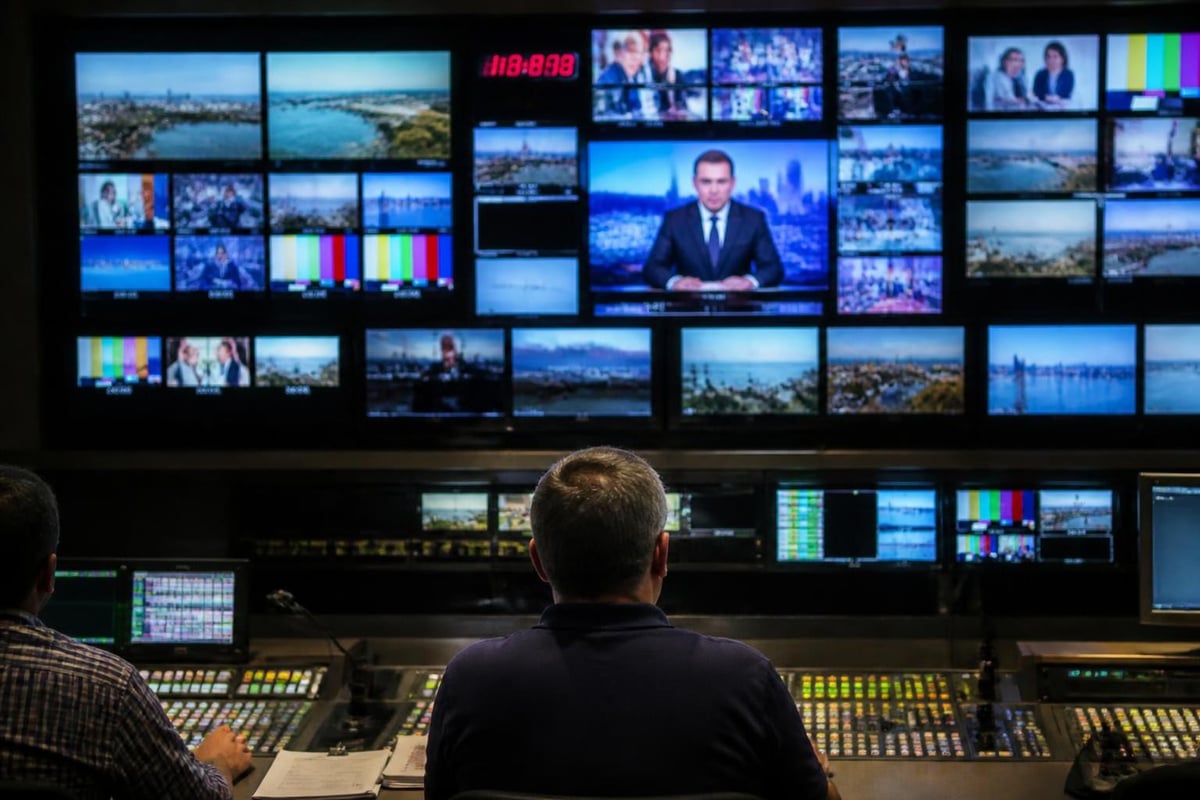
Understanding who owns TV stations and major media groups provides critical context for navigating the television landscape. The major players have consolidated significantly, creating powerful media empires that operate multiple networks and hundreds of local stations.
| Media Group | Notable Properties | Station Count |
|---|---|---|
| Nexstar Media Group | The CW, NewsNation, local affiliates | 200+ stations |
| Sinclair Broadcast Group | Local affiliates across multiple networks | 185+ stations |
| Gray Media | Local affiliates, regional coverage | 113+ stations |
| Tegna | NBC, CBS, ABC affiliates | 64+ stations |
The Nexstar Media Group operates a diversified portfolio including The CW Network, NewsNation, Antenna TV, and WGN Radio, demonstrating how modern media companies extend beyond traditional broadcasting. This consolidation creates both opportunities and challenges for experts seeking television appearances.
Strategic Implications for Authority Building
When pursuing TV appearances, understanding network ownership helps you identify multiple entry points. A relationship with one producer at a Nexstar property could potentially open doors across their entire network of stations. Similarly, content that resonates with one show’s format might translate to opportunities across sister networks.
For CEOs and authors developing authority strategies, this consolidation means fewer gatekeepers control more opportunities. Building relationships with key decision-makers at these major media groups becomes increasingly valuable as their reach extends across multiple platforms and markets.
Audience Trends and Network Performance
CBS leads the top-rated television networks of 2025 with 4.443 million viewers, despite experiencing a 12% decline from the previous year. This paradox-declining viewership alongside continued market leadership-characterizes the current state of major tv networks. While absolute numbers have decreased, relative positioning remains crucial for understanding where audiences concentrate.
The networks have responded to fragmentation by doubling down on tentpole programming that drives appointment viewing. Sports, live events, and news programming continue to deliver consistent audiences that advertisers value highly. For experts seeking television exposure, aligning your messaging with these high-performing content categories increases placement opportunities.
Demographic Considerations
Major tv networks skew toward older, more affluent demographics compared to digital platforms. The average network television viewer is 58 years old, with higher household incomes than the general population. For professionals offering premium services or targeting C-suite decision-makers, this demographic profile makes network television particularly strategic.
- Decision-makers and executives still consume network television
- Affluent households maintain cable and satellite subscriptions
- News programming attracts educated, engaged viewers
- Morning shows reach influential audiences during peak productivity hours
These demographic patterns explain why a single appearance on a major network can generate more qualified business leads than thousands of social media impressions. The audience quality often matters more than raw reach numbers.
Content Strategy Evolution
Major tv networks have evolved their programming strategies significantly to compete in the streaming era. The shift affects the types of experts and content producers seek, creating new opportunities for those who understand current trends.
News and talk programming have expanded across major tv networks, creating more opportunities for expert commentary and thought leadership. Morning shows, midday news blocks, and evening news magazines consistently need credible experts who can provide insight on breaking developments, industry trends, and specialized topics. Developing expertise in how to speak with confidence becomes essential for capitalizing on these opportunities.
Format Preferences in 2026
Network producers prioritize content that serves multiple platforms. A segment filmed for broadcast also needs to work as digital content, social media clips, and podcast material. This multi-platform approach influences how networks select and position expert guests.
Key format characteristics networks seek:
- Concise messaging that delivers value in 3-5 minute segments
- Visual demonstrations that translate well to short-form video
- Actionable insights viewers can immediately apply
- Contrarian perspectives that generate discussion and social sharing
- Timely relevance connecting expertise to current events
Experts who position their knowledge within these format preferences dramatically increase their booking potential. The ability to distill complex topics into compelling television segments differentiates authorities who regularly appear on major networks from those who struggle to secure placements.

Local Affiliates as Strategic Entry Points
While national network shows offer prestigious visibility, local affiliates of major tv networks provide more accessible entry points for building television credentials. These stations need to fill substantial daily programming hours with locally relevant content, creating consistent demand for expert guests.
Local news programs, morning shows, and community-focused segments actively seek regional experts who can provide valuable information to their audiences. A CEO serving the Chicago market might start with appearances on NBC Chicago, CBS Chicago, or ABC 7 Chicago before leveraging that experience toward national opportunities.
| Affiliate Advantage | Strategic Value |
|---|---|
| Lower competition | Easier initial booking for building credentials |
| Geographic relevance | Local expertise creates natural positioning |
| Relationship building | Producers become advocates for future opportunities |
| Repetition potential | Regular segments establish ongoing visibility |
| National pathway | Strong local performance attracts national attention |
The systematic approach involves identifying podcast development opportunities that complement television appearances, creating a multimedia authority platform that networks find attractive.
Reach Decline and Strategic Opportunity
Analysis shows that linear TV networks lost 35% of reach from 2014 to 2024, with cable networks experiencing particularly steep declines. Networks like FX and USA Network saw significant audience erosion as viewers migrated to streaming services and on-demand content.
This decline, however, creates strategic opportunities for experts and authorities. As overall viewership decreases, major tv networks face intensified pressure to deliver compelling content that retains remaining audiences. This pressure translates into increased openness to fresh expert voices and unique perspectives that can differentiate their programming.
Competitive Positioning
The fragmented media landscape means less competition for viewer attention on major tv networks compared to oversaturated digital platforms. While millions compete for visibility on social media, relatively few experts pursue systematic television placement strategies. This gap creates disproportionate opportunities for those who develop producer-ready positioning.
Networks actively search for credible experts who can:
- Provide timely commentary on developing stories
- Offer specialized knowledge that enhances segment depth
- Deliver on-camera confidence that engages viewers
- Generate follow-up interest through compelling insights
- Return for multiple appearances with consistent quality
Developing these capabilities requires understanding producer psychology and network content needs beyond surface-level media training.
Producer Relationships and Booking Systems
Success with major tv networks depends less on random pitching and more on systematic relationship building with producers and segment coordinators. Producers work under intense deadline pressure and appreciate experts who make their jobs easier through preparation, reliability, and flexibility.
A producer-ready expert demonstrates several key characteristics:
- Responds quickly to booking inquiries, often within hours
- Provides pre-interview information that streamlines segment planning
- Arrives prepared with talking points aligned to segment goals
- Delivers soundbite-worthy insights that work across platforms
- Maintains professional composure under time constraints
These operational elements matter as much as subject matter expertise when producers evaluate potential guests. The expert who combines knowledge with television proficiency earns repeat bookings and referrals across network properties.

Multi-Platform Authority Strategy
Major tv networks no longer operate solely as broadcast entities. They function as multi-platform media companies distributing content across linear television, streaming services, websites, social media, and podcasts. This expansion creates multiple touchpoints for authority building beyond the initial broadcast appearance.
Strategic leverage points:
- Broadcast segment establishes credibility and generates content
- Network website posting creates permanent, searchable reference
- Social media distribution extends reach to network followers
- Streaming availability provides on-demand access for extended periods
- Clip licensing allows repurposing for marketing materials
A single television appearance on a major network generates assets usable across your entire marketing ecosystem. The broadcast credential enhances speaker introductions, book author bios, website positioning, and client acquisition materials for years following the appearance.
For professionals who understand public speaking and its importance, television appearances represent the ultimate validation of communication expertise. The ability to deliver compelling insights under studio lights, time constraints, and producer direction demonstrates mastery that resonates with executive audiences.
Specialization and Network Alignment
Different major tv networks cultivate distinct brand identities and audience profiles. Successful authority positioning requires aligning your expertise with networks whose programming and audience match your target market.
NBC emphasizes news, sports, and prestige entertainment. CBS skews toward traditional programming with strong news divisions. ABC balances news with lifestyle and human-interest content. FOX focuses on news commentary and event programming. Understanding these distinctions helps you target placement efforts strategically.
Industry-specific experts should identify which networks most frequently cover their sectors. Financial experts might prioritize business news segments across multiple networks. Healthcare authorities could focus on morning show health segments. Technology innovators might target evening news technology correspondents.
This strategic alignment increases booking efficiency and ensures your television appearances reach audiences predisposed to value your expertise. Random media appearances across mismatched platforms dilute authority building compared to concentrated visibility within targeted network environments.
Content Preparation and Performance
The difference between mediocre and exceptional television appearances often comes down to preparation and performance discipline. Major tv networks expect guests to arrive camera-ready with compelling content structured for their specific format requirements.
Pre-appearance preparation checklist:
- Research the show format, host style, and typical segment structure
- Develop three core messages deliverable in 30-second soundbites
- Prepare specific examples, statistics, or stories illustrating each message
- Practice responses to likely questions under time pressure
- Coordinate wardrobe appropriate for studio lighting and network standards
- Arrange backup technology for remote appearances
- Confirm segment logistics, timing, and any visual materials needed
This level of preparation distinguishes authorities who become regular network contributors from one-time guests who never receive callback invitations. Networks reward professionalism with recurring opportunities and expanded visibility.
For executives who feel public speaking is not my forte, systematic preparation and producer-aligned positioning overcome natural hesitation. Television performance is a learnable skill set, not an innate talent.
Building Long-Term Network Relationships
Single television appearances provide temporary visibility. Systematic relationship building with major tv networks creates sustainable authority platforms that compound over time. The goal extends beyond individual bookings to becoming a go-to expert producers contact when stories break in your domain.
Long-term network relationships develop through:
- Consistent delivery quality that exceeds producer expectations
- Availability and responsiveness when urgent opportunities arise
- Expanding expertise into adjacent topics that increase booking opportunities
- Maintaining contact between appearances through value-added communication
- Referring other quality experts when you’re unavailable, building goodwill
These relationship-building practices transform transactional media appearances into strategic partnerships where networks actively promote your expertise because it enhances their content quality and audience value.
Integration with Comprehensive Authority Strategy
Television appearances on major tv networks function most effectively as components of comprehensive authority strategies rather than isolated tactics. The credibility and visibility networks provide amplify impact when integrated with publishing, speaking, podcasting, and digital content.
Private consulting services that help executives develop these integrated strategies recognize that different media channels serve distinct strategic purposes. Television establishes mainstream credibility. Books demonstrate depth of knowledge. Podcasts build audience intimacy. Speaking engagements enable direct relationship development.
The synergies between these channels create multiplicative rather than merely additive authority building. A book author who appears on television discussing their subject matter generates more book sales and speaking opportunities. A CEO who combines network appearances with thought leadership content attracts higher-quality clients and partnership opportunities.
Measuring Television Impact
Quantifying the return on investment from major tv network appearances requires understanding both direct and indirect impact metrics. Direct metrics include viewership numbers, website traffic spikes, and immediate inquiry volume. Indirect metrics encompass long-term credibility enhancement, relationship development, and authority positioning.
Direct impact indicators:
- Audience size and demographic composition for specific appearances
- Website analytics showing traffic sources from network domains
- Social media engagement metrics for appearance-related posts
- Direct inquiries attributable to television exposure
- Media coverage citing your network appearances
Indirect impact indicators:
- Ease of securing subsequent media opportunities
- Quality of inbound business inquiries over time
- Speaking fee increases justified by media credentials
- Partnership opportunities from enhanced positioning
- Client conversion rates influenced by credibility markers
The indirect impacts often exceed direct results, particularly for premium service providers where single client relationships generate substantial lifetime value. A television appearance that attracts one ideal client can justify years of placement effort.
Major tv networks remain powerful platforms for establishing credibility and building recognized authority despite evolving media consumption patterns. Understanding network operations, producer needs, and strategic positioning enables CEOs and experts to leverage these platforms effectively.
If you’re ready to systematically build your authority through guaranteed television placements and strategic media visibility, Mitch Carson specializes in helping executives and authors become unignorable experts through producer-ready positioning and the BookedForTV™ Guaranteed Placement System. As host of Amazing Authorities on NBC Las Vegas and author of Booked For TV™, Mitch provides the frameworks, systems, and insider producer psychology that transform industry expertise into mainstream media presence and market-leading authority.